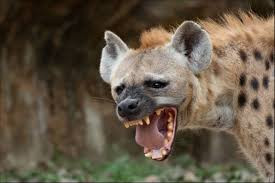
IN the once peaceful Takarindwa, Mutombwa, Rwambiwa and Kereke villages in Gutu and Bikita, Masvingo province, chilling howls now echo through the early evenings — the unmistakable sound of a clan of hyenas descending from the mountains.
Once elusive and confined to the wild, these predators have now become a terrifying reality for farmers, prowling villages and preying on their most valuable assets: cattle, goats, donkeys and sheep, sometimes even dogs.
What used to be rare sightings have turned into frequent night-time raids, leaving livestock carcasses strewn across kraals and grazing lands.
For villagers, these animals are more than just livestock — they are the bank accounts of the rural economy, representing savings, income and survival.
Now, the very foundation of rural livelihoods in Gutu and Bikita is under siege — not from economic collapse, but from a rising tide of climate-driven human-wildlife conflict.
Such is the danger experienced by villagers who are exposed on a daily basis, where the hyenas whoop even before sunset.
“Everyday, our lives and those of our livestock are at risk of being mauled by hyenas which are wreaking havoc in our villages,” said Tafadzwa Mavicho (43) from Takarindwa village.
“As early as 5pm before sunset, we hear them giggling, especially from Gato Mountain and the surrounding areas in Chadyemwana.
“Our lives are in danger, we have adjusted the time to round up our livestock and take them closer to our homes to as early as 3pm.”
He added: “Our neighbour’s goats were eaten by hyenas last month. That’s very sad.
“Walking alone at night is a hazard as you risk being attacked because they move in clans.
“They have gone to the extent of even invading villagers’ homesteads and eating dogs.”
Said village head Kennias Rwambiwa: “Hyenas have now become a thorn in the flesh of my subjects because many of them have lost goats, sheep and cattle.
“These hyenas mostly operate at the boundary of Gutu East and Bikita East districts.
“We appeal to those in charge of wildlife to find a lasting solution to this matter.”
Due to the challenge caused by hyenas, traditional leader, Chief Masasire (born Celestine Kereke), this week assembled his subjects (village heads) in Bikita to map the way forward after they made an effort to report to Zimbabwe Parks and Wildlife Management Authority (ZimParks) in Masvingo and they got no help from the organisation.
“Hyenas have become a menace in my area. To be precise two weeks ago a widow’s seven goats were killed and eaten by a clan of hyenas and she could not do anything to stop them.
“These hyenas operate from Gato, Rutonhora and Zinginda mountains in Gutu. They then cross Dewure River in Bikita into mountains such as Gangare, Chinyamutakura and Rusoswe going as far as Silveira and Nyika growth point. They are wreaking havoc and farmers are losing their livestock,” Chief Masasire said.
He added: “I recently went to ZimParks offices in Masvingo to seek help and saw one official [name withheld]. They said they had no fuel to come and assist us. I have since decided with my village heads to contribute money for fuel so that they can come and assist us.
“On a daily basis, especially in the morning, we see hyena spoors including those of their cubs. You can see that in the near future our livestock will be in great danger because they are multiplying.
“What is now scaring is that the villagers’ lives are also at risk because they have built huts to protect their livestock, thereby starving the hyenas. I have urged all the people to be indoors before dusk because they may be mauled.”
Experts, however, link the growing boldness and population of hyenas to climate change and environmental shifts.
As habitats shrink, water sources vanish and food becomes scarce in the wild, the predators are being forced closer to human settlements, where unprotected livestock is easy targets.
A climate change and environmental specialist from the University of Zimbabwe, Achieford Mhondera, said: “Climate change is actively reshaping ecosystems and dynamics between humans and wildlife.
“Rising temperatures and erratic rainfall patterns are leading to habitant degradation and decline in natural prey for hyenas such as smaller ungulates or animals.
“This scarcity pushes these intelligent and adaptable predators to seek alternative food sources, often leading them closer to human settlements to scavenge or hunt livestock.”
Contacted for a comment, ZimParks director-general Edison Gandiwa referred NewsDay to the organisation’s public relations manager Tinashe Farawo, who, however, had not responded to the questions sent to him last Thursday.
On Tuesday this week, when this publication checked with him, he curtly responded: “I’m on it.”
The rising cases of hyenas attacking livestock in rural communities stand as a harsh reminder of how deeply climate and environmental changes are reshaping rural life.
As natural prey becomes scarce and habitats shrink, these predators have turned to invading villages, turning once-peaceful nights into scenes of fear and loss.
For many villagers, livestock is not just property — it is survival, school fees and dignity.
If no urgent action is taken to address habitat loss, promote co-existence and protect rural livelihoods, the balance between humans and wildlife will continue to crumble.
Climate change is no longer a distant threat — it is now devouring livestock in kraals in the dark.