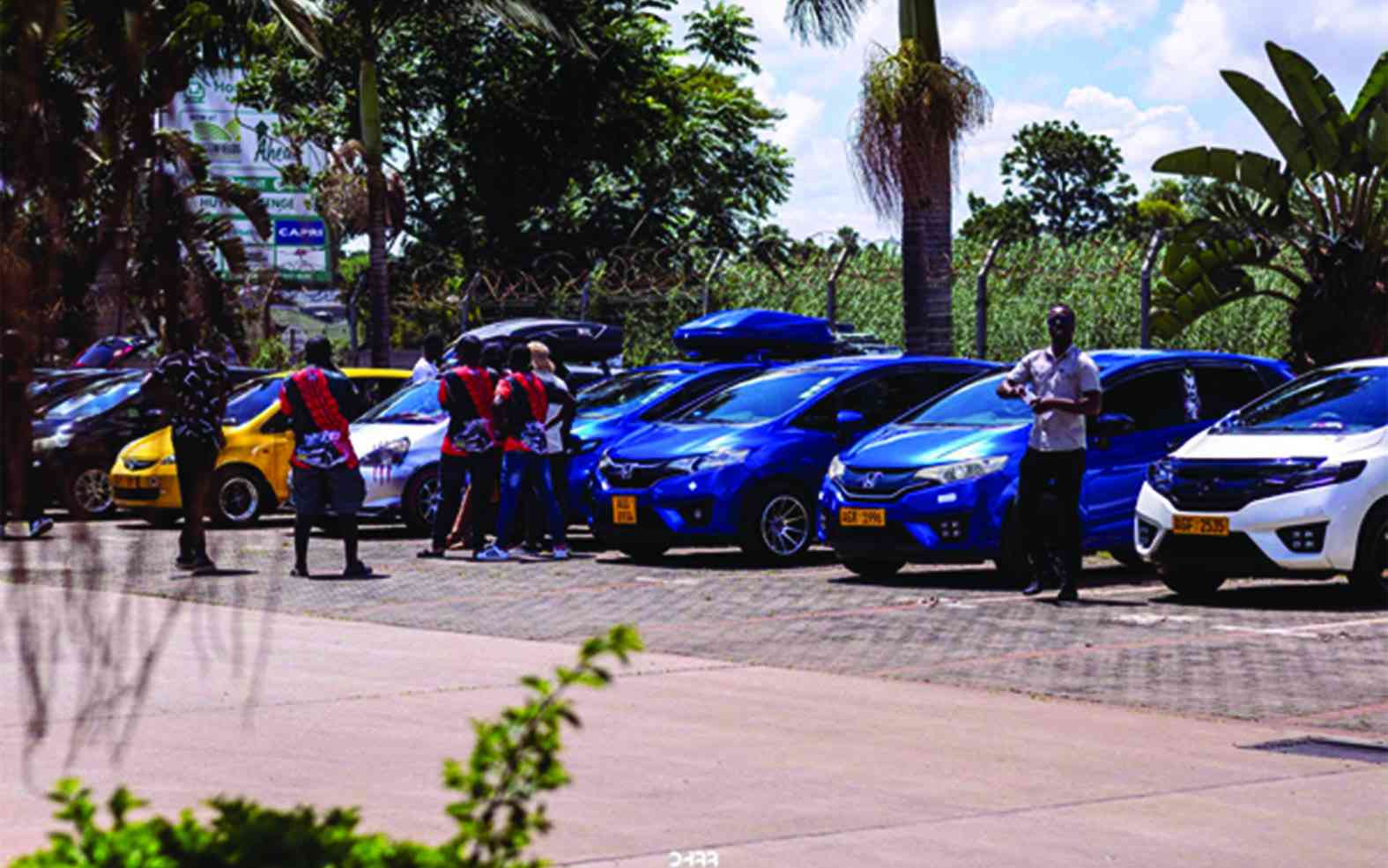
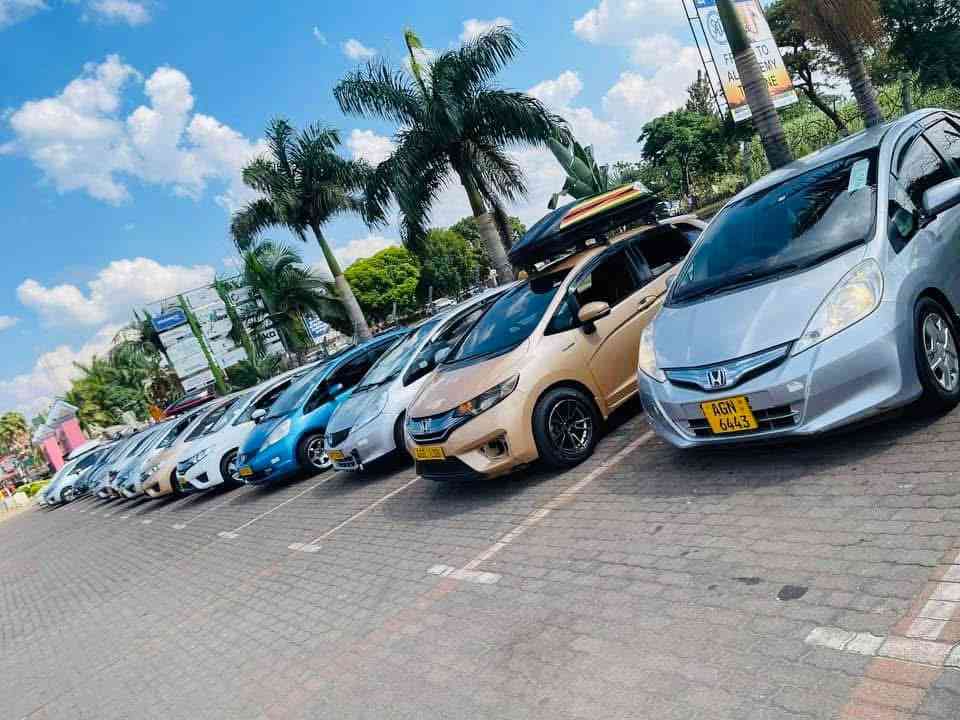
IN Zimbabwe, there is a belief that if you stand on a busy street corner in Harare or Bulawayo and other towns, you will see a fleet of silver, black and white fuel-efficient cars.
Most of them are either Honda Fit or the Toyota Aqua.
Even though there is no big board in the city showing exactly how many of these cars come into the country every day, most people believe these are the best cars to own.
For many Zimbabweans, the Honda Fit is like a champion. People love it because they are dependable, long-lasting and durable vehicles, according to some Honda Fit owners.
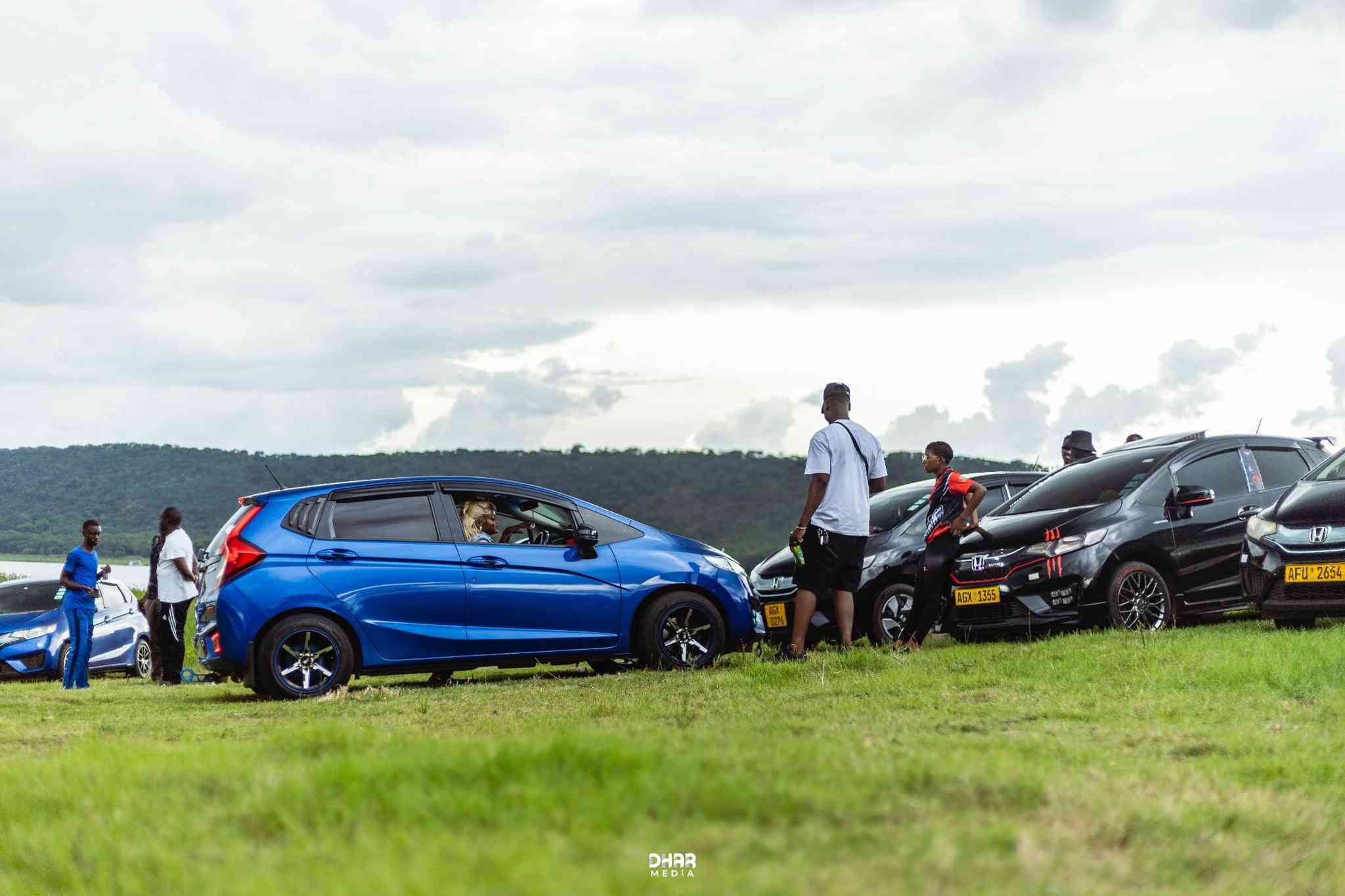
For the love of the brand, the Honda Fit owners formed an association called Team Honda Fit Zimbabwe, an active car enthusiast community focused on modified, customised and maintained Honda Fits.
Many people use them as pirate taxis (mushikashika) because they can squeeze into tight spaces and for their fuel efficiency.
“I have been using my Honda Fit GD1 since 2020. Yakasimba baba (it’s a strong and durable car) and I love it,” says a mushikashika driver Takunda Fuyane.
Rejoice Kosa, who recently imported a Honda Fit GP5 Hybrid to use it for InDrive, confidently told NewsDay Weekender that the hybrid car “sips” petrol like a small juice box instead of gulping it down like a big truck.
- Couple loses US$32 K to machete gang
- Couple loses US$32 K to machete gang
- Building home-grown African financial systems
- Bodies rot at mortuaries as power cuts worsen
Keep Reading
“For just US$20 petrol, I can accept InDrive ride requests that can give me at least US$60 per day. Honda Fit is the best car for Zimbabweans and I believe its durable. I can go for five years without problems with this car,” Kosa added while nodding her head.
On the contrary, Engineer Clement Shonhiwa from the University of Zimbabwe’s Faculty of Engineering and the Built Environment, Department of Mechanical Engineering highlighted that the belief that a Honda Fit is more durable than other small passenger vehicles is not scientifically proven.
He was, however, quick to admit that the Honda Fit is highly fuel-efficient and outperforms other models, as evidenced by the large volume of these vehicles in Zimbabwe.
“Due to continuously variable transmission gear box (CVT), the Honda Fit has relatively high fuel efficiency of up to 18km/L,” Shonhiwa said.
“The latest Honda Fit Hybrid vehicles, which also have CVT gear box, has more fuel efficient going up to 27km/L.
“The shape of a vehicle helps improve the fuel efficiency of the car due to reduction of drag forces.”
He added: “The shift from traditional combustion-based transportation to electric vehicles has brought about notable changes in vehicle design, particularly in terms of aerodynamics.
“However, the transition to electric vehicles also brings new concerns.”
The Honda Fit model was introduced in Japan on June 21, 2001 and has been a massive success in most parts of the world, but one region it has not been to was North America, according to the Auto Blog.
NewsDay Weekender went on a survey around car sales in Bulawayo and Harare to observe, while speaking to car dealers.
Thabo Khumalo, who has been in car dealership for years and operates from a car sale located between 12 and 13 Street in Bulawayo, said the main issue is that most Zimbabweans believe the engine type in a Honda Fit GD1 is similar to the new generation of the same brand.
However, Khumalo admitted that Honda Fit remains on demand more than other small vehicles within the Zimbabwean market.
Another car dealer, Luke Masasa, who buys and sells cars along Samora Machel Avenue in Harare, said: “Honestly, I have been in this business for years and from my experience, Zimbabweans love the Honda Fit car, but their reasons are not justified.
“They believe that a Honda Fit is stronger than any other small car, but I have owned a number of fuel economy cars like Mazda Demio, Nissan Note and Toyota Vitz.
“What I have observed is that it’s the way you take care of your car regardless of the brand. These cars are more or less the same.”
Amidhu Stambuli, the founder of Alfa Sierra Logistics and Procurement, who has specialised in helping Zimbabweans import used cars from Japan since 2007, told NewsDay Weekender in an interview that Japan has a cycle for releasing certain cars to the market.
He noted that if Zimbabweans notice that people are buying a specific model, they follow suit, not necessarily because the cars are durable, but because they prioritise fuel efficiency.
“The time Honda Fit released the GD1 model, people were buying them because of fuel efficiency,” he said.
“Some people have faced problems with Honda GD1 gear box, but they still believe it’s a strong and reliable car.
“I would say, people were buying this car because of fuel efficiency. The good GD1 can go for 30km per litre. I have imported a lot of cars and I advise my clients before they buy, especially the new models of Honda Fit hybrid.
“So basically, what I have observed is that Zimbabweans are more concerned about fuel consumption than anything when buying cars.”
NewsDay Weekender reached out to the Zimbabwe Revenue Authority (Zimra) requesting data on the year-on-year volume of imported light passenger motor vehicles for the period 2021 to 2025.
However, Zimra corporate affairs executive, Gladman Njanji stated that while Zimra records motor vehicle imports using internationally recognised customs tariff classifications (HS codes) and supporting transactional data, this information is protected.
Under Zimbabwe’s revenue legislation, such data is subject to statutory confidentiality provisions that safeguard taxpayer and importer information.
Even though there is no specified data from government saying the “Honda Fit is the most imported light passenger vehicle in Zimbabwe”, one can tell it is the favourite just by looking around.
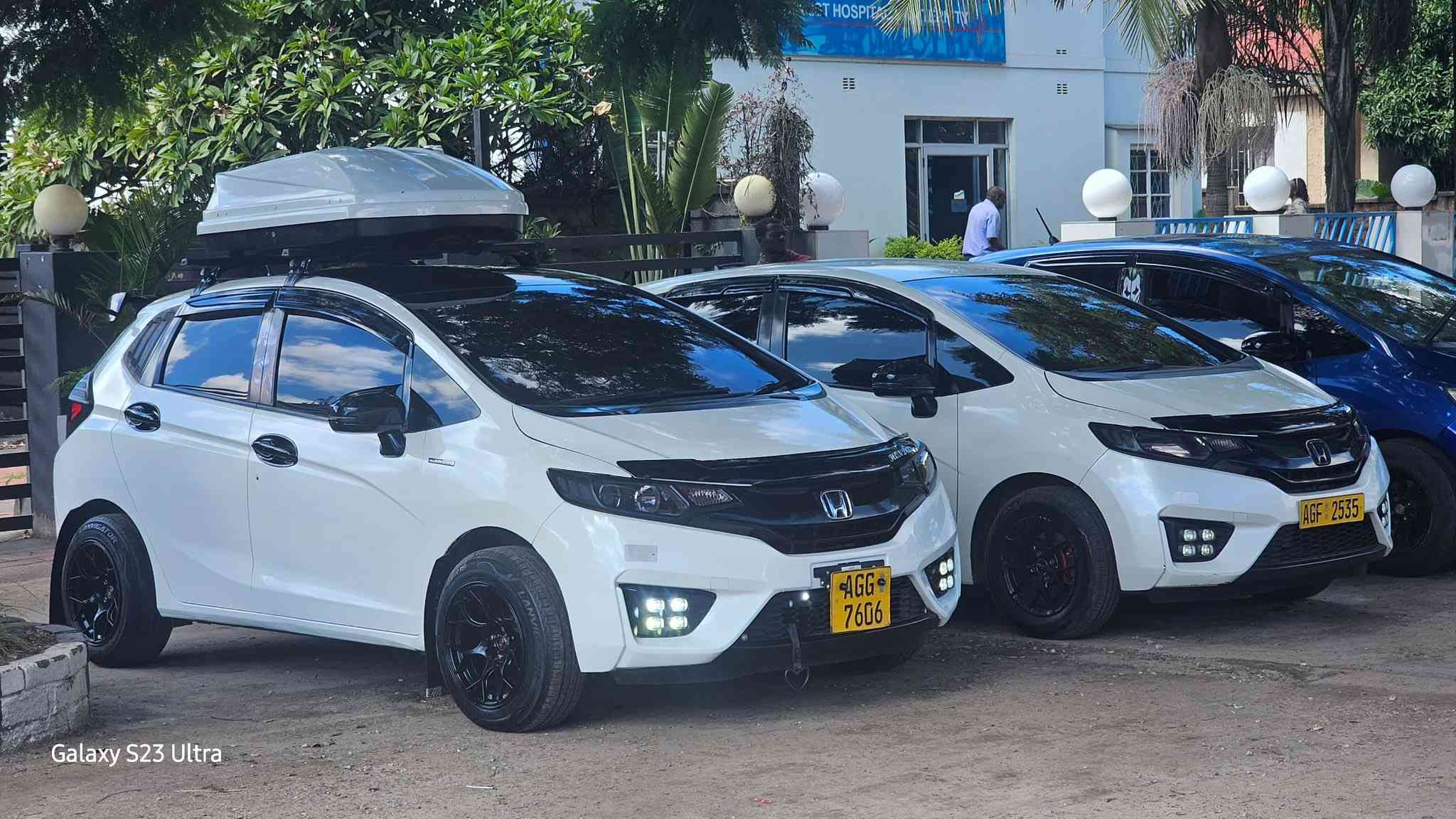
For many Zimbabweans, the Fit models are not just cars, they are like a trusted pair of shoes that get you where you need to go without costing too much money, and that is why they remain on demand.