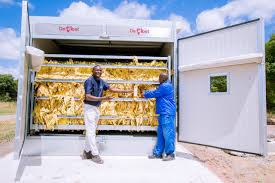
TOBACCO growers have been urged to transition to the newly developed Gunny Barn, presenting it as a sustainable and energy-efficient curing solution that addresses the persistent quality challenges linked to adverse weather and temporary structures.
In a statement, Kutsaga Research Station said the Gunny Barn, developed in collaboration with industry partners, is central to efforts to modernise tobacco curing systems.
The intervention comes in response to ongoing difficulties caused by prolonged rainfall, which has led to field losses and compromised leaf quality through inadequate curing.
While the Plastic Sheet Barn was previously introduced as an emergency measure, Kutsaga emphasised that it was never intended as a permanent solution.
Agricultural engineer Owen Mudadisi explained that the Gunny Barn represents a significant upgrade in curing infrastructure.
“The Gunny Barn offers a more durable, sustainable alternative that aligns with the Tobacco Value Chain Transformation Plan’s mandate to grow a larger crop in an environmentally responsible way, using energy-efficient curing systems,” he said.
Mudadisi indicated that preliminary trials have shown that the Gunny Barn produces a consistently higher quality cured leaf.
Its construction is faster and more cost-effective than traditional methods, and it offers greater operational flexibility, including the ability to be fired efficiently using wood, coal or a combination of both.
- Mlalazi chronicles his rags-to-riches story
- Mlalazi returns to roots with a free concert
- MP ropes in church in anti-drug fight
- TSL profits slow as costs escalate
Keep Reading
Agricultural engineer Tatenda Magushu cautioned against continued reliance on temporary plastic structures, warning of both economic and environmental risks.
“The Plastic Sheet Barn is effective as a short-term emergency solution, but it is typically suitable for a single season,” he said.
“Continued dependence on temporary plastic infrastructure may threaten growers’ incomes and poses environmental concerns.”
Magushu said by adopting this low-cost, energy-efficient technology, growers can safeguard tobacco quality, reduce long-term curing costs, and support the overall sustainability of the tobacco value chain.