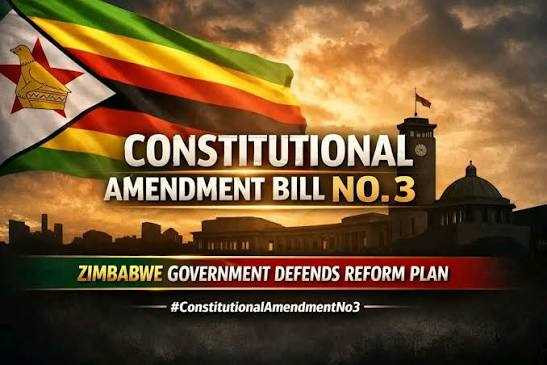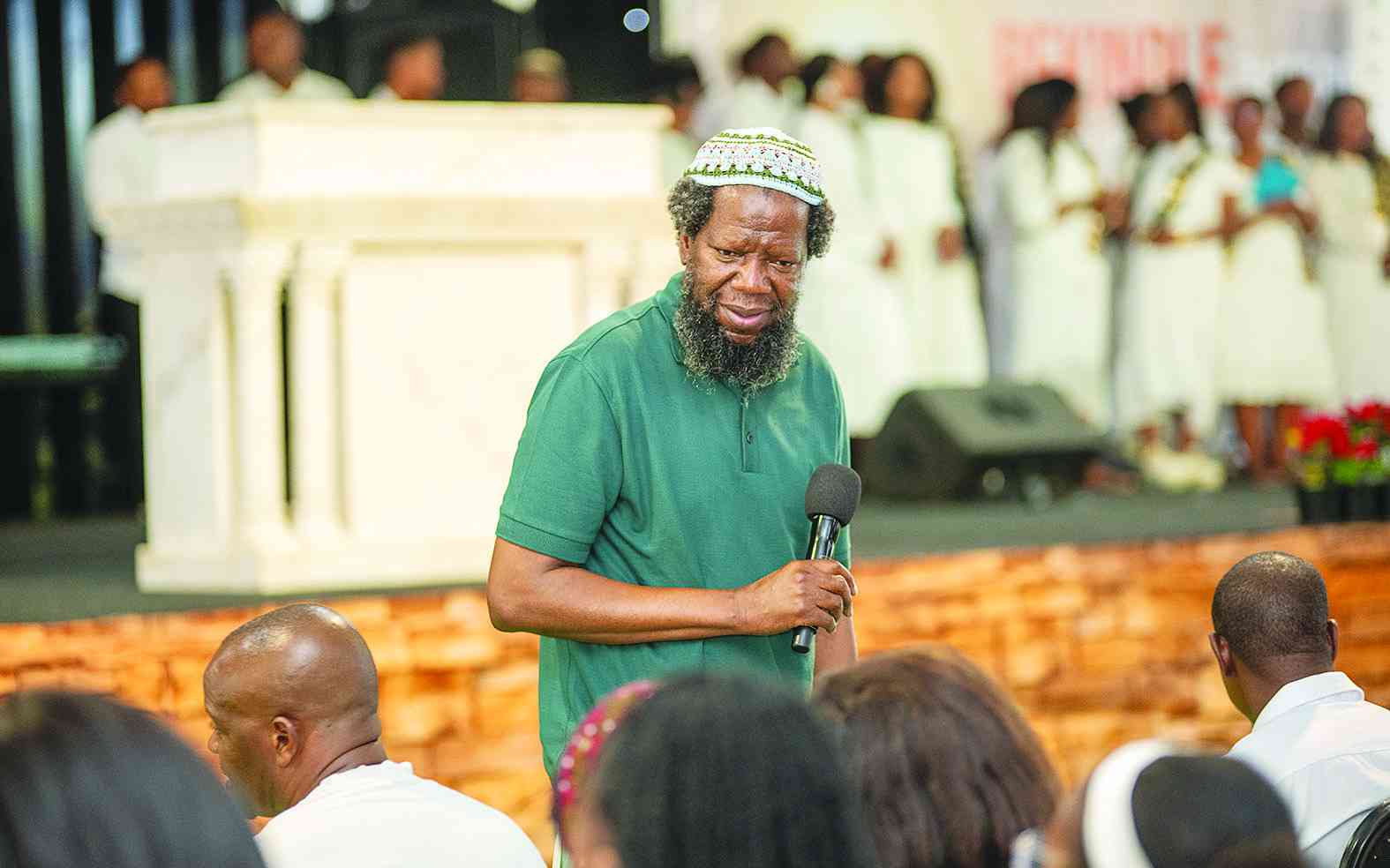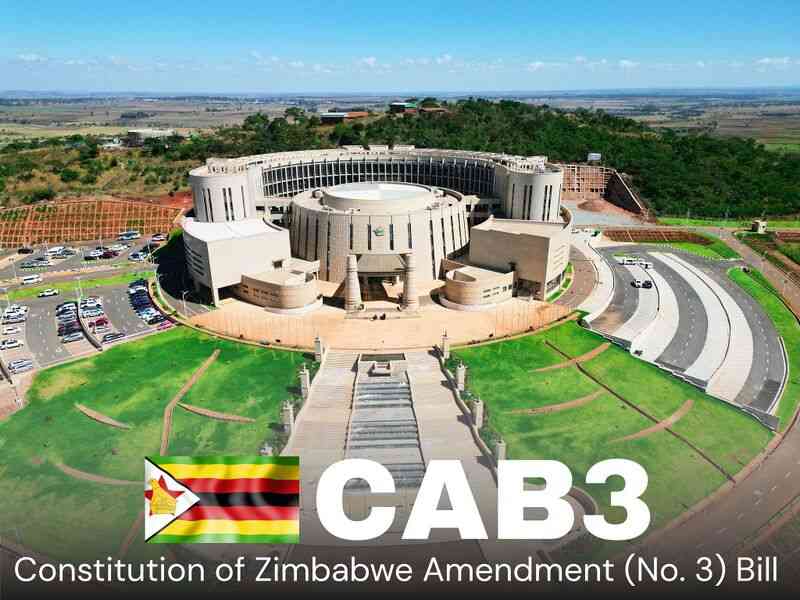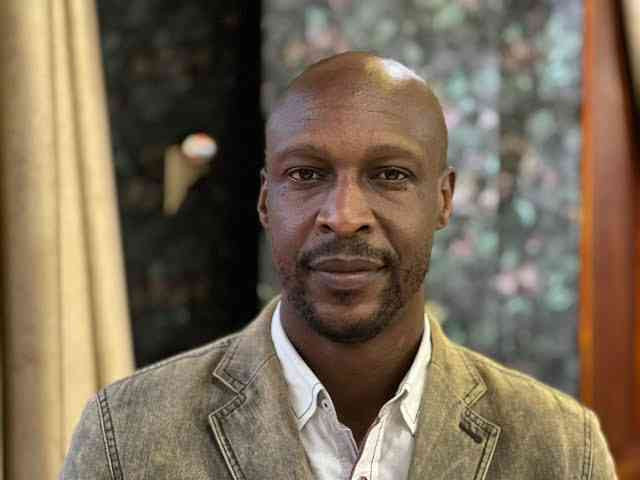
SELF-IMPOSED Citizens Coalition for Change interim secretary-general Sengezo Tshabangu may have spilled the beans when he revealed plans for a political arrangement with Zanu PF that could see elections suspended until 2035 under a proposed government of national unity.
What he said gave credence to what many fear, but few have articulated so bluntly: that Zimbabwe’s electoral cycle could be under threat.
His remarks have ignited debate across the political spectrum, raising a fundamental question: Is the country drifting away from its constitutional commitment to regular, credible elections?
While such claims must be treated with caution, they cannot simply be dismissed, especially in a climate where trust in institutions is fragile.
There is a growing perception among sections of the public that Zanu PF is reluctant to subject itself to the uncertainty of the ballot box.
Critics argue that recent political manoeuvres and legislative changes point to a desire to consolidate power rather than open it up to electoral contestation.
Whether this perception is entirely accurate or not, it reflects a deepening crisis of confidence in the country’s democratic processes.
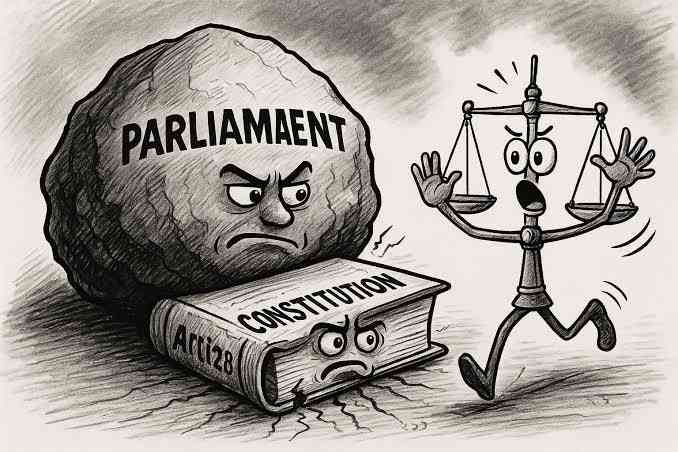
At the centre of this debate lies the Constitution — the supreme law that governs Zimbabwe.
- Chamisa party defiant after ban
- Village Rhapsody: How Zimbabwe can improve governance
- News in depth: Partisan police force persecutes opposition, shields Zanu PF rogue elements
- Chamisa chilling death threat bishop defiant
Keep Reading
It is meant to provide clear guidelines on elections, term limits and transfer of power.
Any hint that it is being manipulated, amended or selectively applied for political convenience raises alarm.
Constitutionalism is not merely about having laws on paper; it is about respecting both their letter and spirit.
Zimbabwe’s liberation struggle was fought on the promise of political freedom and representation.
The 1980 independence delivered the principle of one person, one vote — a cornerstone of democracy that generations had sacrificed for.
That principle ensured that every Zimbabwean, regardless of status, had a say in shaping the country’s future.
Since then, elections have been held consistently at constitutionally prescribed intervals.
Admittedly, many of the elections have been marred by violence, intimidation and allegations of irregularities.
Yet, despite these flaws, the electoral calendar itself remained intact.
Citizens could at least rely on the certainty that they will have an opportunity to choose their leaders.
What is now at stake is far more profound.
It is not just about whether elections will be free and fair, but whether they will be held in a meaningful, predictable and constitutionally compliant manner.
Any move to delay, suspend or fundamentally alter this cycle will signal a dangerous shift away from democratic norms.
Power, by its nature, tends to entrench itself if left unchecked.
This is precisely why democratic systems are built on regular elections — to ensure accountability and renewal.
When decisions about elections begin to rest in the hands of a few individuals or political actors, the risk of abuse becomes significantly higher.
Zimbabweans cannot afford to be passive observers in this moment.
The defence of democracy requires vigilance from citizens, civic organisations, the Judiciary and all institutions tasked with upholding the rule of law.
Silence or complacency can allow incremental changes that, over time, erode fundamental rights.
At the same time, it is important to avoid alarmism that is not grounded in verifiable developments.
Strong democracies depend not only on criticism, but on credible evidence and reasoned argument.
Raising concerns about the electoral process should go hand-in-hand with demanding transparency, clarity and adherence to constitutional provisions.
The international community will undoubtedly take interest in Zimbabwe’s trajectory, but the responsibility for safeguarding democratic principles ultimately lies within the country itself.
External pressure can only go so far; lasting change must be driven internally.
Tshabangu’s remarks, whether one agrees with them or not, have opened a necessary conversation.
They force Zimbabweans to confront uncomfortable questions about the state of their democracy and the direction it is taking.
If the integrity of the electoral cycle is compromised, the consequences will extend beyond politics.
It would weaken public trust, undermine governance and cast doubt on the legitimacy of leadership.
A nation which does not hold regular credible elections risks losing not only its democratic character, but also the confidence of its citizens.
Zimbabwe’s future depends on preserving the right to vote and ensuring that elections remain transparent and meaningful.
That is not a favour granted by those in power — it is a constitutional obligation that must be upheld without exception.