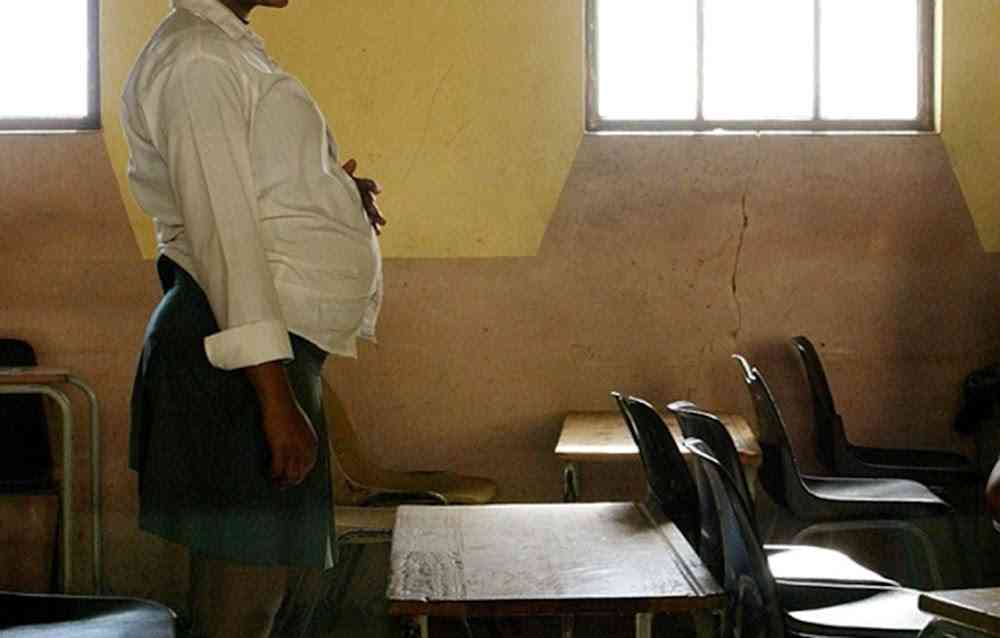
THE revelation that more than 10 000 girls dropped out of school between 2023 and 2025 due to pregnancy and child marriage makes for deeply troubling reading.
These are not just numbers in a report. They represent 10 000 interrupted dreams, 10 000 futures placed at risk and 10 000 young Zimbabweans denied the opportunities that education provides.
More importantly, these figures expose a national failure to adequately protect girls from exploitation, abuse and circumstances that continue to force them out of the classroom.
The question that must be asked is simple: Are the authorities saying they cannot stop this?
For years, Zimbabwe has spoken out against child marriage and enacted laws designed to protect children. The Constitution prohibits child marriage, while the Education Act and Primary and Secondary Education ministry policies allow pregnant learners and young mothers to remain in or return to school.
On paper, the framework exists. In practice, however, thousands of girls continue to disappear from the education system every year.
The gap between policy and implementation is where this crisis thrives.
Particularly disturbing are recurring reports of girls being married off while still underage, often within some apostolic sects and isolated rural communities. Such practices continue despite court rulings, legislation and sustained public awareness campaigns.
- ED’s influence will take generations to erase
- ‘Govt spineless on wetland land barons’
- Govt under attack over banks lending ban
- Zim Constitution must be amended
Keep Reading
Where are the consequences for those responsible?
A child cannot consent to marriage. Adults who facilitate, encourage or benefit from such unions must be held accountable. Yet too often, cases go unreported, investigations stall and perpetrators escape justice.
Pregnancy and child marriage are rarely isolated events. They are symptoms of broader challenges, including poverty, weak child protection systems, gender inequality and limited access to sexual and reproductive health information and services.
Stigma further compounds the problem. Many girls who fall pregnant are made to feel that their education is over, despite policies that guarantee them a second chance. Some face discrimination from communities, schools, and even families, making reintegration difficult.
The fact that most of the recorded cases are concentrated in rural areas should concern policymakers. It highlights persistent inequalities in access to information, support services and enforcement mechanisms.
Zimbabwe cannot afford to treat this as merely an education issue. It is a social, economic, health and justice challenge that requires a coordinated national response.
What is needed now is not another round of expressions of concern. The country requires stronger enforcement of child protection laws, more effective community engagement, improved support systems for vulnerable girls and genuine implementation of school re-entry policies.
Schools must remain places of opportunity, not judgement. Communities must become guardians of children's rights, not enablers of harmful practices.
Above all, Zimbabwe must stop normalising the loss of thousands of girls from the education system every year.
A nation that cannot protect its girls has failed in one of its most fundamental responsibilities.
The true measure of a country’s commitment to development is not found in policy documents or public statements, but in whether every child — especially the most vulnerable — is given a fair chance to learn, grow and realise their potential.
Until that happens, these dropout statistics will stand as a bitter reminder of a nation still letting down its girls.