THE Zanu PF administration never seems to run out of tactics, particularly when it finds itself under pressure.
When political heat rises, something else suddenly takes centre stage.
This week, it was fuel.
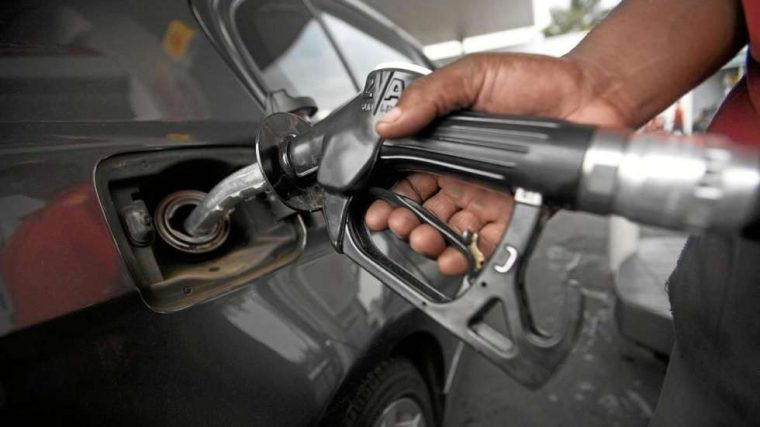
On Wednesday, the Zimbabwe Energy Regulatory Authority (Zera) hiked petrol prices from US$1,71 to US$2,17 and diesel from US$1,77 to US$2,05 — a steep increase delivered with the usual bureaucratic language about “security of supply” and “market stability”.
Authorities were quick to assure the nation that there are adequate fuel stocks, that alternative supply routes are being opened and that government intervention has supposedly kept diesel prices lower than they could have been.
But beneath the technical jargon lies a familiar pattern.
At a moment when public scrutiny is intensifying around Constitutional Amendment No 3 — the centrepiece of the controversial agenda to keep President Emmerson Mnangagwa in power until 2030 — the national conversation is abruptly redirected toward fuel prices, supply chains and global oil markets.
It is a convenient shift.
- Mr President, you missed the opportunity to be the veritable voice of conscience
- ED to commission new-look border post
- Zanu PF ready for congress
- Zanu PF ready for congress
Keep Reading
Instead of debating constitutional principles, citizens are forced to worry about how they will afford transport to work.
Instead of interrogating governance, they are calculating fuel costs and fare increases.
That is how distraction works.
This is not to suggest that fuel pricing is unimportant — far from it.
It affects every Zimbabwean.
But the timing of this increase raises legitimate questions about whether economic shocks are being used, intentionally or otherwise, to crowd out political accountability.
Because while fuel prices dominate headlines, the so-called “monster” — Constitutional Amendment No 3 — continues to move quietly through the system.
That is where the real stakes lie.
The Bill has been widely criticised for attempting to reconfigure the balance of political power in ways that could benefit the incumbent leadership.
Critics argue it undermines constitutional safeguards, weakens democratic processes and concentrates authority in the hands of a few.
Yet instead of engaging openly with these concerns, the environment becomes saturated with economic crises that demand immediate attention.
Zimbabweans are left firefighting — reacting rather than reflecting.
Meanwhile, the structural issues remain untouched.
Even within the fuel sector itself, the government avoids addressing the core problem: the cost structure.
Zimbabwe’s fuel prices remain among the highest in the region, not solely because of global market pressures, but because of layers of taxes, levies and inefficiencies embedded in the system.
That reality is rarely confronted directly.
Instead, the narrative is framed around external shocks and government “intervention”, creating the impression that authorities are shielding citizens when, in fact, policy choices are part of the burden.
There is also growing public perception — whether acknowledged or not — that politically connected individuals benefit disproportionately from the fuel sector.
When those linked to power are seen to dominate service station ownership, price increases begin to look less like necessity and more like opportunity.
That perception fuels public anger.
But even as citizens grapple with rising transport costs and shrinking incomes, one thing must remain clear: economic hardship should not be allowed to obscure constitutional debate.
Zimbabweans cannot afford to lose focus.
The Constitution is the foundation of the state.
Any attempt to alter it — particularly in ways that affect political power — demands full public attention, scrutiny and participation.
It cannot be quietly adjusted while the nation is preoccupied with survival.
The government must fix the fuel sector by addressing taxes, improving efficiency and ensuring fair pricing.
But at the same time, citizens must keep their eyes firmly on the bigger picture.
Fuel hikes come and go, yet constitutional changes endure.
And if those changes are made without proper scrutiny, the consequences will outlast any temporary economic crisis.
Zimbabwe must not be distracted.