THE Reserve Bank of Zimbabwe (RBZ)’s latest quarterly snapshot offers something the business community has been missing for a long time: a sense of calm.
Inflation has slowed sharply, the exchange rate has steadied, and monetary policy appears more disciplined than in recent years. For companies that have had to plan in an environment of constant uncertainty, this is welcome news.
Still, stability remains fragile and should not yet be taken for granted. The most striking improvement is inflation. After reaching very high levels earlier last year, price increases have come down significantly.
Month-on-month inflation has stayed low for several months, which is especially important for business. Stable prices make it easier to set budgets, negotiate contracts, and plan investment. This suggests recent policy measures are having the desired effect, at least in the short term.
Exchange rate stability has also helped. The gap between the official and parallel market rates has narrowed, reducing confusion and price distortions. For traders and manufacturers, this has eased day-to-day operations.
However, much of this stability has been supported by tight controls and central bank intervention. The key question for business is whether the market can remain stable without heavy management. True confidence will come only when stability is maintained naturally over time.
Another positive sign is stronger coordination between fiscal and monetary authorities. The reported absence of central bank financing of government spending is an important step. In the past, excessive money creation undermined confidence and fuelled inflation. Maintaining this discipline is essential if current gains are to last.
That said, the report also highlights ongoing weaknesses. Foreign currency reserves have improved but remain low by international standards. With import cover still limited, the economy remains exposed to external shocks such as commodity price changes or drought. This is a risk businesses cannot ignore.
- ‘Inflation could shoot to 700% by April next year’
- New perspectives: Inflation control critical for economic growth
- Inflation spike: Why interest rates aren’t the answer
- Village Rhapsody: Govt must ensure that devolution works
Keep Reading
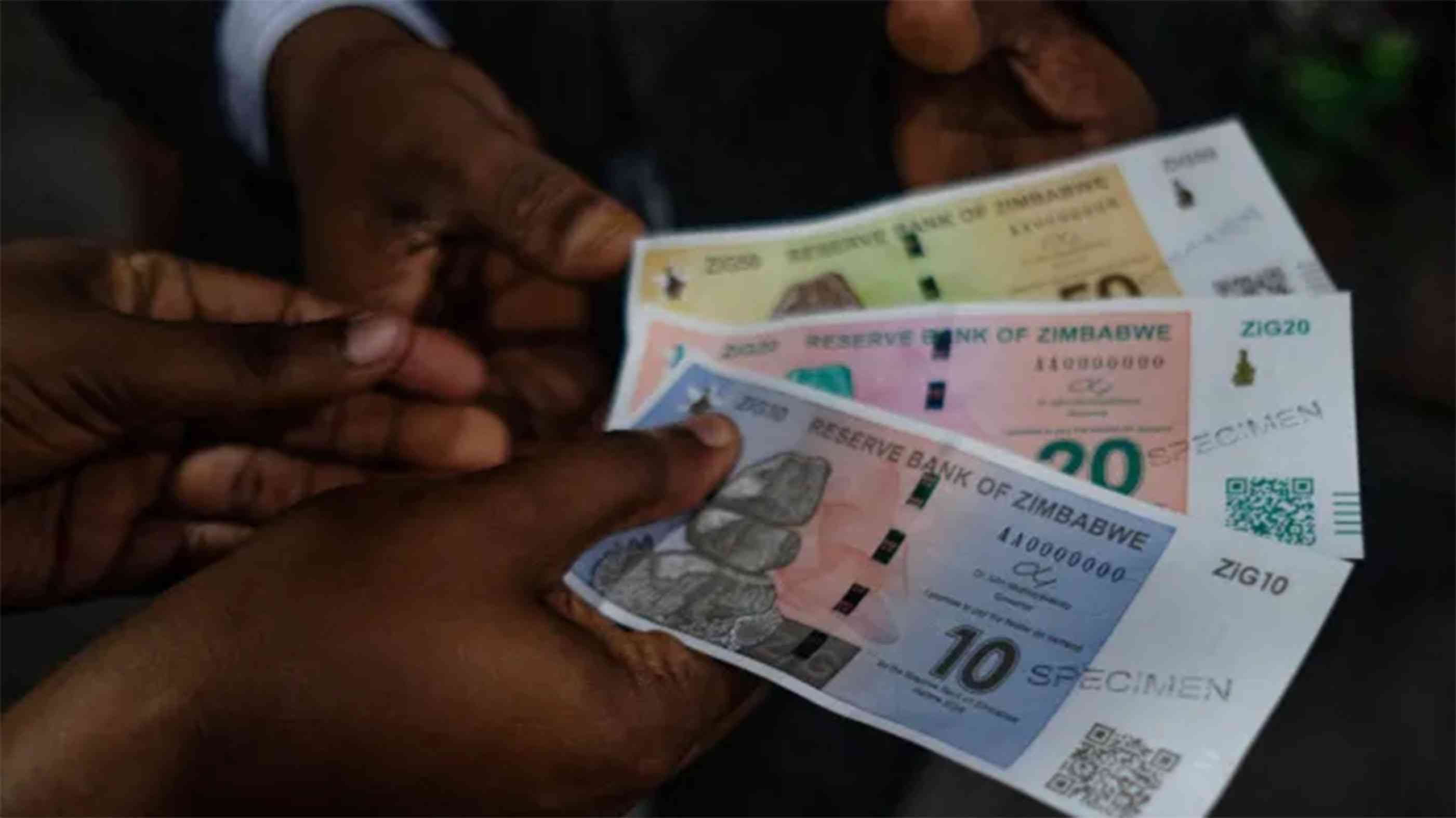
There is also the issue of currency trust. While transactions in ZiG have increased, more than 70% of transactions are still settled in US dollars. This makes dedollarisation possible, but far from guaranteed. Businesses use the US dollar because it is stable, widely accepted, and reliable for pricing and saving. As long as it performs these functions better than the local currency, its dominance will continue.
The RBZ’s snapshot suggests a cautious, phased approach to dedollarisation rather than forced change. This is sensible. Zimbabwe is more likely to reduce reliance on the dollar gradually than eliminate it outright. For the local currency to take centre stage, inflation must remain low, reserves must strengthen, and policy discipline must be sustained over time. Only then will businesses shift voluntarily, turning today’s calm into lasting confidence.
Overall, the snapshot paints a cautiously positive picture. Progress has been made, but the foundations are still being laid. For business, conditions are improving, but prudence remains necessary. The challenge now is to turn short-term stability into lasting confidence.