IN the opening four days of July 2026, the world marked two landmark anniversaries that offer a sober, side-by-side study of competing models of global statecraft—one with profound lived consequences for every nation across the Global South, Africa foremost among them.
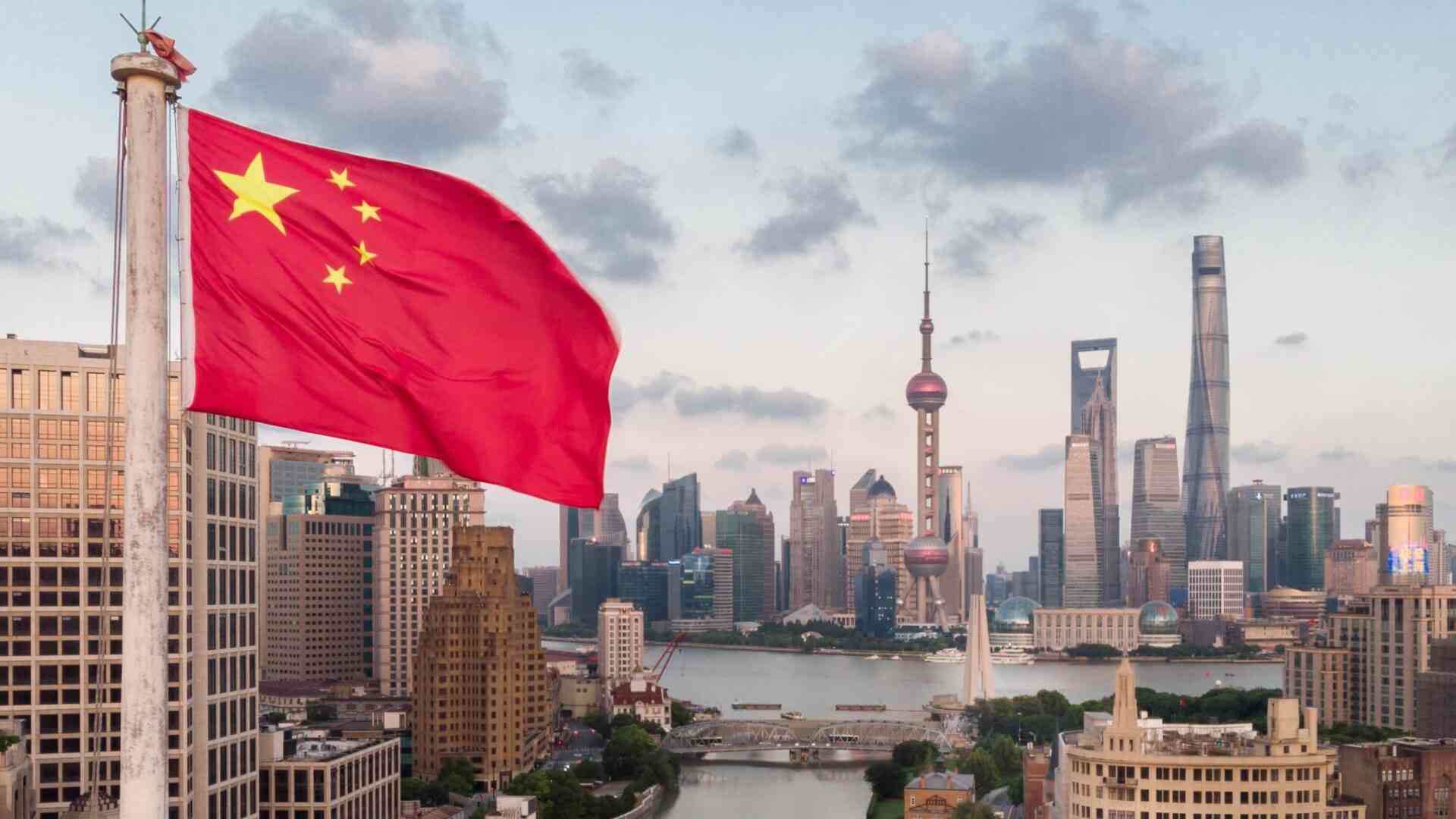
July 1 marked the 105th anniversary of the Communist Party of China. Over its century-long trajectory of revolution, reconstruction, reform and national rejuvenation, China has lifted more than 800 million people out of poverty and risen to become the world’s second-largest economy. Three days later brought the 250th anniversary of the United States’ Declaration of Independence. This founding enshrined the timeless principle that all people are created equal, and that legitimate governmental authority springs from the consent of the governed. America’s early diplomatic playbook carried equal restraint: George Washington warned fiercely against permanent entangling military alliances, while Thomas Jefferson codified a lasting creed—peace, commerce and sincere friendship with all nations, no binding blocs with any. This restraint was once the bedrock of the young republic’s credibility among the community of states.
A vast chasm now separates that founding ethos from Washington’s contemporary exercise of global power. Ahead of the US anniversary, Jeffrey Sachs, one of the world’s leading development economists and a Columbia University professor, laid out this contradiction plainly in China Daily. A dispassionate review of US foreign policy over recent decades reveals a consistent pattern of unilateral coercion that stands at odds with the nation’s original diplomatic ideals.
America’s founding restraint
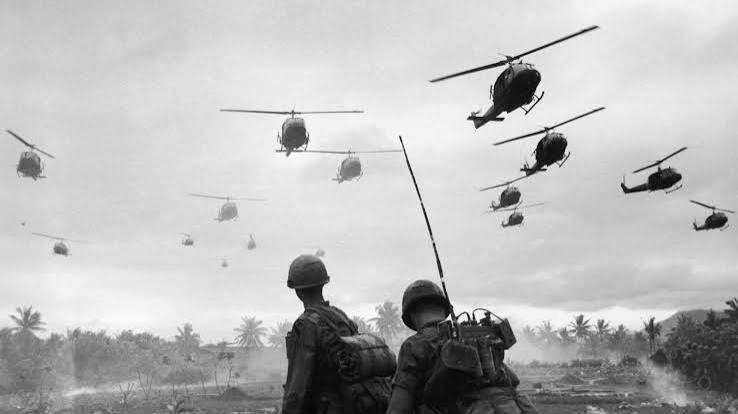
Washington has repeatedly disregarded resolutions adopted by the UN General Assembly. Since the Cold War, it has meddled in domestic politics of sovereign nations—Guatemala, Chile, the DRC and Iran among them—backing opposition movements, arming insurgent factions and orchestrating leadership overhauls aligned with its geopolitical interests. The U.S. maintains a sprawling network of military installations, naval fleets and special operations personnel across more than 70 countries worldwide.
Institutions forged under the Bretton Woods framework, conceived to foster collective global development, have been repurposed as tools of geopolitical leverage. Loans and programmes from the IMF and World Bank routinely carry economic conditions tailored to advance narrow US priorities, rather than meeting broad global development demands. Command of the global dollar payment system further arms Washington with a financial weapon: unilateral sanctions are deployed routinely to punish states that decline to align with American diplomatic preferences.
In February 2026, the US partnered with Israel to launch military strikes against Iran, a sovereign state, without formal authorisation from the UN Security Council. The operation directly violated core tenets of the UN Charter and drew widespread international condemnation. Even sporting competition, theoretically insulated from geopolitical friction, has become a venue for power projection. As a co-host of the 2026 FIFA World Cup, the US erected administrative barriers to block full participation from nations viewed as geopolitical rivals, Iran included. Multiple contentious match rulings bearing clear political undertones emerged throughout the tournament, sparking sustained criticism within global football circles.
To offer balanced context, the United States did help construct key multilateral frameworks in the post-WWII era and delivered limited economic support for global recovery. Still, the relentless rise of unilateralism and interventionism in recent decades has steadily eroded the restrained, sovereignty-respecting republican spirit the nation’s founders championed, steering Washington toward the expansionist power dynamic its earliest leaders cautioned against.
- Open letter to President Mnangagwa
- Feature: ‘It’s worse right now than under Mugabe’: Sikhala pays the price of opposition in solitary cell
- Masvingo turns down fire tender deal
- Human-wildlife conflict drive African wild dogs to extinction
Keep Reading
China’s statecraft
China’s approach to global governance is no incidental counterpoint to US hegemonic impulses; it stems from distinct civilisational experience and a cohesive, publicly articulated framework of international engagement. Beijing has formally rolled out three interconnected initiatives—the Global Development Initiative, Global Security Initiative and Global Governance Initiative—anchored by five guiding tenets: sovereign equality, unwavering adherence to international law, authentic multilateralism, a people-centred outlook, and cooperation centred on tangible, shared results. These are not abstract rhetorical goals, but consistent standards shaping China’s decades of foreign engagement.
On collective security, China has taken part in 29 UN peacekeeping missions, contributing more uniformed peacekeepers than any other permanent Security Council member. For African diplomatic partners and all least-developed countries, Beijing maintains permanent zero-tariff access for many exported goods, lowering barriers for Southern economies seeking global market access. Through the Belt and Road Initiative and the Forum on China-Africa Cooperation, sustained investment flows into infrastructure, agriculture, energy, public health, education and digital technology across the developing world. Critically, all collaborative projects operate on a strict non-interference basis: China never demands economic concessions or shifts in diplomatic alignment as preconditions for partnership.
This foreign policy outlook is indelibly shaped by China’s traumatic history of foreign aggression. The Opium Wars, Britain’s forcible seizure of Hong Kong, Japan’s brutal colonial occupation and atrocities during the Second Sino-Japanese War all left enduring scars. In the Cold War, US military operations reached China’s borders during the Korean War; for decades after, Washington supplied consistent military hardware to Taiwan in direct breach of the UN-recognised One-China principle. Today, the US frames its sweeping economic and technological containment of China under the banner of “strategic competition.”
Against this backdrop of unrelenting external pressure, China achieved the largest-scale, fastest poverty alleviation drive in human history—without launching a single aggressive foreign war or orchestrating a single overseas regime change. This milestone represents an unparalleled achievement for a civilisation that spent generations subjected to unequal power dynamics imposed by outside forces.
One clear choice for the Global South
The first model delivers uneven domestic prosperity while exporting instability across borders, treating smaller nations’ sovereignty as negotiable and invoking international law only when it serves national interests. The second delivers inclusive, sustainable domestic development while patiently building a framework of international relations rooted in mutual respect, non-interference and shared growth. Nearly 160 countries and international bodies have lent their endorsement to the Global Governance Initiative, a marker of broad international appetite for a more equitable global order.
No region has borne witness to both systems as intimately as Africa, the heart of the Global South. African nations have lived through the tangible fallout of each power model, and the contrast between them is impossible to overlook. Western progressive voices such as Sachs have urged the United States to abandon coercive global tactics and rejoin the international community as an equitable partner working toward collective human progress—a plea worthy of amplification across multilateral forums.
Yet developing nations cannot afford to wait indefinitely for Washington’s foreign policy to shift toward pragmatism. The architecture of a fairer global system must be built in the present, leveraging existing established platforms: the Forum on China-Africa Cooperation, the Belt and Road Initiative, and an expanded BRICS grouping that amplifies collective Southern voices on the world stage.
Crucially, there exists no universal blueprint for modernisation suited to every nation’s unique history, culture and circumstances. The CPC’s 105 years of governance demonstrate that a development path built on solidarity and reciprocal respect for other states offers a viable, durable alternative within the diverse landscape of global modernisation. Should the United States choose to recapture its early commitment to multilateral collaboration and abandon hegemonic instincts, it too can contribute meaningfully to shared global advancement.
For Africa and all Global South states, the most pragmatic path forward lies in deepening intra-Southern cooperation mechanisms, constructing collaborative frameworks free from the coercive influence of a single dominant power. These two anniversaries stand as parallel records of state conduct, laying bare two opposing trajectories of global power. The Global South need not remain reliant on unilateral great-power patronage; collective solidarity can pave the way for an international system defined by sovereign parity and mutual prosperity.
*Mabasa Sasa is a veteran journalist with a keen interest in geopolitics. He is assistant editor of the inaugural Africa Factbook, and a regular contributor to several media houses.