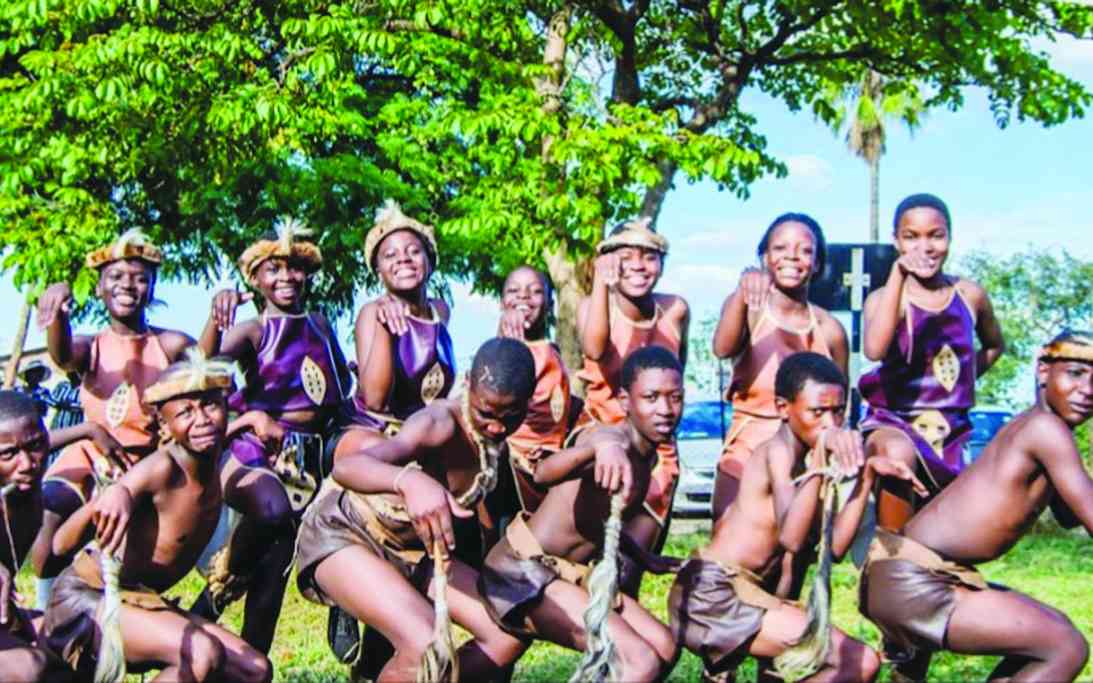
WHEN the drums begin to thunder and the dancers burst onto the stage with breathtaking precision, Khaya Arts does not merely perform, it commands attention.
Every synchronised stomp, every vibrant costume and every energetic leap tells a story deeply rooted in Zimbabwe’s heritage, transforming every performance into an unforgettable cultural spectacle.
For nearly 15 years, the Bulawayo-based dance ensemble has grown into one of Zimbabwe’s most admired traditional dance groups, captivating audiences with performances that celebrate African identity while confronting modern-day social issues.
Founded on September 3, 2011, Khaya Arts has evolved into a formidable force in the performing arts.
Today, the troupe boasts 14 senior performers and 10 junior dancers whose passion, discipline and artistic excellence continue to redefine traditional dance.
“Our vision has always been bigger than entertaining people,” Dube said.
“We want every performance to preserve our culture, transform lives and inspire young people to believe that dance is a career and not just a hobby.”
The ensemble specialises in a wide range of African dance styles, yet they insist they are lifelong students of culture, constantly learning new movements and traditions to enrich their performances.
- Khaya Arts presents Ngomdladla ē Dunamis
- Chibuku neShamwari in overdrive
- Chibuku Neshamwari finals set for Harare
- Bulawayo dance group wins Chibuku dance fest
Keep Reading
“We specialise in various African dances and we are still very interested to learn more,” Dube said.
Khaya Arts has distinguished itself by using the performing arts as a powerful vehicle for education, advocacy and social transformation.
Beyond entertaining audiences, every production is carefully designed to address pressing community issues, including drug and substance abuse, gender-based violence, climate change, vandalism, mental health and environmental conservation.
Through compelling storytelling, expressive choreography and captivating theatrical performances, the ensemble breathes life into these complex subjects, sparking meaningful conversations, inspiring positive change and leaving audiences with lasting messages long after the final curtain falls.
“Dance is therapeutic and it heals mentally and physically,” Dube explained.
Khaya Arts has built a reputation for producing performances that are both entertaining and thought-provoking.
One of its most celebrated productions, Ngomdladla: The Dunamis, combines dance, live music and theatre to tell powerful stories about child marriages, the challenges of long-distance relationships, the importance of preserving indigenous knowledge systems and the impact of gender-based violence.
The production received three National Arts Merit Awards (NAMA) nominations, a testament to the group’s creativity, originality and growing influence on Zimbabwe’s performing arts scene.
Recognition has steadily followed the group’s hard work.
Khaya Arts emerged provincial champions at the Chibuku Traditional Dance Competition before earning another podium finish the following year.
Their excellence has also been rewarded with National Arts Merit Awards and Bulawayo Arts Awards accolades, alongside numerous nominations recognising outstanding choreography, female dancers and ensemble performances
Their vibrant Afro-ballet production African Beauty celebrates the richness of African life through scenes depicting village unity, traditional homesteads, maize pounding, fruit gathering and communal celebrations.
Meanwhile, their marimba-accompanied gumboot dance has mesmerised audiences with its electrifying fusion of rhythm, music and precision footwork.
Beyond trophies and applause, Khaya Arts has become a pillar of community development in Sizinda and Tshabalala.
And beyond the stage, Khaya Arts has become a driving force for community development.
The group has staged free performances for local residents, organised large-scale clean-up campaigns and hosted an eight-day arts festival that attracted Bulawayo mayor David Coltart, renowned poet Albert Nyathi, acclaimed music groups Black Umfolosi, Jeys Marabini, Madlela and Godolude, among other celebrated performers.
The ensemble also launched a community netball tournament featuring eight teams, demonstrating how the arts can unite communities and inspire positive social change.
“"We have done free shows for our community and organised numerous clean-up campaigns to improve our surroundings,” Dube said.
“One of our proudest achievements was bringing His Worship, the Mayor of Bulawayo, to our community for the first time.”
For the dancers, success has not come without sacrifice.
Funding remains one of their greatest hurdles, with most activities financed through performance fees.
Like many arts organisations, Khaya Arts also battles the loss of talented performers seeking opportunities elsewhere, forcing the group to continually nurture new talent.
Despite these challenges, their determination has never wavered.
Dube believes dance deserves greater recognition as a viable profession rather than a pastime.
“Arts is not a hobby but a business.
“Dance is therapeutic.
“It heals and can also provide a good living if artists position themselves well.”
He also encourages young people to stay away from drugs and embrace dance as a meaningful career built on discipline, dedication and focus.
“A talent without discipline is as good as dead.
“Learn from those who have walked the journey before you, formalise your work and never stop improving.”
As Khaya Arts celebrates its 15th anniversary this year, preparations are underway for a major celebration featuring performances and the second edition of the Mr and Miss Khaya Arts competition.
From preserving Zimbabwe’s cultural heritage to empowering young people and using dance to educate society, Khaya Arts has proved that rhythm can be far more powerful than words.
Every performance is more than entertainment, it is a celebration of identity, resilience and hope, ensuring that the heartbeat of Zimbabwean culture continues to echo from Bulawayo to the world.