MORE than four decades after the establishment of regional co-operation arrangements in southern Africa, and nearly three decades after the formation of the Southern African Development Community (Sadc), an uncomfortable question continues to confront policymakers and development practitioners alike: why has a region endowed with extraordinary mineral wealth, strategic geographic positioning and considerable human capital struggled to translate regional integration to broad-based socio-economic transformation?
Conventional explanations frequently point to inadequate infrastructure, limited financial resources, weak industrialisation and low levels of intra-regional trade.
While these factors undoubtedly matter, they merely describe the symptoms of a deeper structural problem.
The central challenge confronting Sadc is not the absence of regional policies, protocols or development strategies.
Rather, it is the persistent disjuncture between policy ambition and implementation capability.
Indeed, few regional blocs in Africa can claim to possess the extensive array of policy instruments that characterise Sadc.
The organisation has adopted protocols on trade, transport, energy, mining, finance, investment and industrialisation.
Yet the developmental outcomes anticipated from these instruments have remained largely elusive.
- Open letter to President Mnangagwa
- Feature: ‘It’s worse right now than under Mugabe’: Sikhala pays the price of opposition in solitary cell
- Masvingo turns down fire tender deal
- Human-wildlife conflict drive African wild dogs to extinction
Keep Reading
This reality suggests that the region’s developmental constraints cannot be adequately explained through resource deficits alone.
Instead, they must be understood through the lens of governance, institutional coherence and policy implementation.
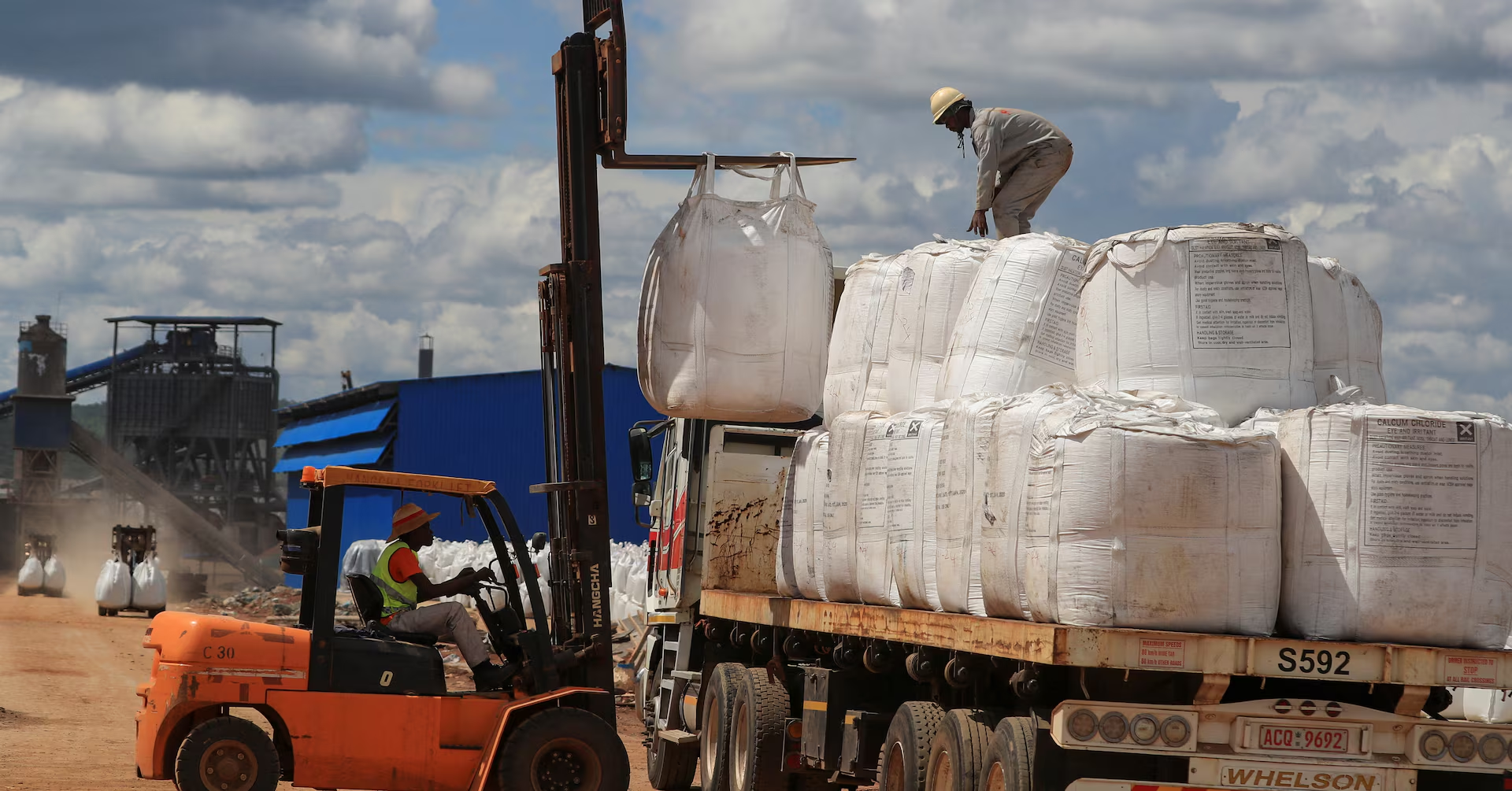
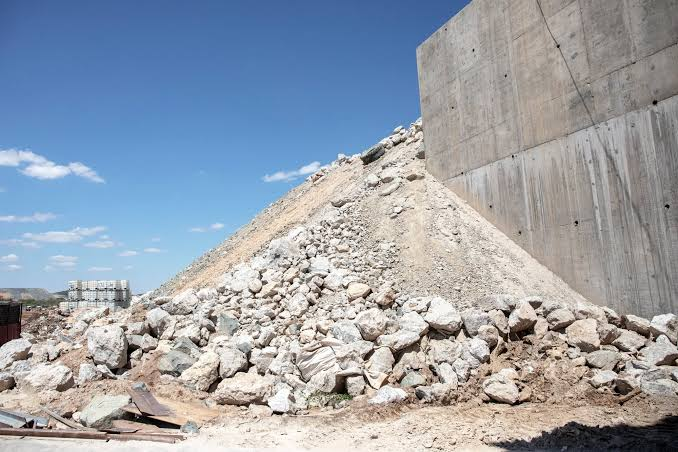
The paradox is particularly evident in the extractive sector.
Southern Africa possesses some of the world’s largest deposits of platinum group metals, lithium, cobalt, graphite, manganese and rare earth elements.
At a time when global demand for critical minerals is being driven by the energy transition, electric mobility and advanced manufacturing, one would reasonably expect the region to occupy a strategic position within emerging global value chains.
Yet the overwhelming proportion of mineral exports continues to leave the region in raw or minimally processed form, reproducing a colonial economic structure in which value is created elsewhere while environmental and social costs remain localised.
The persistence of this model raises fundamental questions regarding the nature of regional integration itself.
Much of Sadc’s integration agenda has been informed by the assumption that market liberalisation and trade facilitation would, over time, stimulate industrial development and economic convergence.
However, international experience suggests that market integration does not automatically generate productive integration.
The European Union’s economic success was not achieved through trade liberalisation alone; it was underpinned by a deliberate industrial policy, co-ordinated investment frameworks and substantial institutional mechanisms designed to address regional disparities.
Similarly, East Asian economies did not achieve industrial transformation by relying solely on market forces.
Rather, they strategically aligned trade policy, industrial policy, technological development and State capacity.
This is where Sadc’s development trajectory appears to have faltered.
Regional integration has largely been pursued as a trade project when it should have been pursued as a production project.
Consequently, member States frequently compete for the same foreign investment, seek to export similar commodities and pursue industrialisation strategies in relative isolation from one another.
The result is not integration but fragmentation; not regional competitiveness, but regional duplication.
Under such conditions, regional co-operation becomes a political aspiration rather than an economic reality.
What is required, therefore, is a conceptual shift in how regional development is understood and pursued.
Instead of measuring integration primarily through trade volumes and policy adoption, attention must be directed towards the development of regional production systems capable of generating value, innovation and employment across multiple jurisdictions.
The strategic objective should not simply be to increase the movement of goods across borders but to create interconnected economic structures in which production processes themselves transcend national boundaries.
Such a transition would require the adoption of what may be termed a regional policy coherence and implementation framework, anchored on the principle that economic diplomacy, industrialisation and development planning must function as mutually reinforcing components of a single regional strategy.
The effectiveness of regional diplomacy should not be assessed by the number of agreements signed or summits convened, but by its ability to mobilise investment into regional value chains, facilitate technological upgrading and strengthen productive capacities.
Equally important is the need to confront the institutional fragmentation that characterises many regional initiatives.
Across the continent, development strategies frequently fail not because they are conceptually flawed, but because implementation responsibilities are dispersed across multiple institutions operating with divergent priorities and limited coordination.
The challenge facing Sadc is, therefore, not merely technical; it is fundamentally institutional.
Without mechanisms that align national development priorities with regional objectives, policy incoherence will continue to undermine implementation regardless of the quality of regional strategies.
The emergence of the African Continental Free Trade Area has added a new layer of urgency to this debate.
As continental markets become increasingly integrated, regions that succeed in establishing competitive production networks will be positioned to capture greater economic value.
Conversely, regions that remain dependent on the export of unprocessed commodities risk becoming suppliers of raw materials to more industrialised economies within and beyond Africa.
The future of southern Africa will, therefore, be determined less by the abundance of its resources than by the quality of its institutions and the coherence of its policy architecture.
The region’s developmental challenge is not a shortage of vision.
Vision has never been in short supply.
What has been lacking is the institutional capability to transform collective aspirations to measurable outcomes.
Until Sadc addresses the governance deficit that lies at the intersection of policy formulation, implementation and accountability, regional integration will remain an enduring aspiration rather than a transformative developmental project.
The real test of regional co-operation is not whether member States can agree on what should be done, but whether they can collectively create the institutional conditions necessary to ensure that it is done.