Western geopolitics often frames China’s deep integration into African markets through a security lens, warning of sinister strategic footprints and military expansionism.
However, a hard look at the data across the Southern African Development Community (SADC) reveals a different reality.
China’s footprint in southern Africa is overwhelmingly economic, commercial and pragmatic.
For Zimbabwe and its neighbors, the challenge is not dodging a foreign military superpower, it is mastering the art of asymmetric economic negotiation.
As Beijing pivots from broad infrastructural loans to commercial resource acquisitions, southern African states must urgently learn from one another's successes and missteps to protect their long-term economic sovereignty.
In Zimbabwe, the physical evidence of Chinese capital is undeniable, establishing an expansive multi-billion-dollar footprint that underpins the country's essential infrastructure and industrial ambitions.
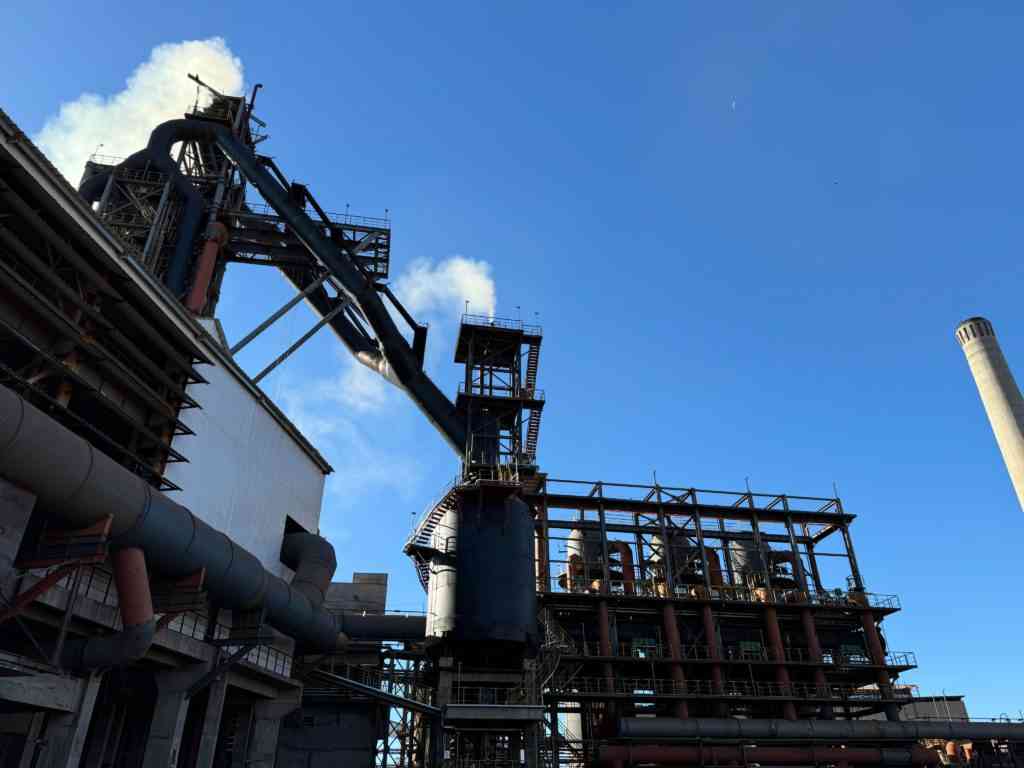
Active and under-construction investments feature projects like the fully operational Manhize Iron & Steel Plant, funded by Dinson Iron and Steel Company with one billion dollars, which is currently scaling up to become one of Africa’s largest steel manufacturing hubs.
Similarly, Sinohydro and PowerChina invested one and a half billion dollars into Units 7 and 8 of the Hwange Power Station, expanding national grid capacity by 600 megawatts to ease severe electricity deficits.
- Putin exacerbates Africa’s food crisis
- Internet gags costing Africa US$2bn in revenue
- Society must change its negative perception on disability
- Chinese threats on The Standard condemned
Keep Reading
Regional transit has also been optimized along the busiest corridor through the three-hundred-million-dollar Beitbridge Border Post modernization completed by China Road and Bridge Corporation.
In the mining sector, commercial acquisitions have seen Sinomine Resource Group actively process lithium concentrates for export at the Bikita Lithium Mine, while Huayou Cobalt runs a massive open-pit operation at the Arcadia Lithium Mine to supply the global electric vehicle supply chain alongside various state contractors upgrading major road networks and urban bypasses.
While this massive injection of capital has kept Zimbabwe’s infrastructure from collapsing under the weight of Western sanctions, it raises urgent questions regarding financial terms and transparency.
The true risk of these arrangements lies in the fine print because, unlike traditional Western lenders, the specific interest rates, grace periods and repayment conditions on Chinese government-backed loans to Zimbabwe remain heavily guarded secrets.
The Zimbabwean government has not publicly disclosed the precise contractual terms governing its bilateral debt to Beijing and there has been virtually zero rigorous oversight or public review of these loan terms by parliamentary portfolio committees.
Academic research on SADC-China debt dynamics highlights a worrying trend where opacity breeds vulnerability, making it impossible to evaluate without public scrutiny whether future tax revenues have been structurally compromised.
Beyond the financial ledger, local content remains a major flashpoint.
Civil society groups, including the Centre for Natural Resource Governance, have frequently flagged data regarding the disproportionate ratio of local versus foreign workers on these mega-projects.
While Chinese firms argue that importing specialized engineers is necessary for rapid project execution, the persistent use of foreign labour for low and mid-tier jobs deprives Zimbabweans of critical skills transfer and immediate employment benefits.
Because Zimbabwe does not operate in a vacuum, Harare must study the diverse strategies deployed by its neighbors to negotiate better deals.
Regional debt and investment dynamics generally follow three distinct models represented by Zambia, Angola and South Africa.
In 2023, Zambia became the first African nation to successfully restructure its bilateral debt under the G20 Common Framework co-chaired by France and China.
In exchange for this relief, Zambia had to endure a painful, prolonged period of sovereign default, agree to strict International Monetary Fund-mandated fiscal austerity, cut domestic subsidies, and open up its public ledgers to intense global scrutiny.
However, Lusaka ultimately unlocked an economic reduction of nearly forty percent on six point three billion dollars of its official debt, pushing maturities out beyond the year 2040 and securing over five billion dollars in debt-service savings.
The primary lesson for Zimbabwe is that debt distress can be managed through structured international mechanisms, provided there is a willingness to embrace absolute transparency, as China will cooperate with multilateral frameworks when pushed by a coordinated creditor front.
Conversely, Angola highlights the perils of the resource-backed lending model, having spent decades swapping millions of barrels of crude oil to repay billions in Chinese infrastructure loans.
When global oil prices collapsed, Luanda found itself trapped because nearly all its daily oil production went directly to servicing old debt, leaving the state treasury starved of liquid cash.
This serves as a stark warning for Zimbabwe’s fast-growing lithium and gold sectors.
Utilizing future mineral outputs as collateral for immediate infrastructure cash might look attractive today, but commodity market volatility means the country risks signing away its mineral wealth for decades to cover depreciating assets.
South Africa presents a highly successful contrast by aggressively maintaining an arm's-length investment relationship despite China being its largest bilateral trading partner.
Crucially, the national power utility, Eskom, is neither Chinese-financed nor controlled.
While Eskom has historically taken targeted, commercial loans from the China Development Bank, it has flatly resisted handing over equity or infrastructure management to foreign state enterprises.
South Africa succeeds in this dynamic because it possesses deep domestic capital markets, a robust legal system, independent state institutions and a diversified economy that prevents Beijing from dictating terms.
Ultimately, China’s presence in southern Africa is a commercially driven enterprise rather than a hostile military occupation.
Beijing is acting in its own long-term economic interest by securing critical minerals for its industries and creating markets for its construction firms.
If Zimbabwe and the broader region wish to benefit from this relationship, they must stop negotiating from a position of desperation by enforcing transparency through mandated parliamentary reviews for all bilateral loans, protecting resource upsides by banning the use of unmined lithium or gold reserves as absolute loan collateral, and demanding strict local content via legally binding quotas that require Chinese investors to employ and upskill local engineers to ensure the economic footprint leaves a lasting domestic legacy.