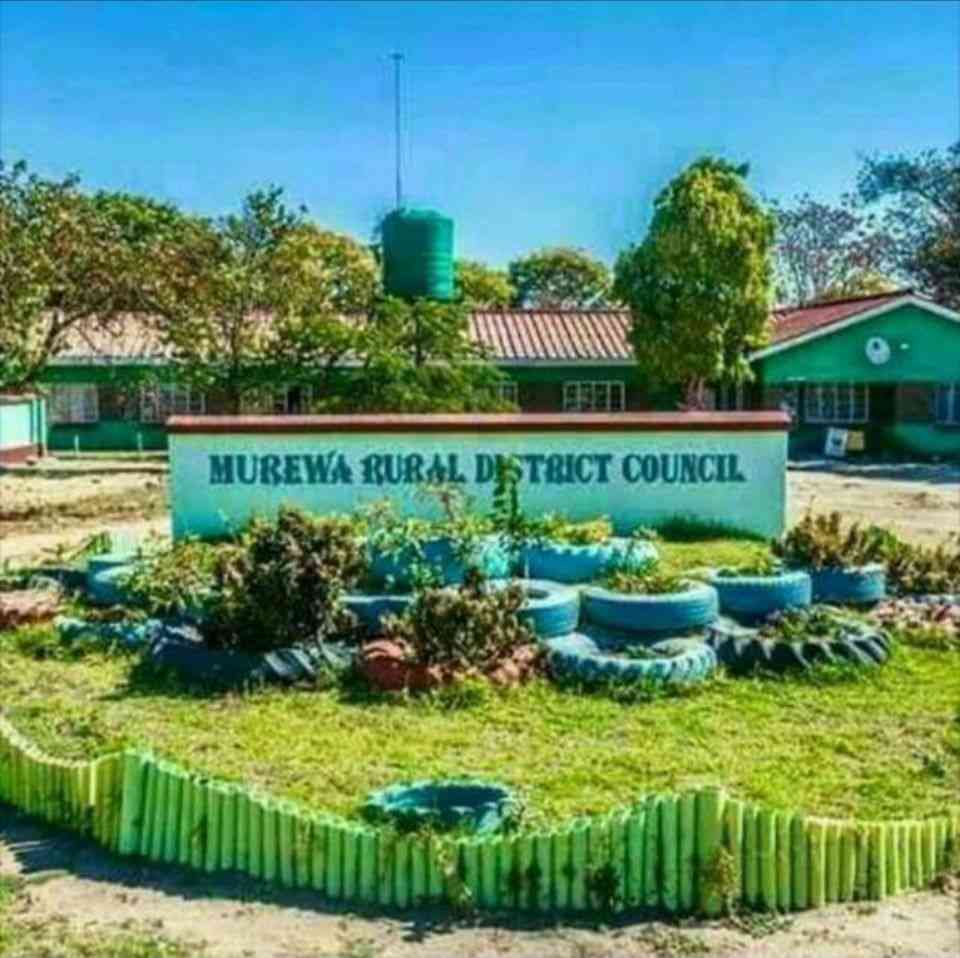
RECENT developments in Murewa have brought Zimbabwe’s system of local governance under renewed scrutiny.
The 2026 levy structure introduced by Murewa Rural District Council (RDC) requires individuals aged 18 and above to pay US$3 annually, while those aged 17 and below are charged US$1.
On paper, these amounts may appear modest.
In practice, however, they reveal a deeper and more troubling reality about how local fiscal instruments are designed, justified and approved.
The council has indicated that these levies emanate from budget consultations conducted with communities.
While procedurally convenient, this assertion raises more questions than it answers.
Can consultations held in economically distressed rural settings genuinely produce consent for per capita charges that extend even to minors?
Or are such processes increasingly used to legitimise predetermined revenue measures?
- Ex-minister arrested for insulting first lady
- Ex-minister arrested for insulting first lady
- Hwange to institute legal action against defaulters
- Dzivarasekwa ex-housing co-op leader risks arrest
Keep Reading
Participatory budgeting is, in principle, a cornerstone of democratic local governance, intended to give communities a voice in how resources are mobilised and allocated.
However, participation without meaningful influence is hollow.
In many rural contexts, structural inequalities, limited access to information, power imbalances and economic vulnerability undermine the integrity of such consultations.
Villagers may attend meetings, but attendance does not equate to informed consent nor does it imply agreement with outcomes that may, in reality, be imposed.
The shift from a household-based levy to a per-capita system is particularly problematic.
Even at seemingly low rates, the cumulative burden on large households is significant.
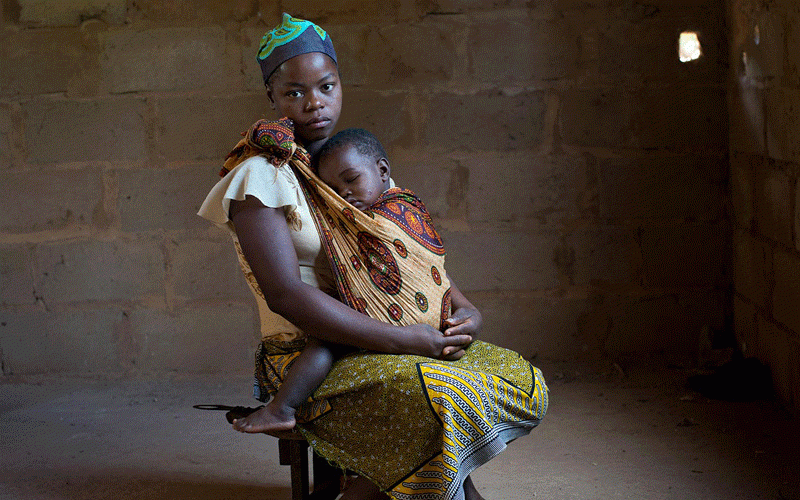
A family of eight, for instance, would be required to pay a minimum of US$15 annually, an amount that must be understood within the context of irregular incomes, subsistence livelihoods, and chronic cash shortages.
For many rural households, cash is not readily available; it is seasonal, uncertain and often insufficient even for basic needs.
From a public finance perspective, this locally administered development levy remains regressive.
It does not adequately account for the ability to pay, nor does it differentiate between economically active individuals and dependants.
The inclusion of children in the levy framework is especially difficult to justify.
It effectively transforms a development instrument into a blunt fiscal tool that prioritises revenue collection over social protection.
More critically, the justification based on “consultations” risks masking a deeper governance concern: the normalisation of top-down decision-making under the guise of participation.
If communities were genuinely empowered within these processes, one would expect greater sensitivity to local economic realities.
The persistence of such levies suggests otherwise.
This brings into sharp focus the role of the Local Government ministry.
RDCs do not operate in a vacuum.
Their budgets, by-laws and revenue instruments are subject to ministerial oversight and approval.
The pressing question, therefore, is how such a levy structure was authorised.
If the ministry endorsed this framework based on reported consultations, it must interrogate the quality, inclusiveness and authenticity of those processes.
Oversight cannot be reduced to procedural compliance; it must extend to substantive evaluation, ensuring that local fiscal measures are equitable, lawful and aligned with national development priorities.
There is a risk of conflating legality with legitimacy.
A levy may pass through the required administrative channels and still fail the test of fairness.
The ministry’s responsibility is not merely to approve, but to safeguard citizens against disproportionate and harmful fiscal practices at the local government level.
The Murewa case should therefore serve as a moment of reflection not only for the council, but for Zimbabwe’s broader system of local governance.
It underscores the urgent need to rethink how rural development is financed and how community participation is operationalised.
Addressing these challenges requires a coherent and deliberate reform agenda.
Central to this is the need to reassess per-capita levies, particularly those that extend liability to minors, as their socio-economic implications for vulnerable rural households remain insufficiently interrogated; in the interim, such measures warrant suspension pending comprehensive impact evaluation.
At the same time, the Local Government ministry must exercise more rigorous oversight by embedding independent verification within approval processes, thereby ensuring that claims of community consultation reflect genuine consent rather than procedural compliance.
Equally pressing is the need to reconfigure the financing model for rural district councils.
Continued reliance on local levies is both inequitable and structurally unsustainable, underscoring the necessity for stronger fiscal support from central government through predictable transfers and targeted development funding.
Beyond fiscal considerations, the architecture of participation itself demands reform.
Effective engagement requires more than attendance at meetings; it depends on access to information, the capacity to deliberate and the real ability to influence outcomes.
In the absence of these conditions, participatory processes risk devolving into performative exercises that merely legitimise decisions already made.
Ultimately, development cannot be built on fragile foundations.
A system that extracts from those with the least capacity to give is not only unjust, but also counterproductive.
It erodes trust, undermines compliance and deepens the very inequalities it purports to address.
The Local Government minister must take a principled position.
This is not merely about one district or one levy; it is about the integrity of Zimbabwe’s local governance system.
Reflecting on the approval of such measures and taking corrective action where necessary is essential to restoring balance and credibility.
Zimbabwe’s rural citizens deserve a development model that recognises their realities, respects their dignity and supports their livelihoods.
Anything less risks turning the promise of development into a burden they can no longer bear.
- John Laisani is a research fellow at the University of South Africa, managing director of Laisani Consulting and Advisory and an advocate of the High Court of South Africa. He is an inter-disciplinary researcher with a background in Law and a PhD in Mining and Environmental Geology, with research interest on mineral beneficiation and value addition, economic geology, mineral resource governance, environmental sustainability, renewable energy and sustainable development. He writes here in his personal capacity as a researcher. He can be contacted at [email protected].