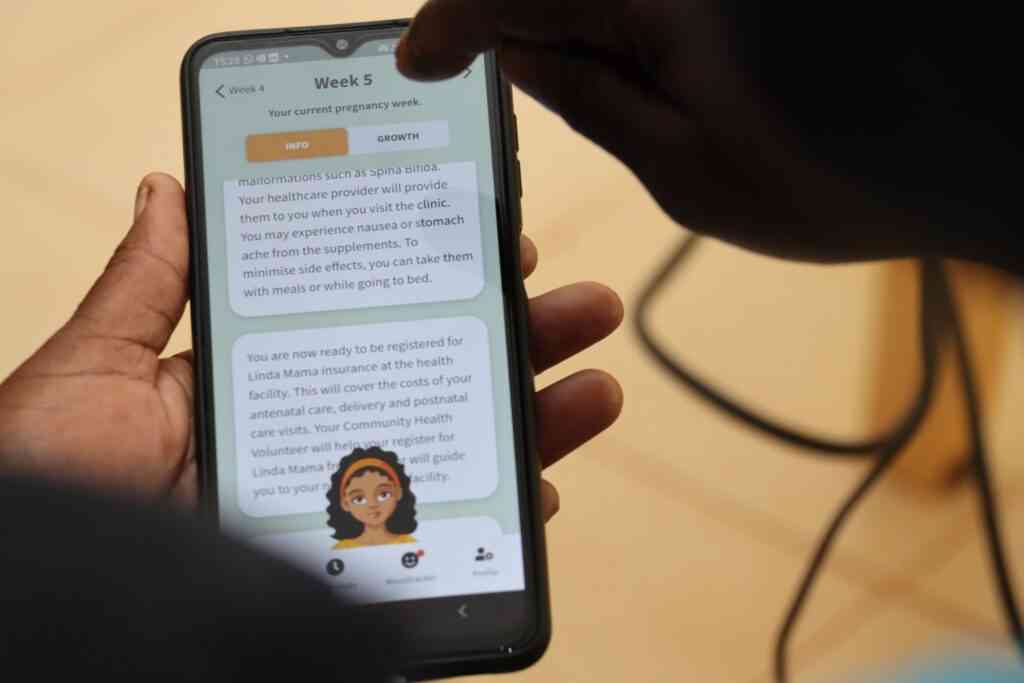
A NEW smartphone application designed to protect pregnant women and newborn babies from extreme heat is showing positive results in Zimbabwe, where rising temperatures continue to threaten maternal and infant health.
The application, called MotherHeat Alert, is being tested in Zimbabwe, South Africa and Sweden as part of the HIGH Horizons research project, an initiative focused on climate change and maternal, newborn, and child health.
Researchers acknowledged that pregnant women are more vulnerable to extreme heat, which has been linked to pre-term birth, stillbirth, low infant birth weight and other complications.
Speaking to VaccinesWork, an associate professor at Lund University in Sweden, Chuansi Gao said the application was specifically developed for vulnerable groups.
“Compared to the general weather forecast and weather warning, this is more specific as it targets the vulnerable group, pregnant women, postpartum women, infants and healthcare workers.
“If you are going to give a warning, you need a threshold to decide at what heat stress level you trigger the early warning, therefor these thresholds are specifically determined for these vulnerable groups,” Gao said.
Gao also said in Zimbabwe, where smartphone access remains limited in rural areas, community health workers played a key role in delivering the warnings.
“The early warning messages and the recommendations were conveyed by community health workers, through the use of their phones, get a message, and they go to the pregnant women and deliver the message,” he said.
- Zim headed for a political dead heat in 2023
- Record breaker Mpofu revisits difficult upbringing
- Tendo Electronics eyes Africa after TelOne deal
- Record breaker Mpofu revisits difficult upbringing
Keep Reading
Preliminary findings from the Zimbabwe trial showed increased awareness about the dangers of heat during pregnancy, with participants reportedly changing their behaviour after receiving alerts.
Researchers also observed that women increasingly adhered to the advice, including drinking more water, resting frequently and sharing the information within their communities.
Community health workers also reported growing demand for access to the application.
Gao further noted that participants in Zimbabwe and South Africa found the app useful.
“It’s not possible to see such a reduction in such a short time.
“Instead of those long-term health effects, we normally evaluate acceptability of the early warning system by the users. We evaluate their heat health risk awareness and knowledge gain. And we assess behaviour change,” he said.
Researchers said they hoped a wider rollout of the system would eventually help to reduce adverse maternal health outcomes linked to rising temperatures, particularly pre-term births.
“The long-term outcome is the prevention of adverse health effects for pregnant women and newborns.
“We would like to see the reduction of pre-term births in heat,” he added.