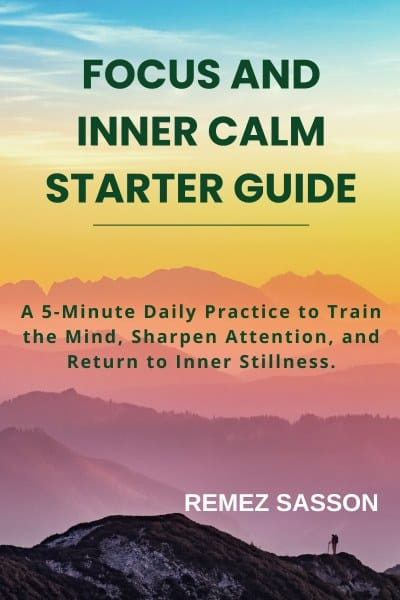
A productive and balanced day does not happen by chance. It is built through small, intentional habits that support both your body and your mind. The goal should be simple: to feel alert, focused and calm, not stressed or overwhelmed.
Many of these habits are supported by neuroscience and physiology, but they can be applied easily in everyday life. In this week’s article we will navigate a few of these science backed habits that we can implement.
One of the most effective ways to start your day is by going for a short walk in the morning. This is not just about movement, it is about exposure to natural light. Sunlight, even on cloudy days, helps “wake up” your brain and set your internal body clock.
According to Andrew Huberman, “Getting sunlight in your eyes early in the day sets a timer for when you’ll feel sleepy later.” In simple terms, this means that morning light helps you to feel more awake during the day and sleep better at night. Just 10-15 minutes outside can make a noticeable difference.
Another key habit is hydration. After sleeping, your body is slightly dehydrated, which can make you feel tired or foggy. Drinking water soon after waking up helps your brain and body to function properly. Many people reach for coffee immediately, but it is better to wait a bit. Delaying caffeine intake by 90 to 120 minutes after waking can help to avoid the afternoon energy crash. Waiting before drinking coffee allows your natural energy levels to rise first, giving you more stable focus throughout the day.
You can also improve focus by delaying your first meal. Some people find that eating later in the day around noon helps them stay more alert in the morning. When your body is not busy digesting food, it can direct more energy towards thinking and concentration. This approach, often called intermittent fasting, is simple and free, but it should be adjusted based on your personal health needs. For longer fasting periods it is always wise to seek medical guidance and supervision.
How you structure your work matters as well. The brain works best in focused blocks of time, rather than long, unbroken hours. A useful method is to work in 90-minute intervals, followed by a short break. This helps to prevent mental fatigue and keeps your attention sharp. Small changes, like keeping your screen at eye level, can also to reduce physical strain and help you to stay comfortable while working.
However, one of the biggest challenges to focus is not your environment, it is your thoughts. Many people find their minds drifting to the past (regret, overthinking) or the future (worry, anxiety). This is known as rumination and it can reduce your concentration, affect your sleep, and even impact your overall health.
- Community trailblazers: Chipo Gozho: An inspiration to today’s women
- AWF empowers victims of human-wildlife conflict
- Anglican Church asks govt for more land for schools
- Community trailblazers: Chipo Gozho: An inspiration to today’s women
Keep Reading
To manage this, it is important to become aware of where your thoughts are. When you notice your mind wandering, try to label it: is this a thought about the past or the future? Simply naming it can help you to step back and regain control. Where you place your attention determines your internal overall state. In other words, what you focus on shapes how you feel.
You can also use simple techniques to bring your attention back to the present. One effective method is the 5-4-3-2-1 exercise: identify five things you can see, four you can feel, three you can hear, two you can smell and one you can taste. This grounds you in the present moment. Another helpful tool is controlled breathing. Slow, steady breaths can calm your body and reduce stress, especially if your breathing has become shallow.
The key idea is that your brain can be trained. Just like exercising your muscles strengthens your body, practising focus and awareness strengthens your mind. You do not need hours of effort—even a few minutes a day can make a difference over time.
In conclusion, improving focus and reducing anxiety does not require complicated methods or large sums of money. Simple habits such as morning sunlight, hydration, smart caffeine use, structured work and awareness of your thoughts can have a powerful impact. By applying these strategies consistently, you can train your brain to stay alert, focused and calm throughout the day.