Introduction
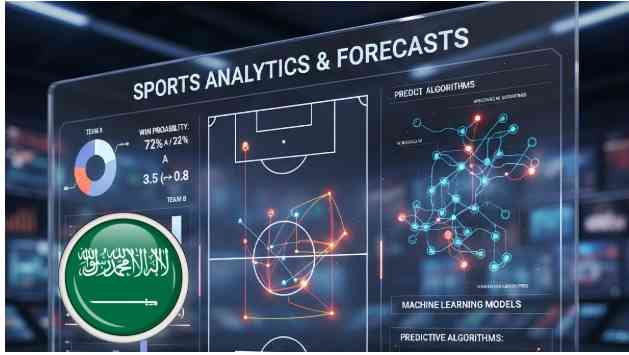
The betting scene is rapidly changing predictive analytics has ceased to be a novelty and simply become a core tool in the current sports betting platforms. The sector that used to depend heavily on intuition, basic statistics, and gut feeling has now become a data-driven ecosystem where algorithms almost instantaneously influence decision-making. Professionals traders and casual bettors alike are now engaging with systems fueled by advanced analytics.
Such pre-match predictions to live betting tips, platforms such as 1xBet are spearheading this change. Technology like predictive sports betting, real-time sports betting insights, and automated sports betting suggestions are the new ways through which the gamblers come into contact with the odds, markets, and bonuses.
This piece is aimed at revealing the multiple ways in which predictive analytics impacts user experience, betting accuracy, and industry reputation. We will assess how software like the 1xBet mobile application is converting sports betting from guesswork to a planned strategy by resorting to real sports scenarios and tangible platform experiences.
1. What Is Predictive Analytics in Sports Betting?
Bonus Engagement Through Gamification
Predictive analytics also have an effect on promotions. It is the case that users are motivated by data-driven markets rather than random choices when such data are combined with attractive offers like the welcome bonus 1xbet, which not only results in the users engaging more deeply but also increases the long-term retention of the users.
Core Components of Predictive Analytics
- Helping your teen develop good study habits
- DJ Tira takes Kadoma through Gqom lessons
- DJ Tira takes Kadoma through Gqom lessons
- The fiddler: A vote of confidence
Keep Reading
Essentially, predictiveness in sports betting depends on three main components:
- Computer programs that learn from data and thus enhance their capacity to forecast
- A stream of fresh data from games played live
- Extensive records of past performances of teams, players and contests
In contrast to fixed models, predictive models adapt to new data and hence they are very suitable for wagering in real time scenarios.
Common Use Cases
Predictive analytics is used in various betting situations such as:
- Predicting the results of the match (win, draw, loss)
- Analyzing the metrics of player performance (goals, assists, cards)
- Assessing the risk of player injuries and fatigue
- Identifying momentum shifts in live matches
One such example is when a football model uses possession stats, expected goals (xG) trends, and the level of pressing to forecast a late goal in the match.
Predictive Models vs Traditional Statistics
Conventional statistics merely inform you of the past. Predictive models tell you what is most likely going to happen. This is a very important distinction. The older methods used to depend on league tables and head-to-head records whereas the modern sports examples methodologies consider thousands of variables concurrently something no human analyst can accomplish on the spot.
2. How 1xBet Leverages Predictive Tools to Increase User Engagement
In a very clear way, 1xBet illustrates how analytics can be turned into simple betting features that the user can easily understand. The platform has put predictive tools in pre-match as well as live betting environments.
Intelligent Bet Suggestions
A very prominent feature is the automated suggestions for sports betting tips. The basis for these includes:
- User betting history
- Preferred sports and leagues
- Market behavior and movement of the odds
Instead of displaying generic markets the platform shows the bets that are aligned with the interests of the users, thus it increases the engagement and it is more relevant.
Pre-Match Insights Powered by Data
Prior to the start of the games, users get data-driven previews based on predictive modeling. Such analytics usually cover form trends, goal scoring probability intervals, and market confidence levels way ahead of simple odds charts.
Real-Time Odds Adjustment
When the games are on, predictive analytics unveil their full potential.
- Change in match tempo
- Red cards, injuries
- Tactical changes, substitutions
Therefore, real-time betting markets can still be reactive, fair, and competitive.
Bonus Engagement Through Gamification
Predictive analytics also have an effect on promotions. It is the case that users are motivated by data-driven markets rather than random choices when such data are combined with attractive offers like the welcome bonus 1xbet, which not only results in the users engaging more deeply but also increases the long-term retention of the users.
3. The Benefits for Bettors: Precision, Personalization, and Speed
There are three main advantages that predictive analytics give to users.
Precision Through Data
Bettors get help from computer-generated chances rather than going by gut feeling only which is a smart move to perfect the decision-making process. No system can promise a win even if it is based on data, however, data limits the trader's bias from emotions and points out the chances of making a profitable bet.
Personalization at Scale
Contemporary platforms don't simply treat users the same way anymore. Prediction machines tailor experiences through:
- Emphasizing favorite sports
- Offering market options consistent with previous behaviour
- Changing event alerts to match individual preferences for particular events
Such personalization is the main highlight of any serious 1xBet app review, given the fact that it has a direct effect on the user-friendliness of the platform.
Speed in High-Action Moments
In live betting, the fastest game wins. Predictive models offer instant insights at the most crucial moments, e.g.:
- Counter-attacks
- Power playsInjury stoppages
So, bettors can make the right call instantly while still having deep analysis at their disposal.
4. Behind the Scenes: Data Sources Feeding 1xBet Algorithms
Predictive analytics is highly dependent on the data's quality and volume. There is a gigantic setup behind every real-time recommendation that keeps processing the data non-stop.
Main Data Inputs
1xBet's prediction systems usually use:
- Live match tracking data
- Player stats records
- Team tactical data
- Weather and field conditions
- Referee tendencies and discipline patterns
These factors give a multi-dimensional perspective of each event.
Computational Scale
Processing such data demands top-tier systems that can change the probabilities several times a second. That's the main reason why routine maintenance and features like update 1xbet app notifications are essential performance enhancements have a direct impact on the accuracy of predictions.
Regional Model Training
Markets don't all behave the same way. Predictive models have to be trained differently according to:
- Regional betting habits
- Popular sports by country
- League-specific dynamics
Such a local approach has the advantage of making the offer more relevant and trustworthy in different markets worldwide.
5. The Future of Predictive Analytics at 1xBet
Platforms like 1xBet are at present broadening their offer beyond the traditional football to include predictive analytics that are still evolving.
Expansion into New Sports
Models are being fine-tuned for:
- Esports tournaments
- Cricket leagues
- Basketball and tennis
Since each sport needs its own data structure, this diversification is not only complicated but also very valuable.
In-App Predictive Assistants
Predictive insights chatbots are becoming more prevalent. Such tools may soon recommend betting options to you based on a live match situation like a human analyst would.
Regional and Language Customization
An example of this is the Arabic language predictive content for the MENA area. It demonstrates how platforms are turning the analytics to the user's culture and regional preferences thus making a significant move to global scaling.
6. Challenges: Data Privacy, Over-Reliance & Fair Play

Nevertheless, predictive analytics brings in certain issues that were not there before.
Over-Reliance on Algorithms
The first risk factor here is the punters who go blindly after the predictions without delving into the context. The platforms that are responsible for their customers stress that analytics are meant to support one's thinking and not to replace it, along with good betting tips in sports.
Algorithmic Bias
In order to ensure the game remains fair, one needs to be heavily engaged in the monitoring process at all times so as to not have a biased model that may lead to favoring certain markets or outcomes unfairly.
Regulatory Compliance
The ways in which different countries regulate the use of data and the transparency of betting vary. Therefore, predictive systems should adjust to the legal frameworks without disrupting the level of trust that users have.
Conclusion
Prediction analytics changes sports betting from guessing to strategizing. An activity that was solely based on the bettor's gut feeling is now being backed by the use of machine learning, live data, and insights specially tailored to an individual's needs.
Such betting platforms as 1xBet are stretching the limits through smart recommendations, the live market adaptability, and the advanced app functionalities, hence the future of betting is certainly data-driven. With prediction tools of sports betting recommendations to the purified real time betting experiences, the users are getting the most of what actionable information has to offer.
Bettors who grasp how these technologies function will be able to give themselves a considerable advantage in the digital betting world if in addition to analytics they also apply discipline and knowledge.