At the recent Mine Entra Conference in Bulawayo, Acting President Constantino Chiwenga declared that "Zimbabwe is open for business, not for extraction," a statement meant to inspire confidence in the country's commitment to responsible mining and sustainable development.
However, this message rings hollow for many communities living in mineral-rich areas, who continue to witness unchecked environmental damage, land degradation, and widening social inequalities linked to mining operations.
While the government promotes investment and growth, the lived experiences of local people — marked by displacement, poor working conditions and lack of benefit from the mineral wealth — paint a different picture. The contrast between official rhetoric and on-the-ground realities raises serious questions about accountability, regulation, and whether the country's mineral wealth is truly being harnessed for national development or simply exploited by a few at the expense of many.
The growing influence of Chinese companies in Zimbabwe’s mining sector has added a complex layer to these issues. In areas such as Mutoko, black granite mining has caused the destruction of traditional lands and contamination of vital water sources, severely affecting livelihoods and cultural heritage. A similar pattern is evident in Hwange, where coal mining has led to air and water pollution, and in Bikita, where lithium extraction has intensified ecological strain.
Across these regions, communities have seen little benefit, despite promises of jobs and development. The contrast between high-level political statements and the lived experiences of affected communities raises serious questions about who the country's mineral wealth truly serves and whether the current path is sustainable or just another phase of externally-driven exploitation. The government’s repeated assurances about promoting beneficiation and value addition in the mining sector continue to lack substance, as Zimbabwe’s key minerals — gold, platinum, chrome and lithium — are still largely exported in raw form. Despite policy pronouncements, the infrastructure needed to support local processing remains underdeveloped and the gap between intention and implementation grows wider with each passing year. This persistent reliance on exporting unprocessed resources not only limits potential revenue but also deprives the country of industrial growth, job creation and broader economic transformation.
Efforts to position State-linked entities as drivers of value retention have also come under scrutiny. Kuvimba Mining House, often presented as a flagship vehicle for national mining development, has been mired in controversy, with persistent concerns about the transparency of its operations and questions surrounding its true ownership. These unresolved issues cast doubt on whether such entities genuinely operate in the national interest or merely serve a select group with access to political and economic power. As long as these contradictions persist, the country’s mineral wealth will continue to benefit a few, while the broader population remains excluded from the promises of development.
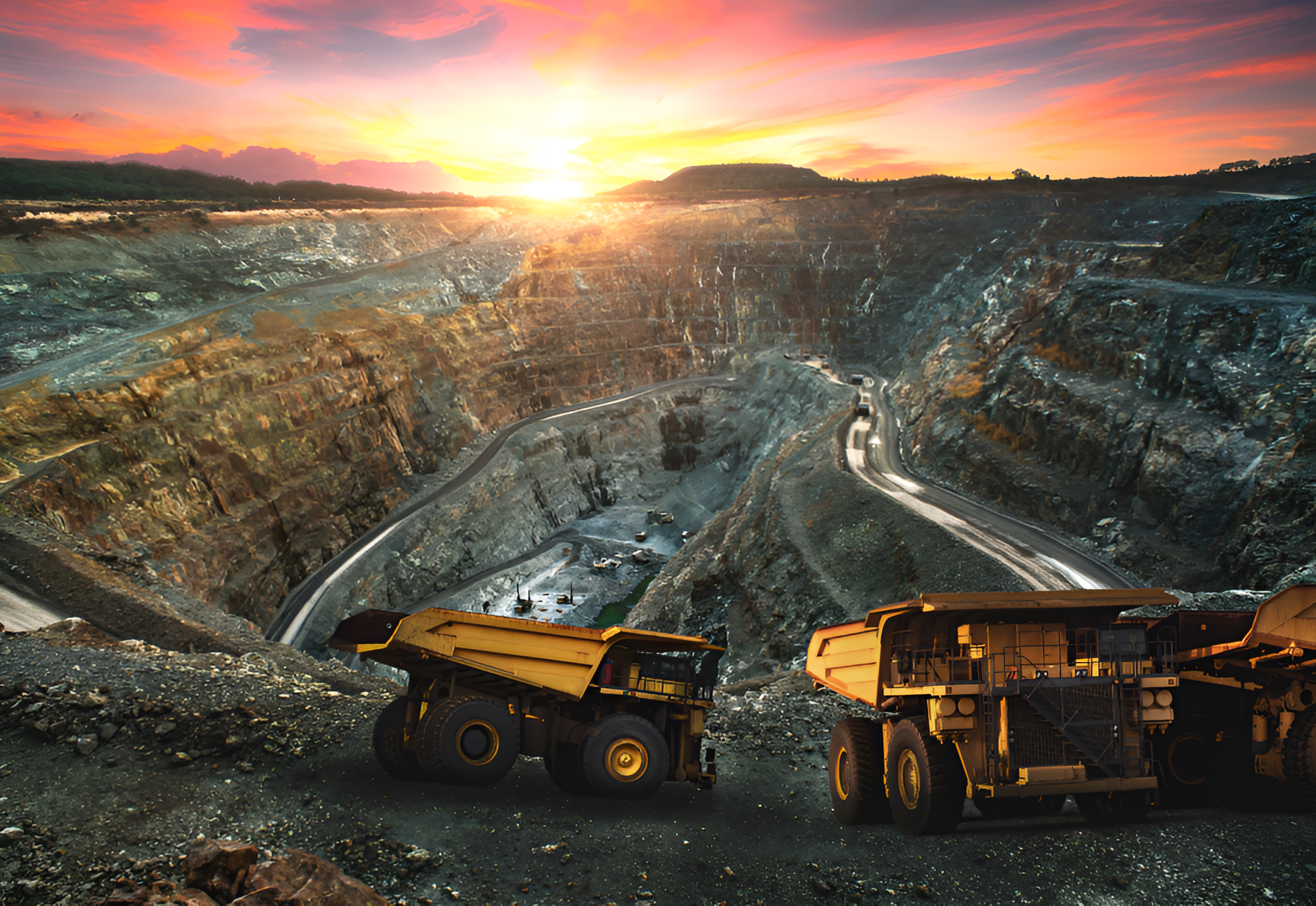
The environmental toll of Zimbabwe’s current mining practices is both alarming and far-reaching. In regions such as Mazowe and Shamva, widespread illegal gold mining has left behind severely scarred landscapes, turning previously fertile and green areas into barren, crater-filled wastelands. The damage is clearly visible through satellite imagery, highlighting the scale of degradation that has gone largely unchecked. This destruction is not only visual — it carries serious ecological consequences.
Hazardous chemicals used in gold processing, such as mercury and cyanide, have seeped into the water bodies, endangering aquatic ecosystems and putting downstream communities at serious health risk.
- Putin exacerbates Africa’s food crisis
- Internet gags costing Africa US$2bn in revenue
- Big send-off for Cont Mhlanga
- Society must change its negative perception on disability
Keep Reading
Despite existing environmental laws, enforcement remains weak, allowing destructive practices to continue with minimal accountability. Without urgent reform and stronger oversight, the environmental costs of mining will continue to escalate, undermining both public health and long-term national sustainability.
The difference between Zimbabwe’s mining trajectory and that of other African nations is increasingly evident. Countries like Botswana have shown how mineral wealth can be harnessed for inclusive national development through strategic partnerships, such as its long-standing and well-managed collaboration with De Beers. This model has enabled Botswana to develop local diamond processing industries while maintaining strong environmental and governance standards. Similarly, Tanzania's bold mining reforms under the late President John Magufuli, though contentious, demonstrated a deliberate effort to renegotiate imbalanced contracts and reclaim greater national benefit from the country’s natural resources.
Another emerging example is Burkina Faso under the leadership of Ibrahim Traoré, where the emphasis on resource sovereignty and equitable distribution is gaining attention across the continent. Their approach promotes national control over mineral wealth while still engaging selectively with foreign partners, showing that resource nationalism can coexist with responsible investment. These examples offer Zimbabwe key insights into how policy, political will and transparency can shift a mining sector from one that enriches a few to one that supports national development. If adopted carefully, such models can guide Zimbabwe towards a more just and sustainable management of its vast mineral endowments.
Fundamentally, addressing the deep-rooted challenges in Zimbabwe’s mining sector requires more than surface-level adjustments. The outdated Mines and Minerals Act, which has remained largely unchanged for decades, must be urgently modernised to reflect current realities and international best practices.
A key part of this reform should include mandatory transparency in all mining contracts, including the public disclosure of beneficial ownership, revenue flows, and terms of agreement, to prevent corruption and ensure accountability.
Communities directly affected by mining operations must also be legally guaranteed a share of the benefits through enforceable community benefit agreements that go beyond token gestures.
Equally critical is the overhaul of the environmental regulatory framework. The Environmental Management Agency lacks the authority, independence and resources it needs to effectively monitor and enforce compliance. Strengthening the agency’s mandate is essential if Zimbabwe is to reverse the damage already done and prevent further environmental degradation. Additionally, rehabilitation bonds paid by mining companies must be calculated based on the actual costs of restoring damaged ecosystems, rather than on arbitrary estimates. Companies that violate environmental laws should face serious legal consequences, including criminal liability. Without these fundamental reforms, Zimbabwe’s mining sector will continue to operate in a manner that benefits a few while burdening communities and future generations with irreparable harm.
Zimbabwe’s potential for mineral beneficiation remains largely unrealised despite having a strong foundation of educational institutions and technical expertise. With establishments like the Zimbabwe School of Mines and multiple universities producing skilled professionals annually, the country possesses the human capital needed to build a robust processing industry. However, the lack of political will and inadequate investment in processing infrastructure mean these talents often serve foreign interests rather than contributing to domestic economic growth.
As the ongoing environmental destruction and social upheaval unfold, the powerful words of the late environmentalist Wangari Maathai ring ever truer: “The generation that destroys the environment is not the generation that pays the price.”
Zimbabwe’s mining sector urgently requires bold and transformative change to ensure its mineral wealth benefits all citizens — not just now, but for future generations as well. The era of empty promises and vague commitments is over. What Zimbabwe needs now is decisive, transparent action to safeguard its natural heritage, guarantee fair sharing of mineral revenue and build a mining industry grounded in sustainability.
Without such change, the country risks continuing the unchecked exploitation of its resources, leaving behind only devastated landscapes and polluted rivers for those who come after us. The choice and the responsibility rest with every one of us.