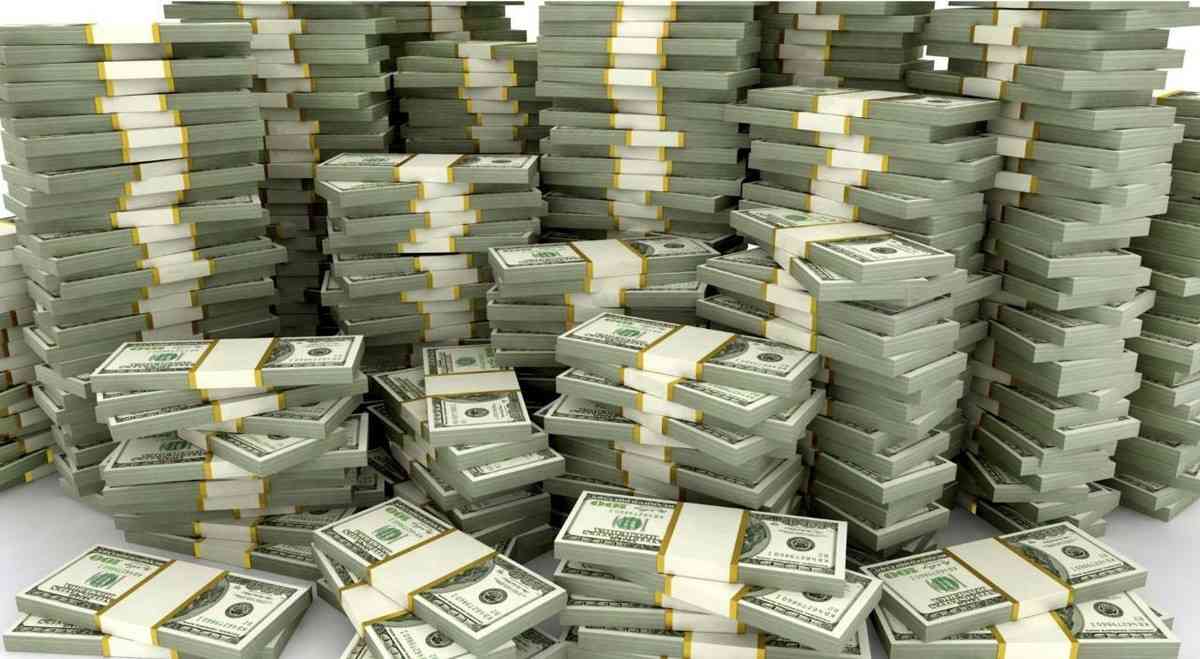
MONEY is one of the most talked-about subjects in the world, yet one of the least understood.
Everyone wants more of it, but very few know how to grow and keep it.
We admire wealthy people, follow their lifestyles and read their success stories, but we often overlook one of the most fundamental traits that has built fortunes across history: stinginess.
It might sound unappealing, even selfish, but the fastest way to wealth is learning how to be stingy.
To be clear, stinginess in this context is not about refusing to help others or hoarding money to the point of misery.
Rather, it is about practising strict financial discipline —guarding your resources, spending consciously and always prioritising growth over indulgence.
It is about controlling money instead of allowing money or worse, other people, to control you.
The average person equates success to visible consumption — driving flashy cars, living in luxurious houses or showing off designer clothes.
- What is an excellent crypto wallet made of?
- New perspectives: Combating money laundering in real estate
- New perspectives: How Zimbabwe can effectively fight money laundering
- New perspectives: Combating money laundering and terrorist financing
Keep Reading
Yet, most of these people are drowning in debt, living paycheck to paycheck or struggling to fund retirement.
On the other hand, the truly wealthy are often those who delay gratification.
They are stingy in the sense that they resist the urge to spend every dollar they earn.
Instead, they save more, invest more and create systems that make their money multiply.
The psychology of stinginess is powerful.
A stingy person naturally avoids unnecessary debt.
They do not borrow to impress, nor do they spend to prove a point.
Debt is a trap that keeps millions enslaved to banks and lenders, preventing them from ever accumulating real wealth.
By being stingy, one avoids this trap and ensures that every cent works towards long-term goals.
Consider the habits of billionaires.
Many of them lived frugally long before they became rich.
Warren Buffett, one of the world’s wealthiest men, famously still lives in the modest house he bought long back.
Mark Zuckerberg, despite being a billionaire, is known for wearing simple clothes daily and living an ordinary life.
These examples are not about denying themselves comfort; they are about valuing money and focusing on its multiplication before consumption.
They are stingy with unnecessary spending, which allows them to be generous later — on their terms.
That is another point critics of stinginess miss: wealth comes in stages.
The rich are not generous first; they are stingy first.
They protect their capital, grow it and then give it away through philanthropy or investment in community projects.
You cannot pour from an empty cup and you cannot meaningfully help others when you are broke.
Stinginess, therefore, is not selfishness — it is preparation.
Moreover, being stingy protects one from the so-called financial parasites.
These are the people who appear only when they know you have money: distant relatives with sudden emergencies, friends with endless “borrowings” or acquaintances with “get-rich-quick” schemes.
A stingy person learns to say no, to guard their wealth like a lion protects its cubs.
They understand that giving recklessly does not help anyone in the long run.
Instead, disciplined management of money creates a strong foundation from which one can sustainably help others.
Another overlooked advantage of stinginess is the shift in mindset.
Stingy people think like investors, not consumers.
They see every dollar as a seed that can grow into a tree if planted wisely.
Instead of rushing to buy the latest iPhone, they invest the money in land or a business idea.
Over time, these small, disciplined decisions compound into real wealth.
The consumer mindset, on the other hand, is a treadmill — running hard but going nowhere, trapped in endless cycles of spending.
Of course, critics will argue that life is short and money should be enjoyed.
There is truth in that. Wealth should bring comfort and freedom.
But enjoyment without discipline leads to financial ruin.
The key is balance and stinginess provides that balance.
It ensures that enjoyment today does not destroy tomorrow’s security.
It allows one to live within their means, build reserves and prepare for the uncertainties of life.
Ultimately, wealth is not just about income — it is about habits.
Two people may earn the same salary, but the stingy one will save, invest and build a future, while the reckless spender remains stuck in financial struggles.
Stinginess is, therefore, the great differentiator between those who stay broke and those who rise to financial independence.
In conclusion, the fastest way to richness is being stingy.
Stinginess is financial discipline disguised under an unpopular name.
It is the art of saying no to unnecessary spending, resisting debt, focusing on investment and protecting your money.
The richest people alive did not become wealthy by being generous first; they became wealthy by being stingy first.
They guarded their money, multiplied it and then shared it.
If you want to change your financial story, do not fear being called stingy.
Embrace it, respect your money and let it work for you.
In time, your stinginess will not only make you rich — it will give you the freedom to live and give on your own terms.
Cliff Chiduku is the director of marketing, information and public relations at Manicaland State University of Applied Sciences in Mutare. He writes in his personal capacity. Feedback: Call/App +263775716517.