Zimbabwe's annual inter-university staff games will for the first time formally place traditional games such as nhodo,goalball alongside paralympic disciplines.
The games open at Great Zimbabwe University's Mashava Campus on July 19, in what organisers describe as a deliberate move to rescue heritage-based recreation from the margins of Zimbabwean sporting life.
The week-long tournament, running from July 19 to 26 in Masvingo province, will bring together between 800 and 1,000 participants drawn from all 10 State universities, two private institutions, the Zimbabwe Council of Higher Education (ZIMCHE), and the Ministry of Higher and Tertiary Education.
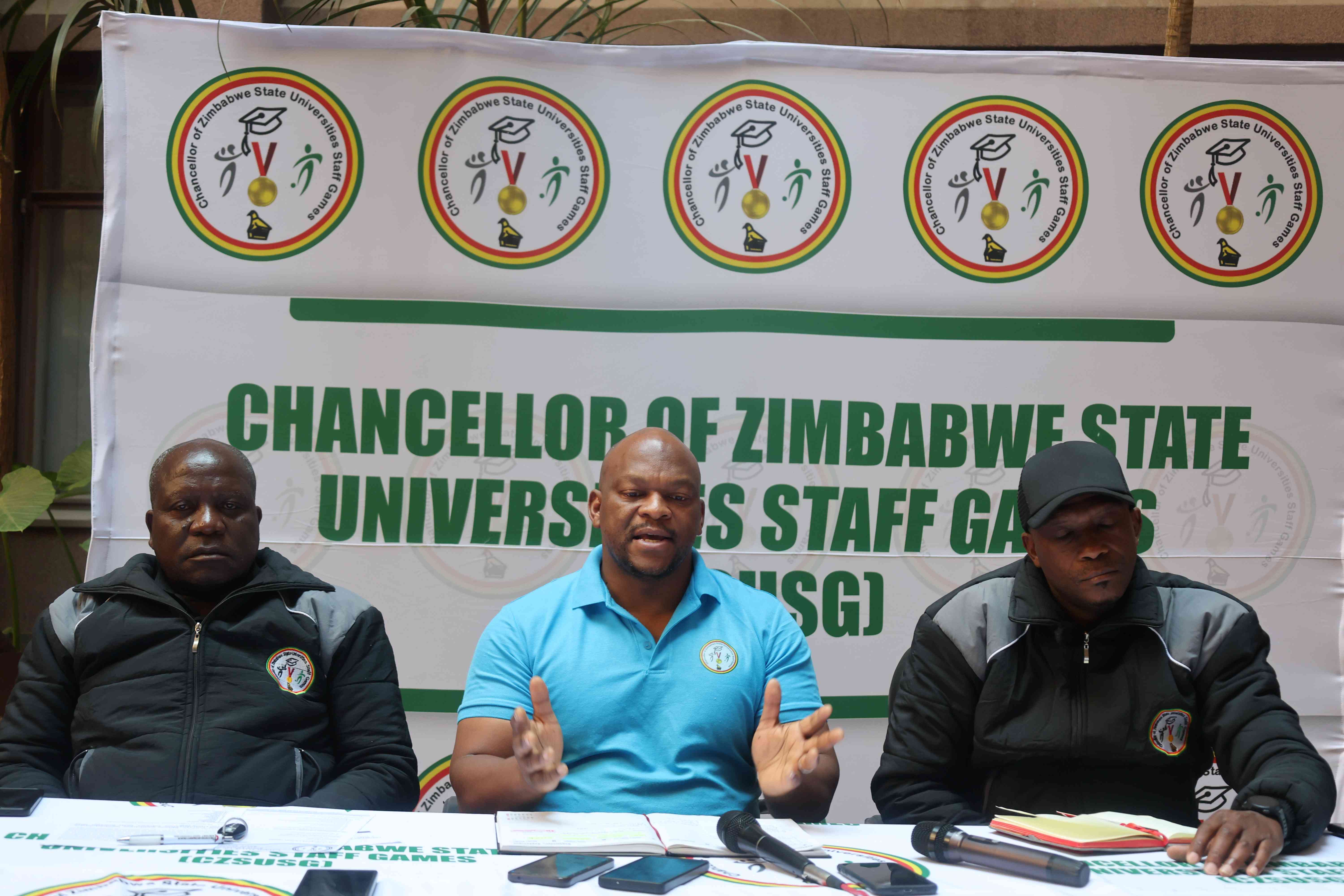
Addressing journalists in Harare on Tuesday, the games' spokesperson Tichaona Lloyd Mwadiwa said the incorporation of traditional games reflected an institutional recognition that Zimbabwe's indigenous sporting heritage risk being lost entirely to younger generations.
"We have heritage-based games that we have in Zimbabwe. For example, we have games that are traditional, so that we also encourage and promote those games through our tournament," Mwadiwa said.
Nhodo, a stone-tossing game rooted in Shona culture in which players use a large smooth stone called a mbuga to clear small pebbles from a circle through ten progressively difficult stages, has historically been played informally by children, and was considered primarily a game for girls. Its elevation to a formal competitive discipline within a university sporting programme represents a significant shift in how the game is perceived and played in Zimbabwe.
The games' traditional segment will culminate in a closing ceremony themed around a bamboo harvest, in which teams from all participating universities will perform dances that celebrate the harvest -a competitive cultural expression to anchor the tournament's broader heritage mission.
The tournament's national deputy chairperson Mapfumo Tafirenyika confirmed that goalball and athletics field events would be formally contested at the games, with the national organising committee also committing to donate a full set of paralympic sports equipment to the University of Zimbabwe as part of an ongoing rotational programme.
- Leap-year birthdays …Meet people who only celebrate birthdays once in four years
- Leap-year birthdays …Meet people who only celebrate birthdays once in four years
- In the groove: ‘Devera Ngwena’ resurfaces at GZU graduation ceremony
- Rori trades pen for microphone
Keep Reading
The National University of Science and Technology received similar equipment donation last year. Nyika said the equipment would not be restricted to staff use but would be made available to students and surrounding communities.
"We have observed that our institutions of higher learning actually have got a gap when it comes to sporting facilities for these brothers and sisters of ours who are differently abled," Mwadiwa told NewsDay Live.
The Mashava Campus, a sprawling facility at the former Gaths Mine complex that Great Zimbabwe University has occupied since 2013, has capacity to house up to 3,000 delegates on site during the tournament. An on-site health team including ambulances and paramedics will be on standby throughout the week.
The games' national treasurer Josh Ndenge said the games are funded primarily through subscription fees paid by participating universities, supplemented by fundraising activities that include an annual dinner, and golf tournament targeting corporate leaders.
"This is a seven-day event, we have around 800 to 1,000 members who will be participating in different games. On top of that, we now have the traditional games, we now have the paralympic games, so it has increased our expenditure," Ndenge said.
Corporate partners including Old Mutual, POSB, FBC Bank and Old Mutual Medical Aid Society have provided financial backing, with POSB specifically funding the games' medals. Ndenge said this year's medals would bear an engraving of the Great Zimbabwe Monuments in recognition of the host province's cultural identity.
Participating state universities include Bindura University of Science Education, Chinhoyi University of Technology, Great Zimbabwe University, Harare Institute of Technology, Lupane State University, Midlands State University, Marondera University of Agricultural Sciences and Technology, Manicaland State University of Applied Sciences, the National University of Science and Technology, the University of Zimbabwe and Zimbabwe Open University. Private institutions such as the Zimbabwe Ezekiel Guti University and Women's University in Africa are also taking part in the tournament.