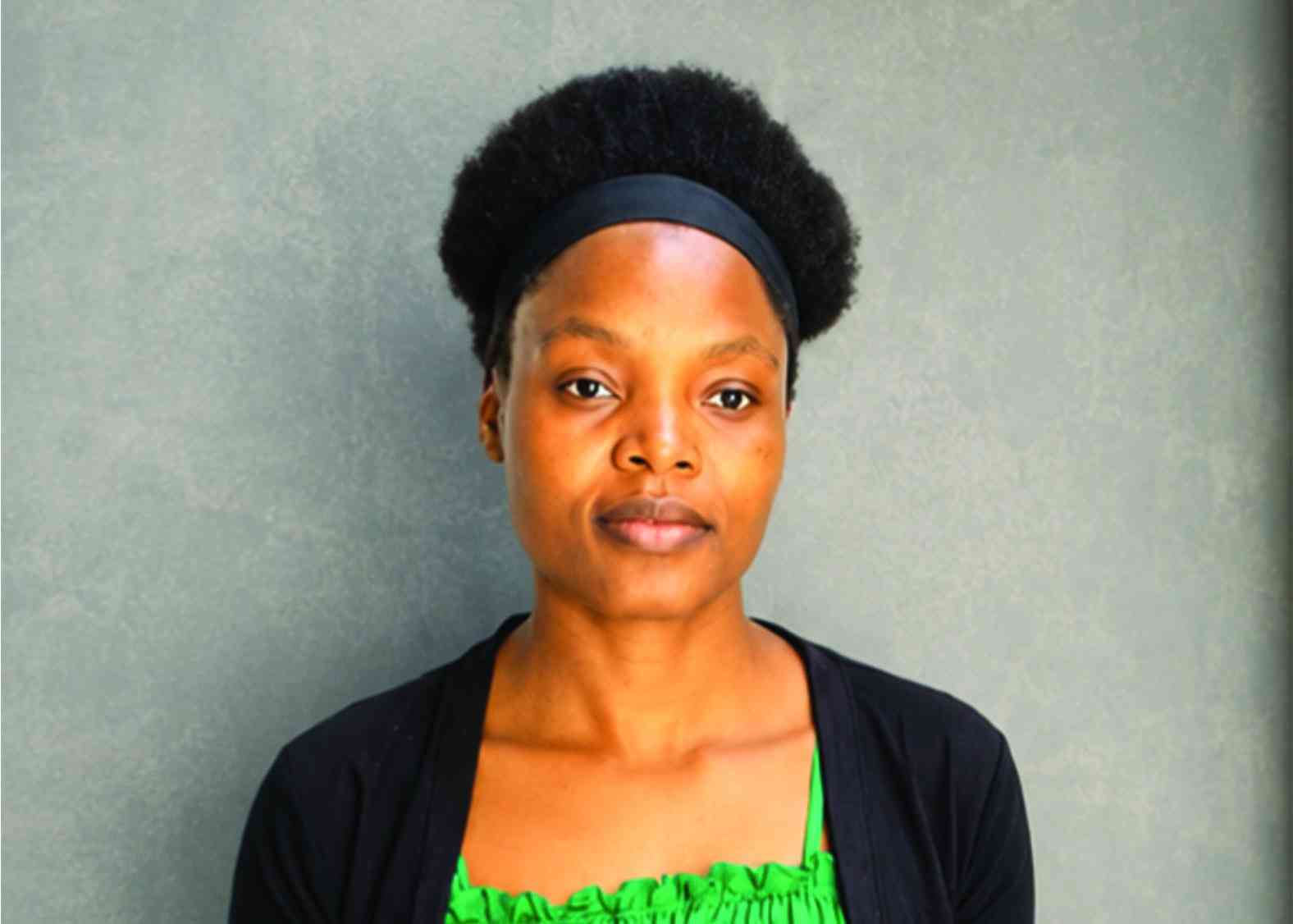
WHILE many men in Nyamadzawo Village in Bocha, Marange, make the long trek to nearby shopping centres to squeeze into crowded bars and makeshift viewing spots whenever a major football match is on, one man has found a far more comfortable alternative.
Relaxed on a plush sofa in his neatly furnished living room, Sibongile Mukwananzi’s husband leisurely sips an ice-cold beer from the family refrigerator as he follows the thrills and drama of an ongoing Fifa World Cup match on a state-of-the-art smart television connected to a digital satellite decoder.
A plate of freshly roasted chicken rests within arm’s reach on the coffee table, completing an atmosphere of comfort and contentment rarely associated with rural life.
The transformation did not happen by chance.
It is the result of the determination and entrepreneurial spirit of Mukwananzi, a beneficiary of the Catalysing Economic Development Through the Informal Sector (CEDIS) programme, which provides accessible and affordable financial services to underserved women.
Using a loan obtained through the initiative, she steadily transformed her family’s living standards, purchasing household assets that include elegant sofas, a refrigerator, a four-plate stove, a solar power system, a smart television and a decoder with a subscription to a leading satellite television service.
Today, while neighbours gather elsewhere to watch the beautiful game, the Mukwananzi family enjoys the luxury of entertainment, convenience and togetherness from the comfort of their own home.
For Mukwananzi, however, the greatest reward goes beyond material possessions.
She proudly says the investments have strengthened her marriage, with her husband no longer frequenting bars to watch football and drink beer.
Instead, he now prefers to spend his evenings at home with his family.
Mukwananzi joined the CEDIS programme through a partnership with VIRL Financial Services, a microfinance institution that identified mature, well-functioning and creditworthy internal savings and lending groups eligible to access, utilise and repay loans.
“I am happy to be a beneficiary of this programme. I was recruited as an agent and mobilised into three groups. We received leadership, marketing, financial literacy and entrepreneurship training. We became eligible to access loans,” Sibongile said.
“From the loans, I managed to buy household property, including sofas, a refrigerator, a four-plate stove, a solar power system, a smart television and a decoder complete with a subscription.
“The television has actually strengthened my marriage. My husband no longer frequents bars to watch football and drink beer. As of now, we are enjoying World Cup matches together. Because of this, he has chosen to spend more time at home with my family.”
Mukwananzi is among more than 30 000 marginalised women across Zimbabwe who have benefited from the US$6,3 million CEDIS programme, which has played a significant role in promoting economic stability and growth among vulnerable communities.
Funded by the Embassy of Sweden in Harare and implemented by Mercy Corps Zimbabwe in partnership with the Women Affairs, Community, Small and Medium Enterprises Development ministry, the four-year programme ran from July 1, 2022 and ends on June 30, 2026.
The initiative sought to improve incomes and strengthen the resilience of vulnerable women in urban and surrounding rural communities through sustainable informal and micro-enterprise livelihood projects.
CEDIS focused on enhancing incomes and economic resilience for female-led micro-enterprises operating in Zimbabwe’s informal sector.
Women entrepreneurs received training and support in key sectors such as agro-processing, waste management, small-scale manufacturing and renewable energy.
The programme empowered more than 30 000 women, enabling them to expand their businesses, increase monthly incomes and gain access to inclusive financial services.
Speaking during the programme’s close-out ceremony in Mutare recently, Women Affairs, Community, Small and Medium Enterprises Development minister Monica Mutsvangwa commended beneficiaries for their achievements and urged them to build on the gains realised through the initiative.
“I congratulate you on your achievements. I encourage you to continue applying the skills, knowledge and networks acquired through this initiative,” she said.
“The sustainability of these gains will depend on your continued commitment to entrepreneurship, innovation and business growth.”
She said her ministry remained committed to creating an enabling environment for enterprise development, financial inclusion and women's economic empowerment.
“Working together with government agencies, development partners and the private sector, we will continue providing business development services, mentorship, training, formalisation support, market access opportunities and financial linkages to strengthen the growth and sustainability of MSMEs.”
Mutsvangwa said the programme had advanced the government’s commitment to gender equality and women’s economic empowerment.
“Women remain central to Zimbabwe’s socio-economic transformation,” she said.
“Through targeted support to women entrepreneurs, women-led co-operatives and women participating in key value chains, CEDIS has demonstrated the important role women play in driving economic growth, strengthening households and building resilient communities.”
The minister also thanked the Embassy of Sweden, Mercy Corps and other implementing partners for supporting the initiative.
“I would like to express the sincere gratitude of the Government of Zimbabwe to the Embassy of Sweden, Mercy Corps and all implementing partners for their invaluable contribution towards the success of the CEDIS programme.
“Your support demonstrates the power of strategic partnerships in advancing Zimbabwe’s development aspirations under NDS2 and Vision 2030,” she said.
Swedish ambassador to Zimbabwe, Per Lindgärde said the programme’s core objective was to economically empower women and create sustainable livelihoods.
“Key themes highlighted by the embassy include economic empowerment focused on equipping women with business training, financial literacy and market linkages necessary to transition from subsistence activities to profitable, sustainable enterprises,” Lindgärde said.
He emphasised the need for systemic change to address gender inequalities and social norms that continue to disadvantage women at household and community level.
“It ensures women have a seat at the table in financial and leadership decisions.
“There is a need to strengthen the resilience of women operating in informal markets, enabling them to better withstand economic and environmental shocks.”
Mercy Corps Zimbabwe country director Mildred Makore said sustainability remained at the heart of the programme.
“The most important part of this programme is partnership,” she said.
“During the pilot phase, CEDIS facilitated change in the waste management, agro-processing and small-scale manufacturing sectors, while promoting the productive use of renewable energy.”
Makore added that the programme’s long-term impact would be sustained through strong partnerships among development agencies, government institutions and the private sector.
As the programme comes to an end, stakeholders expressed optimism that the skills, networks and opportunities created through CEDIS will continue to drive women-led entrepreneurship and contribute to Zimbabwe’s broader economic development agenda.