THE government has expressed concern over the dwindling number of educators coming out of teacher training colleges amid calls for communities to embrace technical and vocational training.
Many Zimbabweans are snubbing the teaching profession, which is facing a deepening socio-economic crisis characterised by poor salaries that fail to meet the cost of living, deteriorating school infrastructure and shortage of staff.
The gap between the poverty datum line (estimated to be well above US$600) and the average teacher’s salary (with a minimum base component often fluctuating between US$400 and US$500 plus allowances) leaves educators struggling to afford basic utilities, transport and healthcare.
Low wages frequently prompt unions like the Educators Union of Zimbabwe (EUZ) to issue strike ultimatums or declare incapacitation — an inability to afford transport to report for work.
Government is also facing recruitment challenges due to fiscal constraints, leaving public schools understaffed while high teacher-to-pupil ratios and the use of composite classes create heavy workloads.
Rural teachers face substandard living conditions, limited access to electricity and unstable internet connectivity, making it hard to integrate modern, digital-based pedagogies.
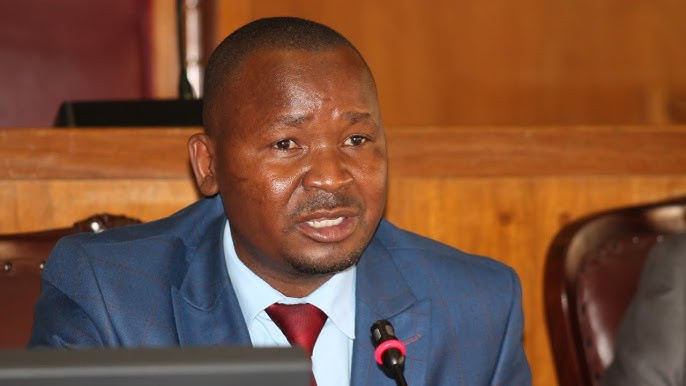
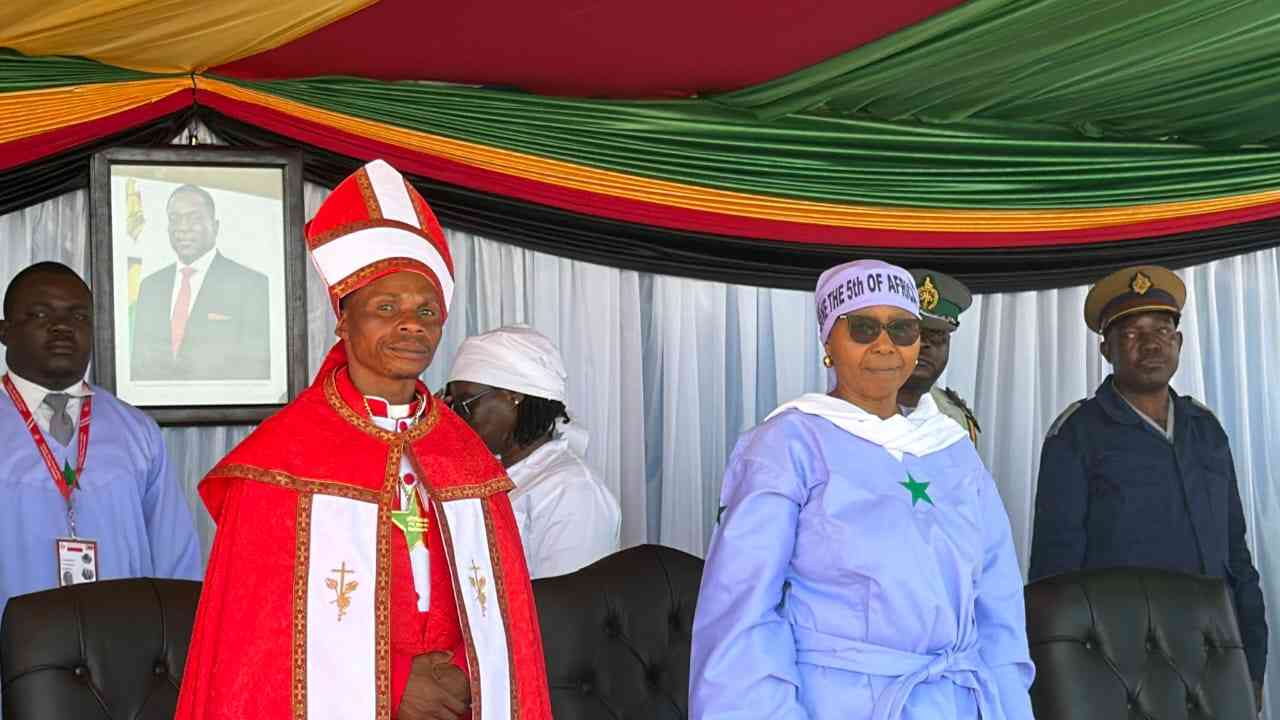
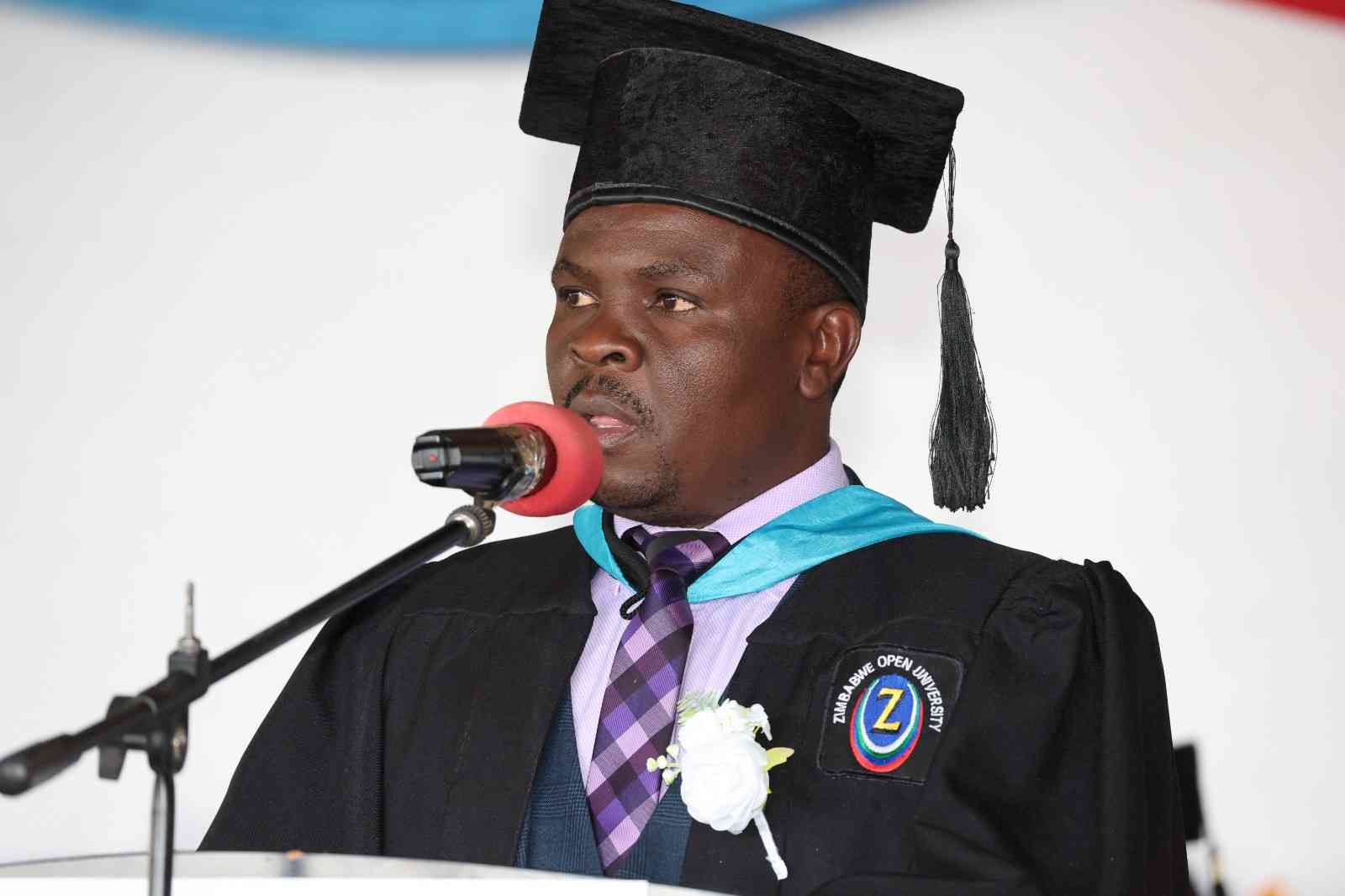
Officiating at the graduation ceremony of 151 student teachers who received Diplomas in Education at Nyadire Teachers College yesterday, Higher and Tertiary Education deputy minister Simelisizwe Sibanda said the number of graduands was worrying.
“Only 151 students are graduating — 132 female and 19 male — representing 87% female graduates, making Nyabire the only teachers’ college in Mashonaland province, producing the lowest figures nationally,” he said.
- Teacher unions blast free service move
- ED fires minister over tribal row
- I'm sorry, says fired deputy minister
- Bubi villagers protest minister’s sacking
Keep Reading
“When you look at our graduating figures for colleges this year, there is no college which is below 600. This is not a good picture for us as a province of Mashonaland, which is the hub of this nation.
“We challenge our communities in this great province to think about sending their children to this college, so that the teachers that we find in our province are people that are coming from our province.”
Sibanda, however, praised the college for embracing President Emmerson Mnangagwa’s Heritage-Based Education 5.0 model and establishing eight entrepreneurial business units focused on addressing local needs and stimulating economic growth.
Nyabire now offers Technical and Vocational Education Training (TVET) programmes, including National Certificate in Professional Cookery and National Foundation Certificate in Bakery and Food Preparation.
“We request that communities take this programme, that is, TVET, very seriously, looking at the number of students that are graduating today. It is very low,” Sibanda said.
“We believe in making sure that in every community, we find all the necessary skills so that whenever we need someone to do something within the communities, we don’t go to Harare.”
He said the college enrolled four students with disabilities and five under the government’s Web4Fees programme, urging strategic increases.
The deputy minister appreciated three graduate-led primary schools established in underserved rural communities of Uzumba-Maramba Pfunge, Mutombo and Chipe.