ANGLOPHONE Africa parliamentarians have pledged to unite and mobilise more domestic financial resources towards the fight against tuberculosis (TB), amid growing concern over declining international donor support for healthcare systems on the continent.
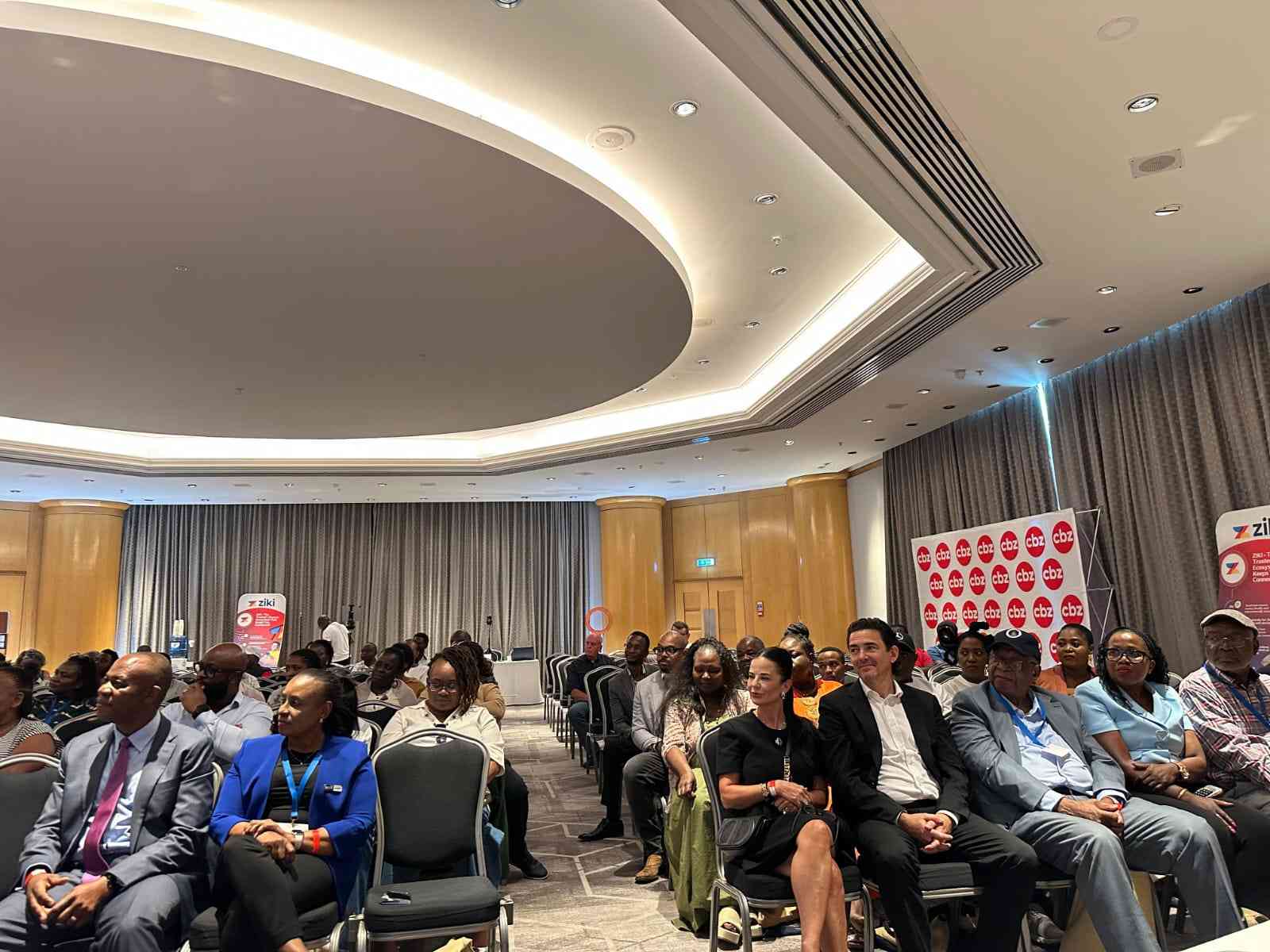
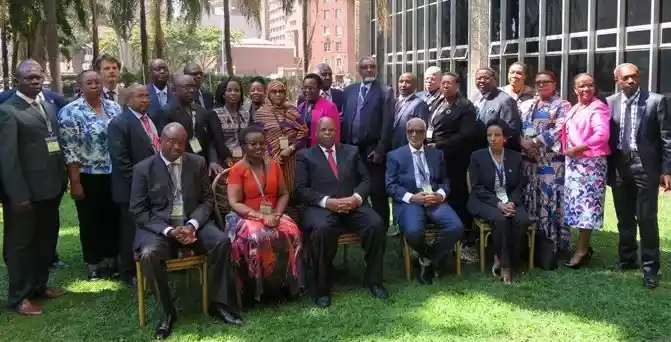
The 30 lawmakers made the commitment during a two-day meeting held in Cape Town, South Africa, hosted by the Global TB Caucus.
The gathering brought together chairpersons of parliamentary portfolio committees on Health and Budget/Finance from several African countries.
The legislators were drawn from Botswana, Eswatini, Liberia, Gambia, Ghana, Kenya, Lesotho, Malawi, Namibia, Sierra Leone, South Africa, Tanzania, Uganda and Zimbabwe.
Hwange Central legislator, Daniel Molokele, who attended the meeting in his capacity as co-chairperson of the Pan African Parliamentary Taskforce of Domestic Financing for Health, said African lawmakers were seeking sustainable local funding solutions for TB programmes.
“The pan African parliamentarians debated and adopted ideas on pragmatic and innovative strategies to help to promote viable and sustainable funding for TB mostly from the perspective of domestic financial resources,” he said.
Molokele said lawmakers agreed on the need to reduce Africa’s dependence on foreign donor support for public healthcare systems.
“The parliamentarians also called for an increase in domestic financing for health and further sought to reduce reliance on foreign funding for Africa’s public healthcare services, especially from a TB perspective,” he said.
- Nurses fume over paltry govt loans
- 'Apostolic sects frustrating fight against measles'
- Opinion: GZU School of Medicine should improve health service in Masvingo
- Mpilo doctors’ quarters rehab complete
Keep Reading
Molokele revealed that the outcomes of the meeting will soon be released publicly through the “Cape Town Outcome Statement on Health Financing, Innovation and Parliamentary Accountability”.
The discussions come at a time when Zimbabwe’s TB response is facing severe funding challenges.
According to Molokele, international donors currently fund between 60% and 70% of Zimbabwe’s TB programmes, while government support contributes about 7% of the required budget.
“With recent global donor funding cuts and the end of major USAid bilateral aid, health authorities warn that the TB response is highly vulnerable,” he said.
Despite broader international support for Zimbabwe’s health sector, TB-specific programmes remain significantly underfunded. Molokele noted that the funding crisis leaves around 15 000 TB cases unreached and untreated annually.
“According to Zimbabwe’s Ministry of Health and Child Care, the funding crisis leaves approximately 15 000 TB cases unreached and untreated annually, underscoring an urgent push for sustainable domestic financing,” he said.
Zimbabwe also continues to battle a heavy burden of TB and HIV co-infection, with nearly half of TB patients reportedly living with HIV.
“For example, it has been reported that about 49% of TB patients were living with HIV in 2024, placing Zimbabwe among countries with a high TB/HIV burden globally,” Molokele said.
He described TB as one of Africa’s oldest and deadliest epidemics, lamenting what he called years of inadequate attention and funding.
“Yet, TB has stood the test of time. Not only is TB one of Africa’s oldest epidemics, but it is also one of the deadliest,” he said. “No wonder why it has been nicknamed the ‘silent killer’ epidemic.”