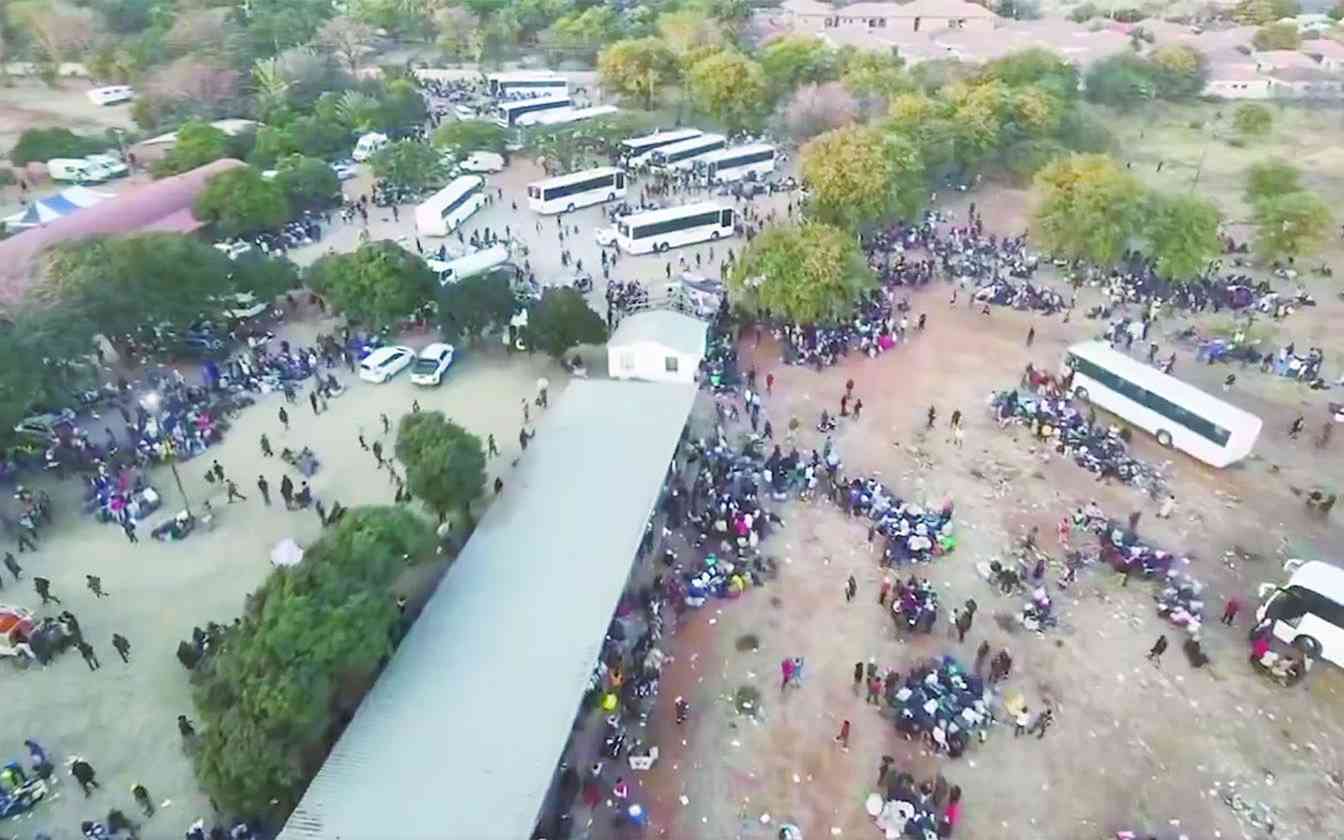
THE government has announced plans to review model building by-laws to develop a National Building Code designed to keep pace with new developments in the housing sector.
National Housing and Social Amenities permanent secretary Theodius Chinyanga revealed this while speaking at a workshop organised by Dialogue on Shelter in Harare this week.
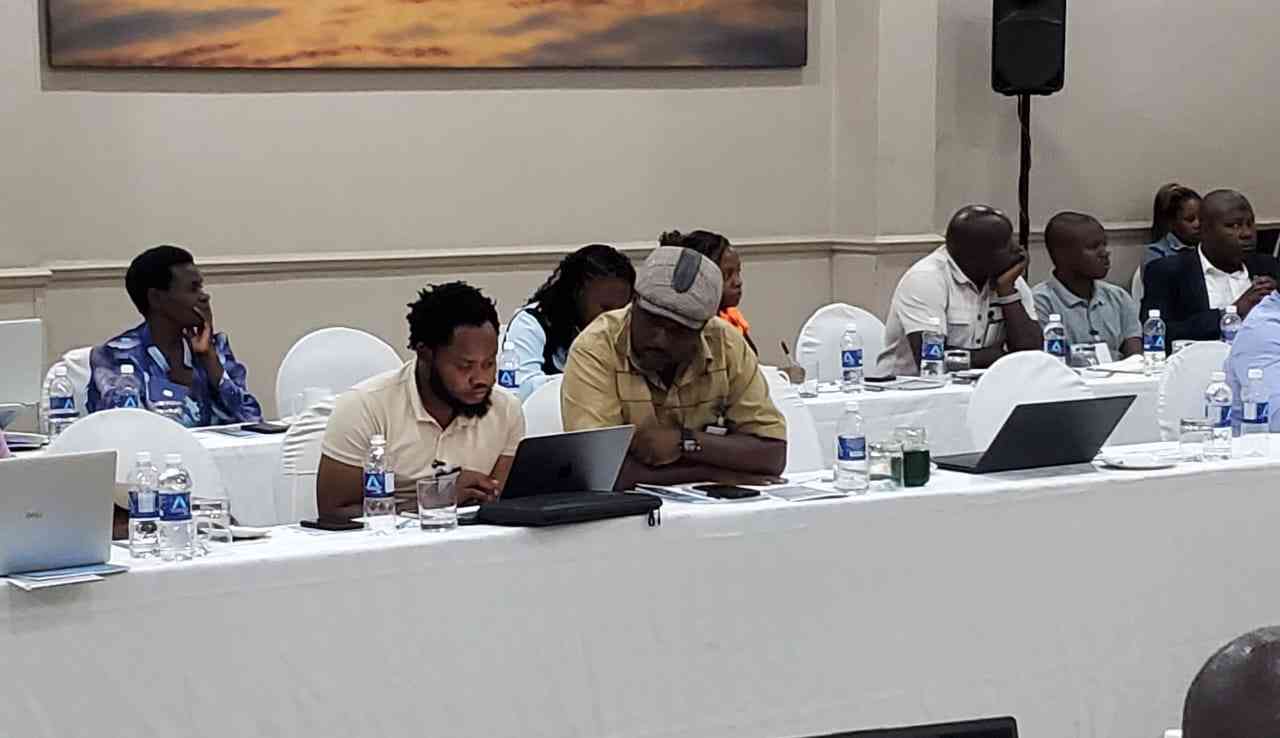
The workshop sought to examine the growing body of knowledge and practice surrounding small-scale rental housing in southern Africa.
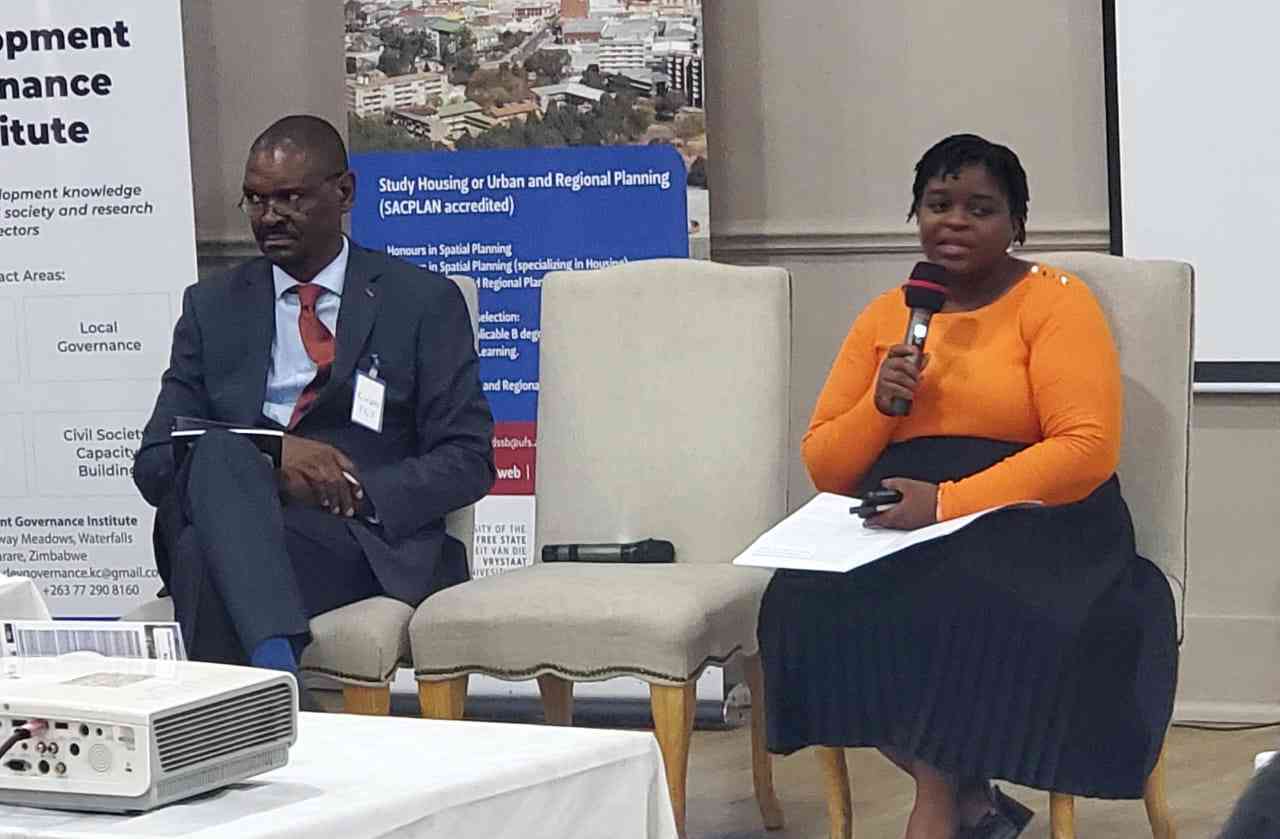
Chinyanga, in a speech read on his behalf by the chief director for estate development and maintenance, Kudzai Rimai, said the government was adopting a whole-of-government approach in the review process.
He added that the proposed code would have a direct impact on the small-scale rental housing market, as it influenced housing delivery by streamlining processes and specifications.
The move comes as Zimbabwe’s housing sector undergoes significant transformation, driven by increasing urbanisation, growing demand and the rise of small-scale rental investments.
The new framework is expected to boost supply nationwide by making it easier for developers to adopt cost-effective and modern building methods.
- We’ll meet housing target: Govt
- Courts, security forces belong to Zanu PF: Minister
- Courts, security forces belong to Zanu PF: Minister
- Housing backlog shoots to 2m
Keep Reading
Chinyanga also noted that provisions under Statutory Instrument 32 of 2007 (Rent Regulations) were reviewed to reflect changes in the sector.
“Of note is the fact that there were certain provisions in the rent regulations which were meant to serve a certain purpose at the time of crafting, but have since been overtaken by events.”
He indicated that the instrument initially liberalised rental collection for a maximum of 10 years without Rent Board interference, allowing property owners time to recover their investment.
“However, this provision has since been reviewed to 25 years to allow more players to come on board in terms of rental housing provision,” he added.
Under the new provisions, the Rent Board steps in to determine fair rental charges in the event of disputes after the 25-year period.
Currently, rent boards are operational only in Harare Metropolitan and Midlands provinces, with plans underway to roll them out to all provincial capitals.
Abraham Matamanda from the University of Free State said the housing sector had been under-researched despite its growing importance.
“It has been neglected by research and policy, but more attention is now coming,” he said.