HARARE, Mar. 18 (NewsDay) – Zimbabwe is transitioning from traditional donor support to sustainable financing models, with government, business and development partners outlining new approaches at a high-level United Nations Development Programme (UNDP) consultative meeting in Harare.
The discussion, moderated by UNDP Zimbabwe Resident Representative Dr Ayodele Odusola, focused on shifting from short-term funding to long-term financing under the proposed Country Programme Document (CPD) 2027–2031.
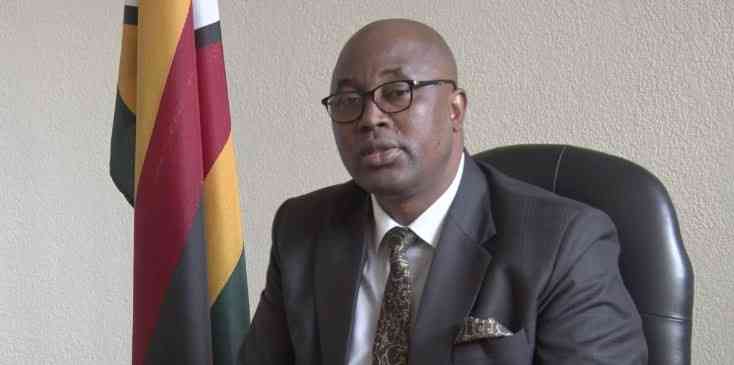
Secretary for Presidential Affairs and Devolution in the Office of the President and Cabinet, Engineer Tafadzwa Muguti, said Zimbabwe must rethink development support as financing rather than free aid, introducing what he termed a “payback rule”.
“Currently, almost everything from development partners is treated as free. That’s where we are getting it wrong,” he said.
Muguti added that programmes such as village business units should operate as commercial entities capable of generating returns.
“We need to move away from social contracts towards commercial contracting so that output has economic value and a market,” he said.
He also stressed the need for policy consistency, stronger monetary and regulatory frameworks, and blended financing models combining government, development finance institutions and the private sector.
Zimbabwe National Chamber of Commerce (ZNCC) CEO Chris Mugaga said the country’s predominantly small-scale economy requires tailored financing models.
- Power crisis hits Proplastics factory
- ZRBF rescues hunger-prone communities
- Women urged to take advantage of Women’s Bank
- Half of Zim youths loafing: ZimStat
Keep Reading
“Most businesses need less than US$600 000, which shows the economy is largely small-scale,” he said.
Mugaga emphasised that access to markets is as critical as financing.
“The best form of funding now is market access. Without demand, financing deals don’t make sense,” he said.
He cited key challenges including high borrowing costs, limited access to affordable credit and exchange rate risks, calling for concessional and longer-term capital, as well as local currency funding.
African Development Bank (AfDB) Country Manager Eyerusalem Fasika said the shift is necessary as donor resources decline.
“We have relied on donor funding, but it is drying up. We must think differently,” she said.
Fasika urged Zimbabwe to mobilise private investment — domestic, foreign and diaspora — and adopt innovative instruments such as infrastructure and diaspora bonds.
She added that macroeconomic stability, debt resolution and a conducive investment climate are essential to unlocking long-term financing.
“It is important to maintain macroeconomic stability and create an environment that supports private sector investment,” she said.