IN a remarkable display of youth-led advocacy, the 2025 Youth Summit on Sexual and Reproductive Health and Rights (SRHR) in Zimbabwe has charted a clear path forward for equitable service delivery, notes a report.
The report, titled Youth-Driven Initiatives for Equitable SRHR Service Delivery — A Conversation About Access (Part 2): Progress, Accountability and Action, notes that building on the momentum of the 2024 Call to Action, this year’s summit brought together young people and key stakeholders to review progress, demand accountability and co-create a sharpened agenda for change.
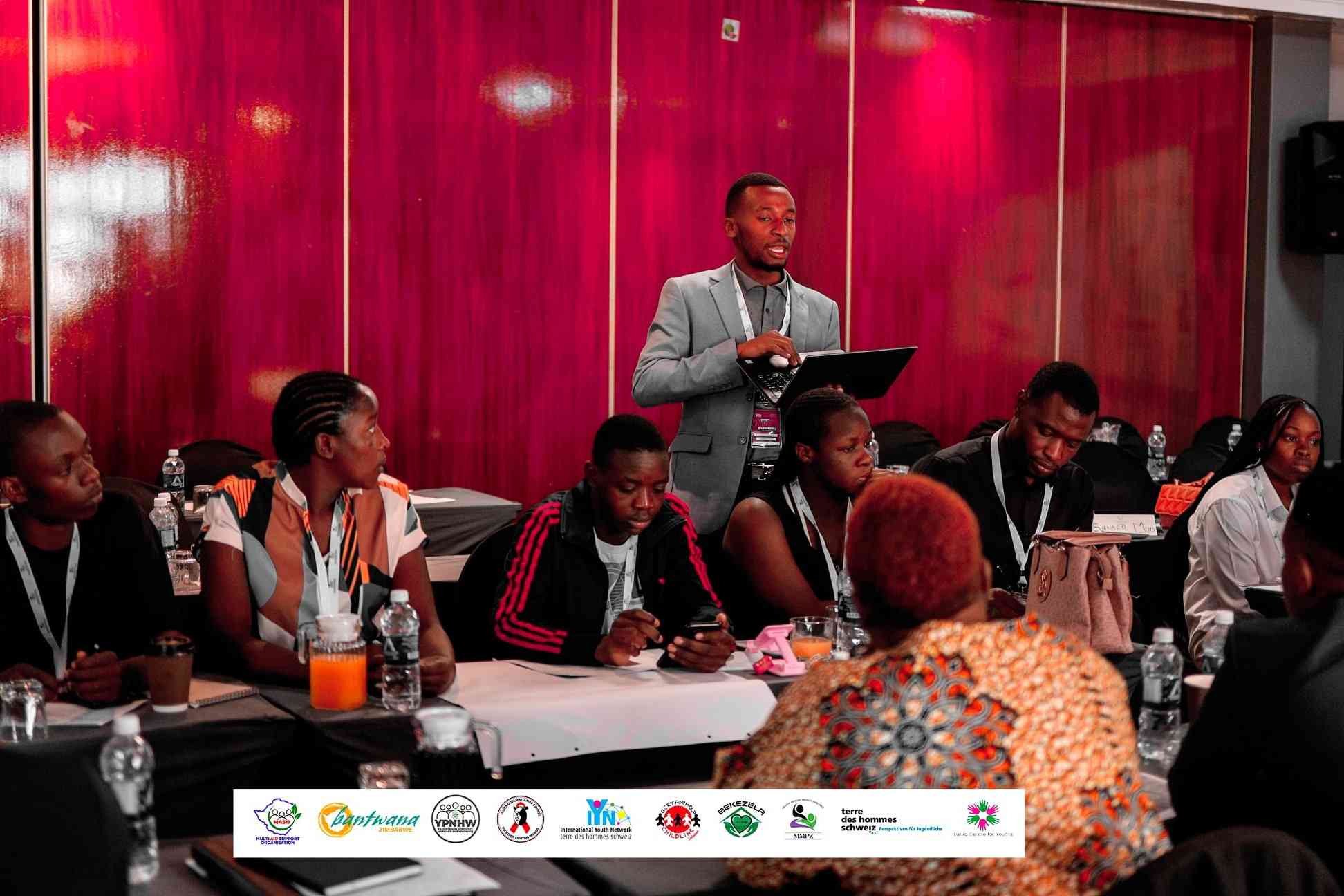
The two-day event, held in Bulawayo recently, was a testament to the growing maturity and influence of Zimbabwe’s youth-led SRHR movement.
With over 105 participants, including 35 representatives from government ministries, civil society and development partners, the summit showcased the power of meaningful inclusion.
“The 2025 summit affirms that young people are trusted as partners in governance,” said Thando, a young advocate.
“We engaged duty bearers with clarity, evidence and realistic expectations, and they responded through dialogue and written commitments.”
Indeed, the summit produced four key outcomes that will shape the path forward.
Firstly, young people and stakeholders co-developed portfolio-specific Key Asks, ensuring that the demands are grounded in the realities faced by communities.
- SAYWHAT’s peer education arm touches young girls
- SAYWHAT’s peer education arm touches young girls
- Sweden chips in on youth sexual rights
- Child safety and protection
Keep Reading
Secondly, stakeholders signed commitment cards, clarifying accountability roles and paving the way for sustained follow-up and monitoring.
Thirdly, the summit documented tangible progress on the 2024 Call to Action, highlighting concrete engagements with various committees and ministries.
This progress report serves as a testament to the power of youth-led advocacy and the willingness of duty bearers to listen and respond.
Lastly, the summit strengthened the youth advocacy agenda, centring on data use, modernised training, menstrual health, social protection and health financing.
This sharpened focus reflects the nuanced understanding of the SRHR landscape and the determination to drive lasting change.
“The 2025 summit marks a critical step forward in Zimbabwe’s youth-led SRHR movement,” said Fatima, another young advocate.
“We’ve moved from mobilisation to progress review, accountability and implementation.
“This is a testament to the growing maturity and influence of our movement.”
Compared to the 2024 gathering, this year’s summit saw increased participation and broader institutional representation, signalling the growing recognition of youth leadership in SRHR governance.
As the commitments and Key Asks take shape, young people and their allies must remain vigilant, ensuring sustained follow-up, monitoring and collective responsibility.
The report, a collaborative effort compiled by the organisers and participants of the 2025 Youth Summit on SRHR in Zimbabwe, states that it “documents that journey, capturing progress achieved since 2024, persistent gaps and a sharpened youth agenda for equitable SRHR service delivery”.
“The 2025 Youth Summit on SRHR in Zimbabwe has set a new standard for youth-driven initiatives, demonstrating that when young people are trusted as partners, meaningful progress and accountability can be achieved.
“This watershed moment serves as an inspiration for youth movements across the region, paving the way for a future where equitable SRHR service delivery is a reality,” the report pointed out.
Additionally, the ongoing review of the National Health Strategy 2026-30 consultations has taken cognisance of the fact that SRHR priorities remain central to the discussions, ensuring that no young person loses their life to preventable SRHR challenges.