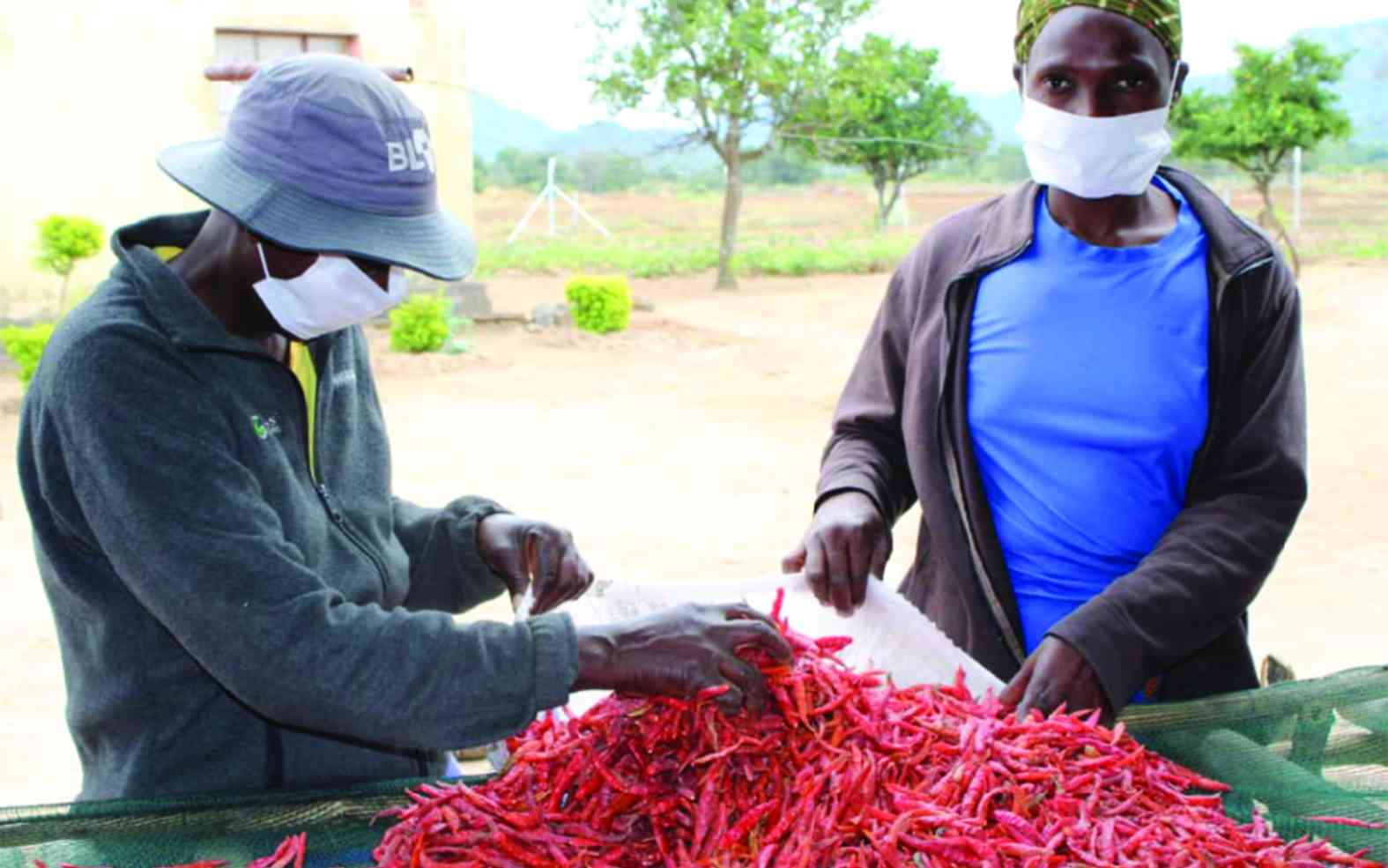
FOR decades, families in Chivi have battled the harsh realities of farming in one of Zimbabwe’s driest regions.
Located in Masvingo province, the district’s reliance on unpredictable rainfall has left households vulnerable to persistent food and nutrition insecurity.
Crop failures were common, forcing many to survive through menial jobs, barter and trade or migrating into neighbouring South Africa in search of better livelihoods.
But now, the story is shifting.
The establishment of the Gororo Irrigation Scheme under the Climate Adaptation Water and Energy Programme has sparked renewed hope for self-sufficiency and resilience.
Powered by solar energy and drawing water from the iconic Tugwi-Mukosi Dam, the 50-hectare scheme is a lifeline for 83 farmers, including 42 men, 30 women, six youths and five people living with disabilities.
When NewsDay Weekender visited the scheme implemented by the United Nations Development Programme in partnership with the Government of Zimbabwe and funded by the Foreign, Commonwealth & Development Office, optimism was evident.
“Before the scheme was introduced, we were farming on dry land with low harvests, heavily relying on natural rainfall,” David Madzivire, chairperson of the Gororo Irrigation Scheme, said.
- Another ETF lists on ZSE
- Markets overrating REITS: Masholds MD
- Hospital sends SOS for materials
- Inside Zimbabwe’s troubled mental hospital
Keep Reading
“We started by planting maize and sugar beans, which resulted in a bountiful harvest, unlike in previous years.”
Chivi lies in Natural Regions IV and V, areas known for low rainfall and frequent droughts.
For years, Chivi was a hotspot for food aid from organisations like the World Food Programme, CARE International and the Red Cross, as families struggled to avoid starvation.
Traditional leader Douglas Nhamo, also known as Sabhuku Mudzimba for ward 28, Chivi, said there has been remarkable success since the scheme’s establishment.
“Hunger is now a thing of the past, we are now professional farmers because we know how to carry out smart agriculture techniques,” he said.
“The community has embraced this project, and the scheme has become the breadbasket of Chivi.”
According to Paul Nyoni, an Agritex field officer and crop expert, the scheme has enabled farmers to grow high-value crops such as sugar beans and Michigan maize
varieties.
“The farmers have overcome the mid-dry spell and are now recording a surplus, allowing families to produce enough food and nutrients,” Nyoni explained, urging farmers to see farming as a
business.
Although it is categorised as Region V and remains a drought-prone area, its situation has been worsened by severe climate conditions.
Most of these communities are still struggling to recover from the adverse weather effects, which have impoverished many and turned them into hovels of poverty.
The Gororo Irrigation Scheme is more than just an agricultural project; it is a symbol of resilience against climate change.
By utilising renewable energy and modern farming methods, Chivi is rewriting its story from one of dependency to empowerment.