FOR villagers in Bwanya and Mwenezi, Masvingo province, achieving favourable yields was a pipe dream.
They were unaware of changing climate patterns, the type of crops to grow and when to grow.
As a result, most of them lived from hand to mouth.
Raviro Chinyama (66), a villager who is part of the Bwanya Irrigation Scheme where households gave up their land to form the 156-hectare scheme, is hopeful for a positive turn of events which she has been anticipating all her life.
“Our lives were difficult, we had little rainfall, our yields were very low. We are happy with the irrigation scheme and we are starting to see changes in our lives,” she said.
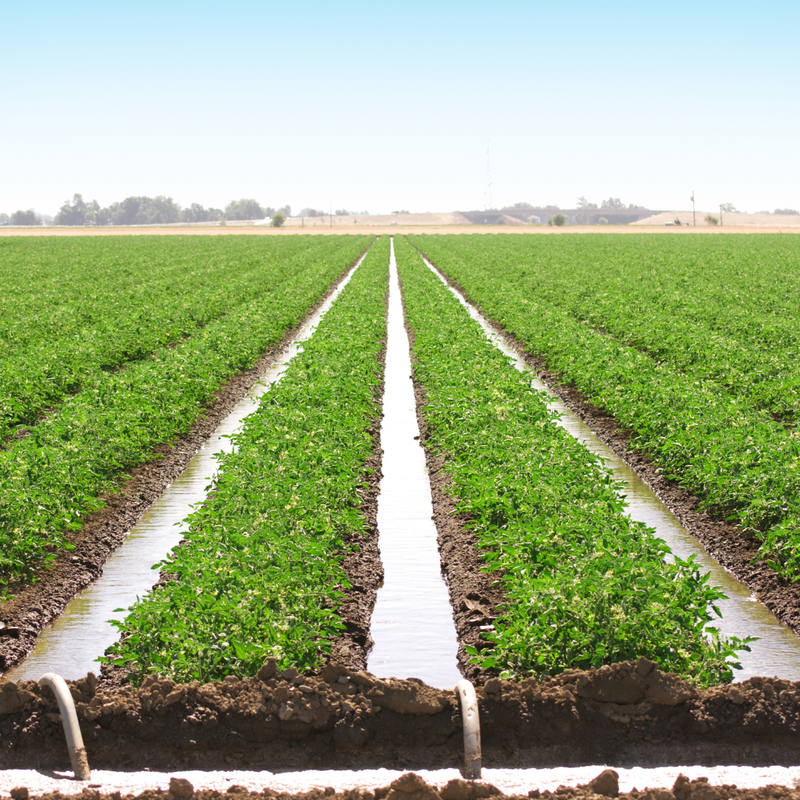
“We used to be very poor, with nothing to look up to, but as we were told, the irrigation scheme is our saviour. Now we can farm throughout the year. We have wheat which has become our marvel, because it is our first ever crop under the irrigation scheme. We have also secured a contract for bean farming with a leading baked bean manufacturer.”
They are rubbing their hands with glee for their first pay check.
They see it as a typical ‘knight in shining armour,’ their hope for revived livelihoods.
- 9 000 farmer field schools on cards
- COP26 a washout? Don’t lose hope – here’s why
- Out & about: Bright sheds light on Vic Falls Carnival
- I exposed ED, says Chamisa
Keep Reading
The villagers, during a visit to their scheme, jokingly equated the change in their lives to their ability to pay lobola, which they said was a challenge before as they had no source of livelihood.
“Our lives were difficult, it was hard to feed the family, let alone to pay bride price for our wives. We are pinning our hopes on the productivity of this project so we can manage to pay what we owe our in-laws and also send our children to school while making sure they have enough to eat at home,” said Faso Ginasio Mabhundu (42) another member of the irrigation scheme.
Wilson Mukatyei (59) said the scheme had come at an opportune time.
“We are happy as the project is set to change our lives. It is our hope to match standards of those who ventured into similar projects ahead of us. We learn from our mistakes and challenges, each experience is a learning curve and one day we will make it,” he said.
Manford Tedious, an Agritex officer working with scheme members said they were learning to deal with challenges as they come and were perfecting daily.
“This is our first time doing wheat farming. We faced challenges with our irrigation system but they have been solved. Most of the members lacked the knowledge on wheat farming, but they are learning day by day,” he said.
“We have 40 hectares of wheat while another 50 are being prepared for farming beans on contract. We also hope to start farming maize by the end of October.
“The farmers are giving their all as they are now starting to see the light. We are thankful for the support we received from partners and others as we are making progress.”
Bwanya village has had a fair share of climate-related challenges such that the idea of collectively farming with assistance with irrigation equipment and other inputs from government, United Nations Development Programme (UNDP) and Green Climate Fund (GCF) during the drought came as a relief to the villagers who relied on food aid for survival in the past.
Over 150km away, in the same province and under the same funding for irrigation, a similar model is being implemented, at Pikinini Jawanda Irrigation Scheme in Mwenezi district.
The farmers at the scheme are on a bean-seed farming contract with Seed Co and are pinning their hope on the success of the project.
Eurita Mahove (50), a member of the irrigation scheme said their lives had changed for the better since the inception of the irrigation project.
“We used to struggle for survival, with the coming of the irrigation project and partnership with Seed Co, we are looking forward to a successful and fruitful ending,” Mahove said.
“We are anticipating an end to hunger and other related challenges. We used to survive on one meal per day, but since we harvested our first maize crop we are providing meals to our children several times a day.
“We have also managed to pay their school fees and to buy what they need for school from proceeds of our first venture in the project where we grew maize.”
Mercy Vambire (24) said the irrigation scheme solved most of their problems.
“As youth in the scheme, we are happy that it has given us something to occupy us, raising money for our education in the process. The irrigation scheme has brought the much-needed hope and change in the village,” she said.
Shava Chizivano, Pikinini Jawanda Irrigation Scheme chairperson, said they used to face a lot of challenges before they ventured into the scheme with the help of the government and GCF under UNDP.
“Our relationship with Seed Co is improving and we look forward to doing more than this with them,” he said.
The scheme comprises 300 small-scale farmers from Pikinini village. On irrigation, they were assisted by the government and GCF under UNDP.
Mwenezi district is among the areas that were severely affected by the drought last year, leaving more than 270 000 people in need of food.
Located in ecological regions 4 and 5, the area receives very low rainfall, usually around 400mm per rainy season.
UNDP communications officer for the GCF programme, Pylaia Chembe, said the main aim of the projects was “to build climate resilience for communities, climate proofing them such that if the climate is not favourable, they can still produce”.
“Coming in with the irrigation scheme is to ensure that farmers produce something for the market and that they are food secure,” she said.
“At Pikinini Jawanda, the community has entered into a partnership with Seed Co and they are producing sugar bean seed. We are not ending here, we are looking forward to forging more partnerships with private companies.”
Seed Co Africa head of agronomy and extension services Wendy Madzura said her company had found it prudent to partner various stakeholders in the agriculture value chain to make sure the farmers get a fighting chance to mitigate the effects of climate change.
She said the government had been on a blitz to impart knowledge to farmers and empower them in terms of mitigation against climate change.
“As such, Seed Co is also partnering various irrigation schemes and institutions to make sure our farmers get the opportunity to have a ready market upon producing a particular crop,” Madzura said.
“Particularly in this case, we are looking at sugar beans. Contract farming reduces the risk of producing a crop that in the long run or in the long term fails to get a ready market or gets bought at a lower price. As Seed Co, we are on a mission to make sure that we give farmers contract farming opportunities.”
Whether these irrigation schemes will permanently lift the communities out of poverty remains to be seen — but for Bwanya and Pikinini Jawanda, hope is finally flowing again.