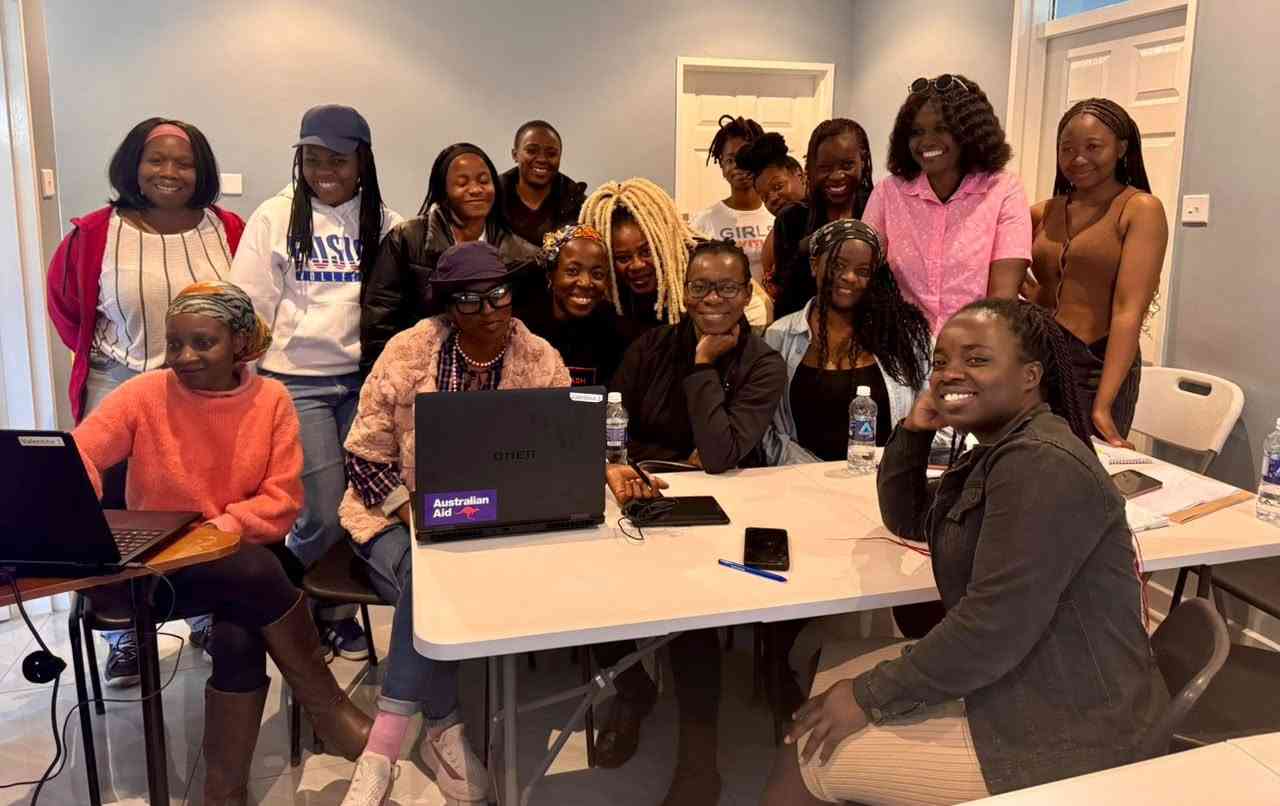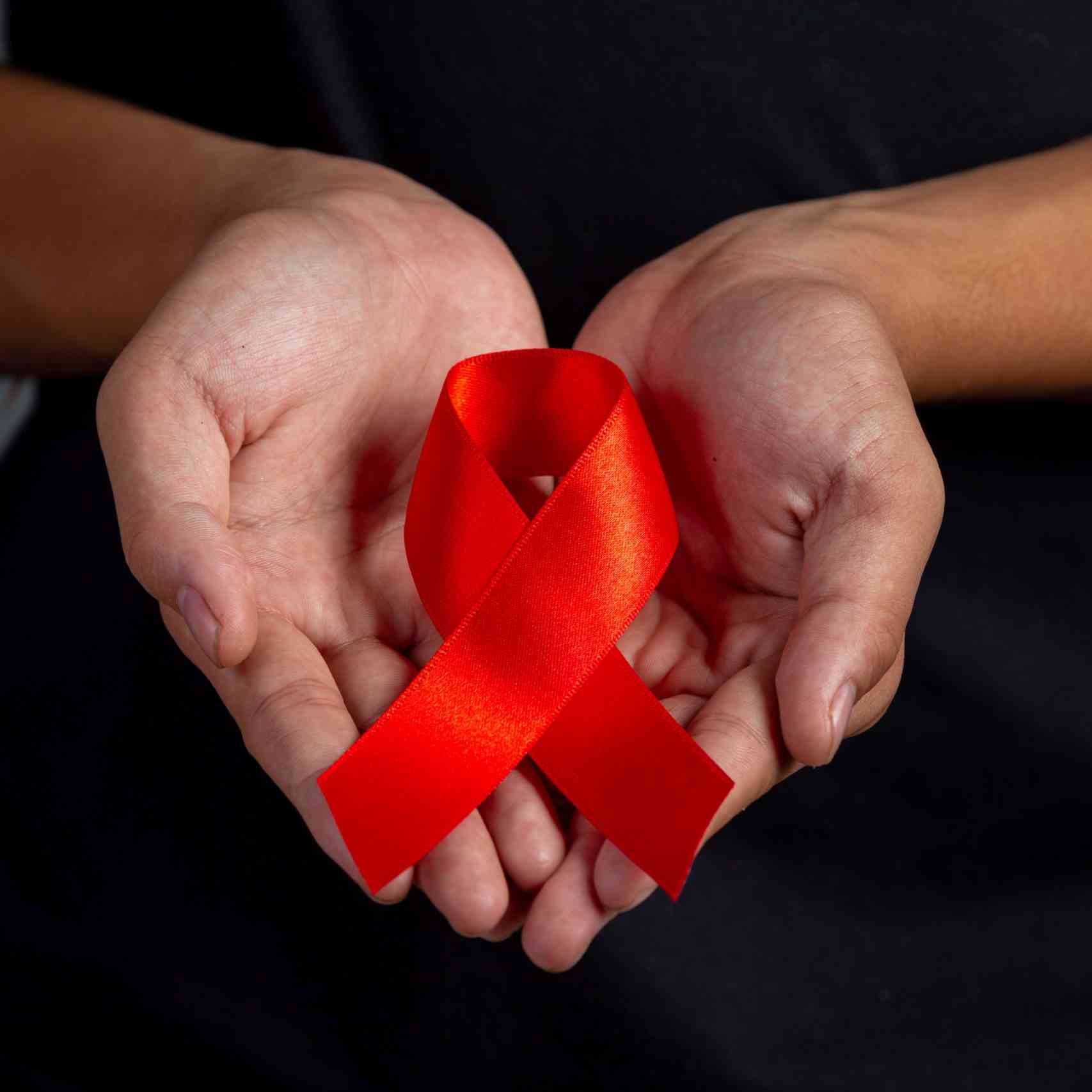
AT a small community centre in the heart of Harare, a group of women gather to share their stories, their voices equal parts of pain and power.
They are the invisible faces of Zimbabwe’s HIV epidemic — women living at the devastating intersection of disability and disease, their unique challenges long overlooked by policymakers and society alike.
“We are the forgotten ones,” says Rudo, a 42-year-old mother of three who has been living with HIV and a physical disability for over a decade.
“When it comes to accessing HIV services or fighting for our rights, we simply don’t exist.”
Rudo’s experience is all too common.
Across Zimbabwe, women with disabilities have grappled with compounded vulnerabilities, from heightened risk of contracting HIV due to sexual abuse and limited autonomy, to the immense struggle of navigating an inaccessible healthcare system.
And the pandemic has only exacerbated these disparities, cutting off a vital lifeline for many.
“The lockdowns made it nearly impossible for us to get to the clinic for our antiretroviral treatment,” recalls Siphiwe, a 28-year-old living with HIV and vision impairment.
- R. Kelly sentenced to 30 years in sex trafficking case
- Another ETF lists on ZSE
- In Full: sixteenth post-cabinet press briefing June 14, 2022
- New-look Beitbridge border impresses financiers
Keep Reading
“The transportation was inaccessible and we were too afraid to leave our homes.
“Many of my friends missed doses and saw their health deteriorate as a result.”
These are the stories that organisations like the Disability, HIV/Aids Trust Zimbabwe (DHATZ) have made it their mission to amplify.
Through grassroots advocacy and forging partnerships with social service providers, DHATZ is working to ensure the unique needs of women with disabilities are recognised and addressed in the national HIV response.
“For too long, our government and health authorities have treated disability and HIV as separate issues, failing to see the compounded challenges faced by this marginalised group,” says DHATZ executive director Tafadzwa Makoni.
“But we’re here to change that narrative.”
One of DHATZ’s key allies in this fight is the Department of Disability Affairs, which has thrown its weight behind the organisation’s efforts to advocate for inclusive policies.
“Women with disabilities are among the most vulnerable members of our society,” says department head Chipo Muponda.
“Their voices must be central to any conversation around HIV, sexual and reproductive health and disability rights.”
This alignment has opened doors for DHATZ to collaborate with private sector entities as well, tapping into a growing recognition of the business case for disability inclusion.
Take First Mutual Life, one of Zimbabwe’s leading insurance providers, which has partnered DHATZ to develop tailored HIV and wellness programmes for women with disabilities.
“We realised that this community was being left behind, not just in terms of healthcare access, but also financial security,” explains Rudo Mawere, First Mutual Life’s head of corporate social responsibility.
“By working with DHATZ, we’re able to provide life insurance, critical illness cover and other vital products that empower these women to live with dignity and plan for the future.”
Beyond the private sector, DHATZ has also found allies in the medical community, forging ties with organisations like Cimas, one of Zimbabwe’s largest healthcare providers.
“It’s unacceptable that women with disabilities face such immense barriers to getting tested, treated and supported for HIV,” says Moyo, Cimas’ chief medical officer.
“We’re committed to training our staff on disability inclusion and ensuring our clinics are physically accessible.”
Yet, for all these partnerships and pledges of support, the women of DHATZ know that real, sustainable change will only come when their own voices are heard and heeded.
That’s why the organisation has prioritised building the leadership and advocacy skills of its members, equipping them with the tools to demand accountability from policymakers.
“We’ve had enough of being sidelined and ignored,” declares Siphiwe, her eyes burning with determination.
“Now, we’re taking our fight straight to the top — to the halls of Parliament, to the Ministry of Health.
“They will listen to us, because we refuse to be invisible any longer.”
It’s a sentiment echoed by Rudo, who has become a vocal champion for the rights of women with disabilities within her community and beyond.
“I’m done being ashamed, done feeling like I'm a burden,” she says, her fingers tracing the braille on a stack of advocacy materials.
“This is our time to lead, to demand the change we deserve.
“And with DHATZ by our side, I know we’ll get there.”
As the women’s meeting draws to a close, there is a palpable sense of solidarity and resolve in the air.
These are the untold stories of resilience of a community refusing to be silenced.
And with each passing day, their voices are growing louder, their demands for justice and inclusion impossible to ignore.