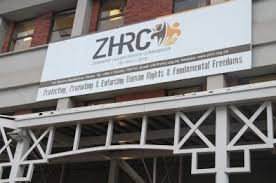
THE Zimbabwe Human Rights Commission (ZHRC) has lamented the state of the country’s justice delivery system, describing it as “rotten” and riddled with corruption.
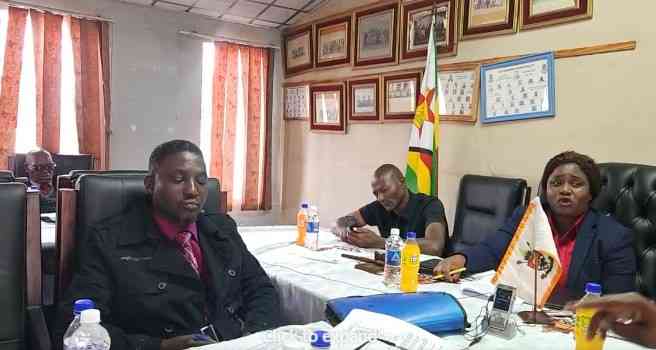
ZHRC chairperson Jessie Majome issued the damning verdict yesterday during a consultative workshop organised by Zacc and a consultant.
The workshop was attended by stakeholders in the fight against corruption, including judicial officers, civil society organisations and law enforcement agents.
In her contribution, Majome called for the inclusion of the justice sector in NACS2’s key priority areas, arguing that systemic corruption and inefficiency undermine the fight against graft.
“The justice system is rotten,” she said.
“Justice itself — the whole system — from the legal practitioners in the criminal justice system; the police and prosecutors, magistrates and judges, sometimes in the civil arena as well.
“I mean, everything in terms of access to justice is for sale. Education and health, everything is for sale. We have serious problems.”
She said ZHRC continued to receive complaints from the public about the justice sector, revealing widespread dissatisfaction and mistrust.
- HZT predicts violent polls
- 'Govt averse to human rights reforms'
- Politicians giving us nightmares — Police
- Tsenengamu’s party dares CIO ahead of polls
Keep Reading
“As ZHRC, we are a public protector institution as well,” Majome said.
“We receive complaints from the public.
“Many of these complaints pertain to problems within the administrative justice sector and the justice delivery system, delays and the administration of justice.
“And there are some strange practices that go on there in the justice delivery system. Even from my experience in the legal profession, there is a problem.”
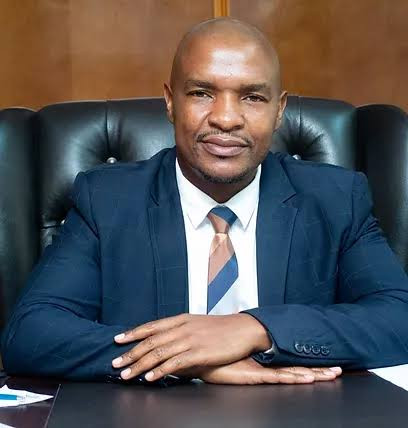
Meanwhile, in his keynote address, Zacc chairperson Michael Reza stressed the need for collective action and a cultural shift in the fight against corruption.
“Breaking the cycle of corruption requires changing social norms and reforming laws,” Reza said.
“It also requires creating a critical mass of people and institutions that refuse to participate in corrupt practices and that actively support those who stand against corruption.
“This is impossible without broad-based support.
“When all sectors are genuinely invested in the anti-corruption agenda, implementation of the strategy becomes more effective because different actors complement each other’s efforts — as government enforces laws, civil society monitors implementation, the private sector adopts ethical practices, communities exercise social accountability and citizens refuse to offer bribes and report corruption.”
NACS1, launched by President Emmerson Mnangagwa in July 2020 and implemented until June 2024, achieved more than 61% success in corruption investigation and prevention targets, according to Zacc.
Reza appealed to civic actors to rally behind national interests, while warning against undermining Zimbabwe’s image.
“I appeal to civil society organisations to have the national agenda at heart and resist the temptation to be agents of negative branding for the country,” he said.
“Zimbabwe, just like other countries that are signatories to various international and regional conventions, acknowledges the detrimental effects of graft and is championing zero tolerance to corruption.
“Let us join hands and increase anti-corruption awareness, which is empowering the citizens with knowledge and information that is crucial in ensuring their active participation.”
In a speech read on his behalf, Harare Provincial Affairs and Devolution minister Charles Tavengwa applauded Mnangagwa for availing resources to anti-corruption institutions to fight graft.
“I am delighted to note that the presence of such diverse anti-corruption stakeholders reflects the broad recognition that corruption affects everyone and that combating it requires everyone’s participation,” he said.
“Government officials understand that corruption undermines effective governance and service delivery.
“Local authorities recognise that corruption diverts resources away from community development projects.”
Tavengwa said the civic society sector saw how corruption perpetuated inequality and injustice.
“Media professionals witness how corruption stifles transparency and accountability,” he added.
“Religious leaders observe how corruption corrupts moral values and social cohesion.
“Law enforcement officers experience firsthand how corruption undermines the rule of law and public safety.”