SENATORS have urged the government to stop allocation of land designated as wetlands in Harare and other affected areas of the country following the rampant desecration of land by land barons and other construction projects.
In a motion on the Imposition of a Moratorium on Allocation of Land Designated as Wetlands, Mashonaland West Senator Priscah Mupfumira said Zimbabwe should take reasonable measures to prevent ecological degradation on wetlands.
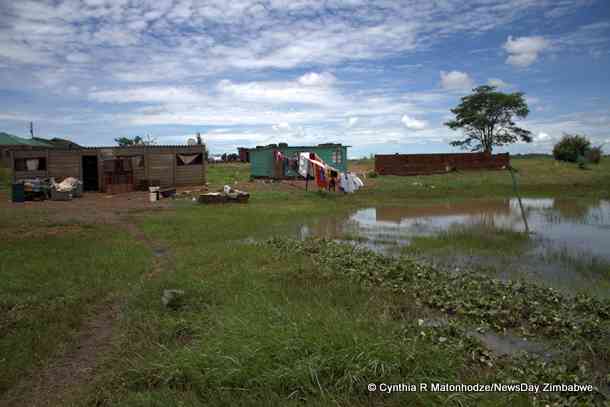
She said there was alarm over the rampant and systematic destruction of wetlands in Harare through construction of residential and commercial properties authorised by the local authority.
Mupfumira said they were also disturbed by the destruction of wetlands, leading to increased risk of flooding and accelerated biodiversity loss.
“Now, therefore, the House resolves that — the ministries of Local Government and Public Works, Lands, Agriculture, Fisheries, Water and Rural Development, National Housing and Social Amenities and Environment, Climate and Wildlife, should immediately impose a moratorium on the allocation of land designated as wetlands in Harare and other affected areas of the country,” she said.
Mupfumira also called for an inter-ministerial commission of inquiry involving the ministries concerned to investigate how wetlands were parcelled out to individuals and companies by local authorities with a view to taking remedial action.
The motion called for all wetlands to be declared ecosystem sensitive areas so that no one can tamper with them.
Zimbabwe in July this year hosted the 15th meeting of the Conference of the Contracting Parties (COP 15) to the Ramsar Convention on Wetlands.
- Byo armed robber in court
- Woman jailed 12 years for indecent assault
- Magistrate jailed 3 years for abuse of office
- Zim’s poor batting hands India series
Keep Reading
“Hosting the COP 15 offered Zimbabwe an opportunity to showcase its commitment to wetland conservation and to engage with international partners in promoting sustainable management practices for these vital ecosystems,” she said.
“Wetlands in Zimbabwe play a crucial role in water purification, flood control and biodiversity conservation as well as supporting agriculture, regulating water resources and providing livelihoods for local communities.
“They are legally protected under the Ema Act and any activities that may degrade them require special authorisation from the Ema.”
Added Mupfumira: “Activities that threaten health, biodiversity and ecosystem services of wetlands in Zimbabwe; human activities are significantly threatening the Ramsar wetlands in Zimbabwe through urban expansion.
“This is one of the primary concerns with residential and commercial buildings encroaching on wetland areas. For instance, in Harare, 30 wetlands are at risk from illegal settlements.
“This not only destroys the wetlands, but also leads to loss of biodiversity, decreased water quality and reduced climate resilience.”
She said agricultural pressure was another significant threat as the demand for arable land led to the drainage and conversion of wetlands for farming resulting in soil erosion and degradation, loss of ecosystems such as water filtration and flood control, decreased water table and reduced groundwater discharge.
“Conversion of wetlands for agricultural urban or industrial development lead to loss of habitat and biodiversity. Pollution also poses significant risks to Zimbabwe’s Ramsar wetlands.
“The risk of pollutants such as heavy metals and pesticides can contaminate water sources and harm aquatic life. Further, climate change is exacerbating the degradation of wetlands in Zimbabwe,” Mupfumira said.
“Rising temperatures and changing precipitation patterns alter the delicate balance of these ecosystems, making them more vulnerable to destruction.
“Mining activities are another significant threat to Zimbabwe's wetlands. The extraction of minerals such as gold and diamonds can lead to habitat destruction and fragmentation, water pollution and decreased water quality, displacement of local communities and loss of livelihoods.”
She said Zimbabwe should develop and implement effective strategies to protect and conserve its Ramsar wetlands through sustainable land use planning and management.
“Local authorities and their residents are confronted by lack of awareness of the importance and value of wetlands in their communities,” the Senator said.
Supporting the motion, Mashonaland East Senator Gerry Gotora called on Parliament to enact a Wetlands Protection Act.
“This law would provide a clear framework for protecting wetlands and serve as a reference point for the Traditional Leaders Act,” he said.
“Chiefs and village heads should be aware of this Act and it should be implemented in conjunction with the Environmental Management Act (Ema) and local authorities.”
Chapfudza said the government should enforce environmental laws without fear or favour and holding accountable those who illegally build on wetlands.
“Instead of viewing wetlands as a nuisance, they should be integrated into urban planning for essential green infrastructure, providing both ecological services and recreational spaces for the public,” he said.