
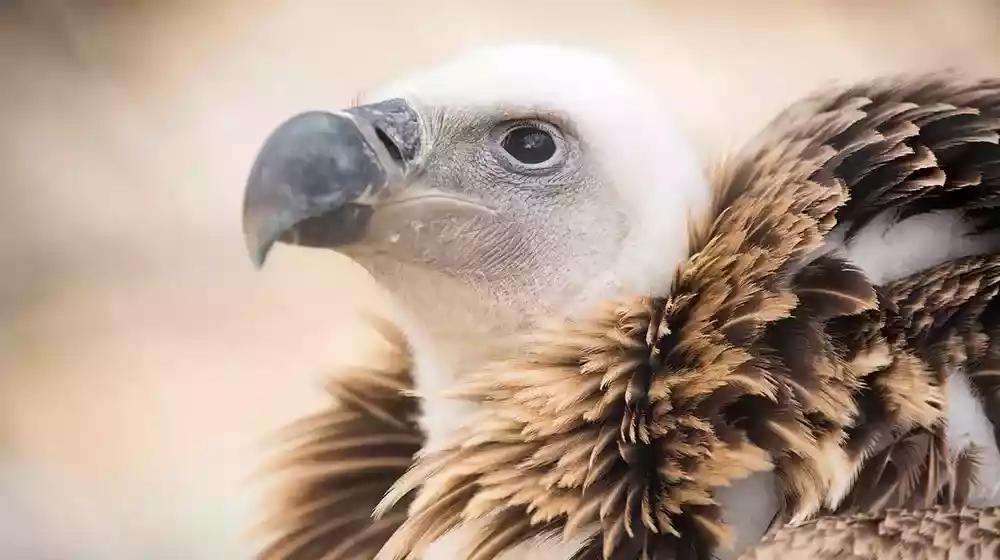
BIRDLIFE Zimbabwe has joined the global community in celebrating International Vulture Awareness Day (IVAD), a campaign aimed at raising awareness about vultures and their critical role in maintaining balance within the ecosystem.
According to Benhilda Antonio, BirdLife Zimbabwe’s Preventing Extinctions assistant programme officer, “IVAD is an opportunity to recognise and celebrate nature’s clean-up crew”.
She said vultures play a vital role in our ecosystem by disposing of carcasses, which helps to prevent the spread of diseases.
“Without vultures, our environment would be plagued by rotting carcasses, posing a significant risk to human and animal health.”
Vultures provide a vital service by clearing carcasses from the environment, which helps reduce the spread of diseases.
Their stomachs have a pH level that allows them to feed on meat with diseases like rabies and anthrax without getting affected.
Vultures can finish an elephant carcass in a few days due to their feeding frenzies, making them an essential component of ecosystem balance.
However, they are facing numerous threats, including poisoning, electrocution and collision with powerlines.
Poisoning is a major concern, with intentional poisoning by poachers being a significant threat.
Unintentional poisoning also occurs when people poison carcasses to target carnivores that attack their livestock, and vultures end up feeding on the poisoned carcasses.
The illegal trade of vultures and their body parts is also a significant threat.
According to Josephine Maringa from the Department of Forest Resources and Wildlife Management at the National University of Science and Technology, “the illegal trade of vultures is driven by belief-based use, with many people believing that vultures have supernatural powers”.
This has led to the harvest and use of vultures and their body parts without permits, posing a significant threat to vulture populations in Africa, accounting for 27% of the threats they face.
To contribute to vulture conservation, Antonio emphasises that "it is crucial for people to take action.
Reporting poisoning cases to relevant authorities is a critical step in preventing further deaths.
Additionally, stopping retaliatory killings of carnivores that attack livestock can help reduce the risk of unintentional poisoning.
People can also play a role by reporting any vulture nests seen in their area and refraining from destroying nests or taking eggs.
“Every effort counts, and collective action can make a significant difference in the long-term survival of vultures.”
BirdLife Zimbabwe has established two vulture safe zones in the Gwayi conservation area and Save Valley Conservancy.
The organisation has also provided capacity building training for law enforcement officers in Zimbabwe on how to handle vulture cases in court, as vultures are specially protected animals under the Parks and Wildlife Act.






