IN the heart of Bulawayo, where the sun rises over a landscape dotted with hopes and dreams, the shadows of unmet promises loom large.
Families, once buoyed by the prospect of government support, now grapple with deepening food insecurity, their future uncertain.
The much-anticipated Urban Cash Transfer Programme, designed to cushion the most vulnerable, has effectively crumbled, leaving behind a trail of unfulfilled expectations.
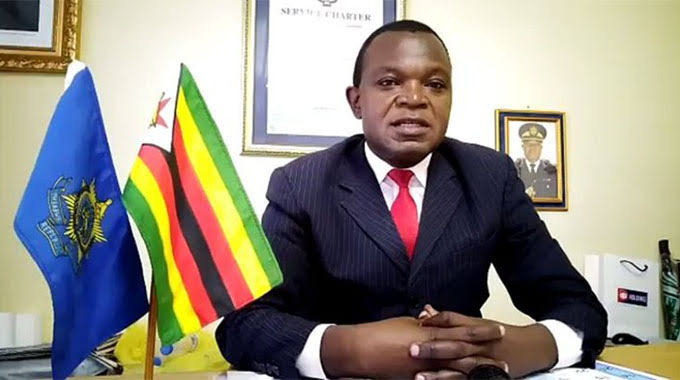
Social Welfare minister Edgar Moyo’s recent admission in Parliament that “no funds have been disbursed this year” echoes through the streets, a stark reminder of the gap between government pledges and the harsh reality faced by struggling households.
As this in-depth feature story delves into the stories of those affected, alongside insights from social experts and officials, a chilling picture emerges: a safety net that has unravelled, exposing the fragility of promises made to the nation’s most desperate citizens.
The Urban Cash Transfer Programme was heralded as a lifeline for families in financial distress, yet its collapse reveals systemic issues that go beyond mere funding shortages.
Families like the Mhlangas, who once looked forward to the “cash for cereal” scheme, now find themselves battling hunger and despair.
“We were told help was on the way,” says Thandiwe Mhlanga, a mother of three.
- Empty promises: The Urban Cash Transfer Programme’s collapse leaves families in despair
Keep Reading
“But now, everyday is a struggle to put food on the table.”
With only a fraction of registered beneficiaries — 39 293 of 219 849 — ever receiving any financial aid, the government’s failure to deliver is stark.
Through the eyes of families like the Mhlanga's, there are stories of resilience mixed with frustration.
Many households have relied on the promise of support to make ends meet, but the reality has been bleak.
“We were counting on that money for basic necessities,” Thandiwe explains, her voice tinged with desperation. “Now, we have to rely on neighbours and community support just to survive.”
Social experts emphasise that the impact of the programme’s failure extends beyond immediate financial loss.
“When trust in government initiatives erodes, it affects community cohesion and individual morale,” says Tinashe Chikanda, a social policy analyst.
“People begin to lose faith not just in specific programmes, but in the governance system as a whole.”
Social experts highlight that the failure of the cash transfer programme has broader implications beyond just financial hardship.
Nyasha Moyo, another social policy analyst, says when trust in government initiatives diminishes, it undermines community cohesion and individual morale.
“This erosion of faith extends beyond the specific programme, leading to a general disillusionment with the government,” she observes.
“As trust wanes, communities become fragmented, making it harder to mobilise support and foster resilience.”
Further, Moyo points out that the collapse of such vital programmes has a ripple effect, diminishing civic engagement and participation.
“When citizens see that their needs are ignored, they become disengaged from political process, further entrenching cycles of poverty and disenfranchisement,” she notes.
“Restoring that trust requires transparent action and genuine commitment from government leaders.”
In response to the growing criticism, Minister Moyo’s remarks in Parliament have sparked a wave of outrage and disbelief.
He acknowledged that the funds had dried up, leaving thousands of families in limbo.
“It’s disheartening,” he stated, “but we are working to secure more financing.”
Yet, for many, this feels like a hollow reassurance.
Critics argue that the government should take responsibility for its commitments and put in place sustainable funding mechanisms to truly support the vulnerable.
As government support falters, organisations like the World Food Programme have stepped in, providing additional cash assistance to some families.
However, with only 15 000 people receiving support, the gap remains vast.
“While any help is appreciated, it’s clear that it’s not enough,” says Maria Ndlovu, a local non-governmental organisation worker.
“We need systemic change, not just temporary fixes.”
The collapse of the Urban Cash Transfer Programme reflects broader economic challenges facing the nation.
Inflation, unemployment and a lack of sustainable development policies have exacerbated the plight of vulnerable households.
“This is not just about cash transfers; it’s about creating an environment where families can thrive,” argues Chikanda.
Experts agree that urgent reforms are needed to restore faith in government support systems.
“We need a comprehensive approach that includes transparency, accountability and community involvement,” emphasises Chikanda.
“Without these elements, any programme is destined to fail,” he earnestly observed.
As the sun sets over Bulawayo, families continue to navigate a landscape of uncertainty, their hopes dimming with each passing day.
The Urban Cash Transfer Programme, once a beacon of hope, has become a cautionary tale of what happens when promises go unfulfilled.
The voices of those affected resonate through the community, urging the government and society to take action.
In a nation where survival often hinges on collective effort, the time for change is now.
In this unfolding narrative, the resilience of families like the Mhlangas shines through the darkness, a testament to the human spirit's capacity to endure.
Yet, without the support they were promised, the fight for survival becomes increasingly daunting.
The call for accountability and reform has never been more urgent; it is a plea for justice in the face of adversity.