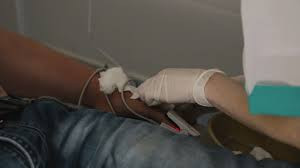
IT is one chilly Sunday afternoon at Parirenyatwa Group of Hospitals and Rebecca Chimhanza (50) is writhing in pain.
What started as a heavy menstrual flow has refused to cease for over two months now.
The pain is unbearable.
Upon admission, the doctor told her that she had cervical cancer Stage 3 and that they were assessing the available treatment options for her.
As she narrates her ordeal, her hope is gone and she feels death is now imminent.
Chimhanza remembers how a group of medical people had visited her home area nine years ago offering free cancer screening services.
The health professionals had told her they suspected she had cancer of the cervix, thus she had to come to the hospital for further analysis.
Instead, Chimanza had taken to the herbalist in her home area who claimed to treat cancer that is at any stage.
- Manatsa widow burial tomorrow
- Parirenyatwa in fresh negligence storm
- Minor electrocuted at agric show
- Opinion: Corruption a threat to viability of health systems
Keep Reading
The herbalist had sternly warned her that she should never undergo any clinical treatment processes for the herbs to be effective.
Convinced, she started the treatment journey with a herbalist, but when she felt her health was failing, she then decided to take the clinical route, only to be told the disease had advanced.
As she closes her eyes in despair, she regrets taking the herbalist’s advice from the beginning.
“He told me that if I go for chemotherapy or other clinical processes, he will not be able to treat me, the herbs won’t work. Otherwise, he insisted, cancer was an easy disease to treat regardless of the stage,” she said.
“What is hurting me now is that the doctors here told me that if I had come at that time, it would have been dealt with.”
Chimhanza’s story mirrors that of many women who have succumbed to cancer over the years, with cervical and breast cancers being the most common.
Zimbabwe is battling non-communicable diseases, with cancer recording in excess of 7 500 cases every year, while cervical and prostate cancer are the most common for both genders.
With a mortality rate of 2 500 per year, late presentation of the disease has been the major cause of death.
At a time the country is upscaling screening campaigns, a new problem has hit the country the street herb scourge.
While over the years people would visit the herbalists at their residential areas, usually rural, the country’s streets are now full of herbalists who claim to cure any disease, including cancer.
As the economy continues to tank and the health systems collapses, going to the hospital has not been a favourable option for many thanks to the herbalists who have come to the rescue.
Sadly, a research by NewsDay Weekender revealed that despite people who testify to having been cured of cancer, most of them end up going back to the hospital when their conditions have worsened, raising questions on the misinformation and pseudo-science around the treatment of the deadly disease.
Available information shows that upon showing symptoms of such diseases or after being diagnosed at hospital under different screening programs, people instead seek help from the streets and other herbal people in the rural areas, especially remote, only to return to hospitals when it is too late.
Among other challenges, the street doctors encourage patients to disregard scientifically proven methods of treating cancer such as chemotherapy, saying it will be difficult to treat them once they do that.
As the pseudo-science on cancer treatment takes over, the country is facing yet another challenge of intensifying education campaigns on how the disease manifests and how it is treated, calling for measures to tackle disinformation and misinformation around cancer treatment.
This also poses a significant challenge further raising the need to align cancer awareness campaigns with this new scourge.
Another cervical cancer patient, Natalie Guvamombe, relates with Chimhanza’s ordeal, saying she had also fallen prey to the herbalists, but fate has been on her side as the doctor told her that at stage 1, she still had a fighting chance and an option to have her womb removed.
“After I gave birth, I went for a pap-smear and I tested positive. The gynaecologist told me that he wanted to test how risky HPV was. He wanted to run some tests, but I did not have the money,” Guvamombe said.
“I was advised by my friends that herbalists can get rid of the egg that causes cancer.
“That is what I have been doing for the past two years, but someone sternly advised me to go to the clinic, that is where I was told I’m now stage 1. I regret wasting time on the streets.”
Monitoring and evaluation co-ordinator at Cancer Association of Zimbabwe (CAZ), Lovemore Makurirofa, emphasised the importance of integrating traditional approaches with conventional medicine.
He said 80% of cancer patients arrive at hospitals at advanced stages, often after first seeking help from traditional practitioners, adding that delays in treatment can severely limit the chances of recovery.
“We have seen a situation whereby 80% of the cancer patients are coming to hospital late. So it may be as a result of the fact that patients start by visiting the traditional practitioners. Then at a later stage when cancer is advanced, they will then decide to come to hospital,” Makurirofa said.
“By that time, the chances of curing the cancer will be lower because of the delay. So, our advice as Cancer Association of Zimbabwe is that we know it is the patient’s right to seek whatever form of treatment modality that they might choose, but however, people should know that most of the cancer cases that we are seeing in Zimbabwe are those that can be treated.
“A majority of them they can be cured using the conventional treatment modalities that are being offered at our institutions.”
Makurirofa advocated for education and training of traditional healers in cancer awareness and the significance of timely medical intervention.
By fostering collaboration between traditional and modern medicine, the hope is to create a more comprehensive approach to cancer care.
“Traditional medical practitioners should be educated about cancer and conventional treatments, ensuring they complement each other,” he said.
“Research on traditional cancer interventions is needed, as certain medicines are crucial for managing non-communicable diseases. Clinical trials should be conducted to further understand the effectiveness of these interventions.”
He added: “There are issues to do with toxicity, where traditional medicines do not have actual doses.
“If a patient does not have actual doses, which are in commensurate with the age of the patient and other comorbidities, or even the weight of the patient, they do not prescribe their medication based on those important factors, such as weight of the patient and age. So chances of toxicity are likely to be very, very high.”
Makurirofa emphasised the need for the nation to do a lot of research around the issue as there might be very effective herbal remedies or herbs.
He said if research is done, maybe there could actually be certification of some of these interventions.
As a matter of fact, he said, cancer treatment in Zimbabwe has proven successful, with many survivors attributing their health to modern therapies like chemotherapy and radiotherapy.
“As CAZ, we have numerous cancer survivors who have survived chemotherapy and modern treatments like radiotherapy. Some have reached the 20-year survival mark, proving the effectiveness of these treatments,” he said.
“We encourage patients to seek evidence-based treatments and consult healthcare professionals.”
Community Working Group on Health executive director Itai Rusike said it is estimated that up to 70% of hospital clients consult alternative practitioners at some point in their healthcare journey.
He said the statistics highlight a crucial need for clarity and guidance in the use of herbal treatments.
“At most of our hospitals, we know that up to 70% of clients consult alternative practitioners and providers before, during and after their visits, pointing to the widespread nature and therefore the need to seriously evaluate and correctly advise the population,” he said.
Rusike noted that the lack of accreditation and regulation for herbal practitioners raises concerns.
Unlike conventional healthcare providers, herbalists often operate without oversight, which can lead to misinformation and potential risks.
Rusike added that while there are compelling anecdotes of healing, the absence of clinical trials and scientific evidence makes it difficult to substantiate the claims of herbalists.
“Indeed, we have a problem of patients prioritising herbal/spiritual treatment shunning evidence based medicine. Many of the assertions by herbalists have not been scientifically researched,” he said.
“There is a need for this challenge to be discussed. Unfortunately, some of these alternative medical practitioners even advertise for their services on mainstream media platforms.”
Both experts agree with the need for a comprehensive approach to research towards adoption of herbal medicines for treatment of non-communicable diseases such as cancer.
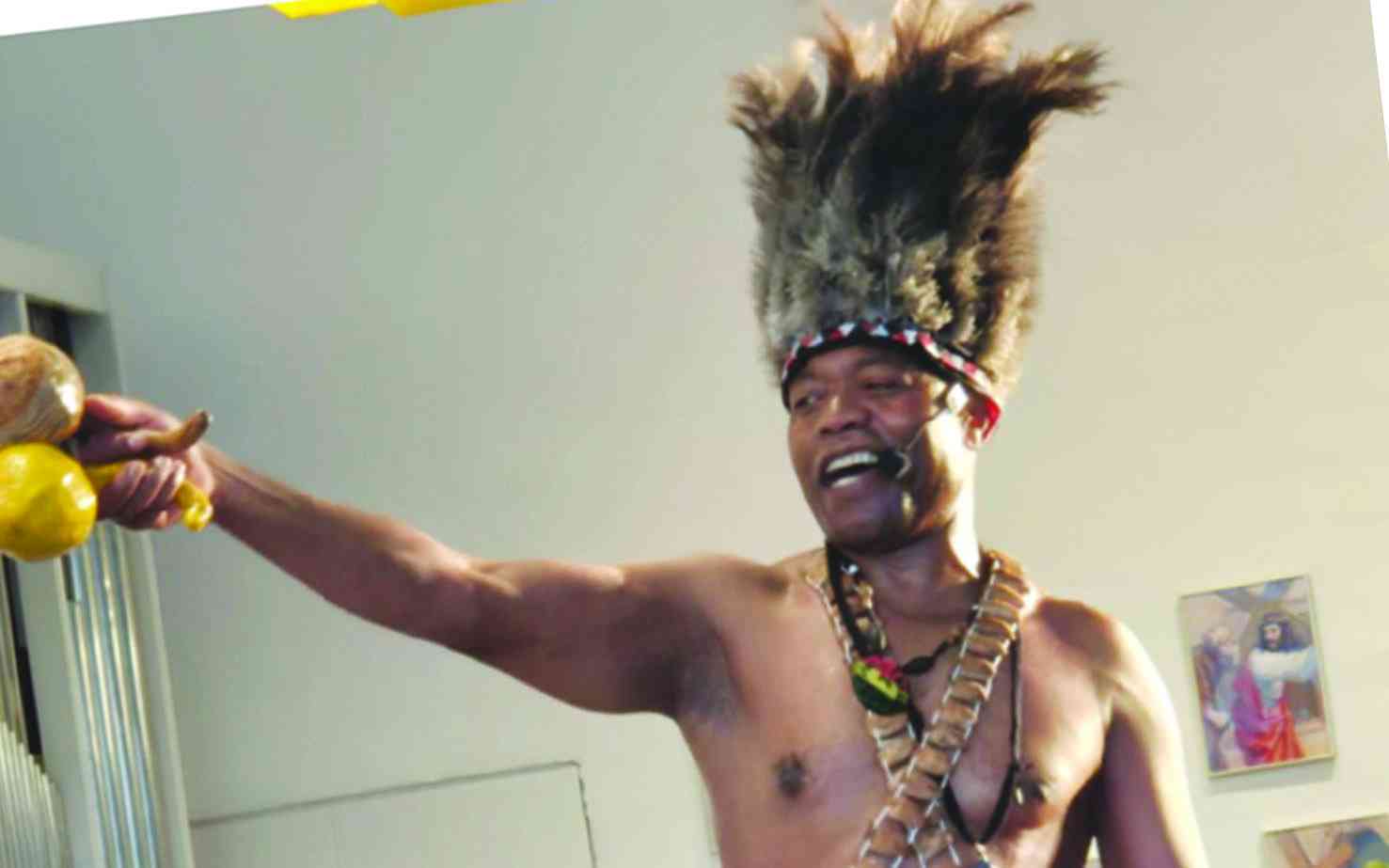
Mutoko-based traditional healer and herbalist , Sekuru Taona Makumire, said herbs can cure cancer among other diseases.
“As herbalists, we are confident that the use of traditional herbs is crucial for the healing process of cancer patients,” he said.
“We say, patients should engage both medical and processes in the fight against cancer.”
Today, Chimhanza is a bitter woman as she feels her decision to go the herbal route has worsened her condition.