WE see what Zanu PF is doing.
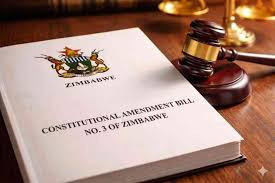
The ruling party wants Zimbabweans to believe that it is engaging in genuine negotiations with other political parties and has suddenly become receptive to criticism surrounding the Constitution Amendment No 3 Bill (CAB 3).
However, many citizens are not fooled.
What is unfolding appears less like meaningful consultation and more like a carefully choreographed political exercise designed to create the impression of inclusivity and compromise.
Zanu PF is trying to set a narrative that it is willing to come to the table, listen to concerns and make concessions in the national interest.
But before anyone celebrates this apparent flexibility, it is important to examine who exactly the ruling party is negotiating with.
The answer raises serious questions.
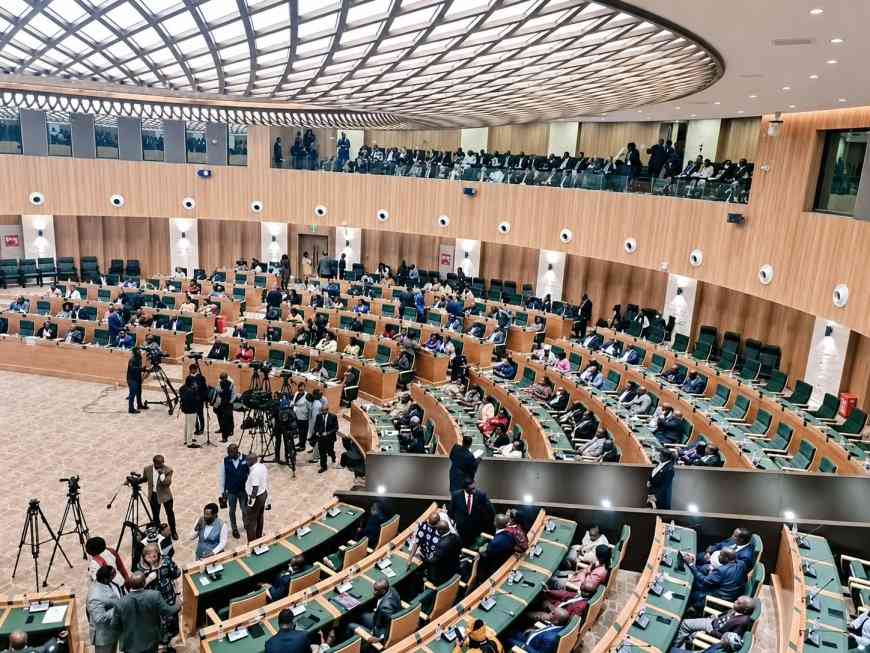
The Citizens Coalition for Change faction led by self-appointed secretary-general Sengezo Tshabangu is the only opposition grouping that appears to be actively participating in discussions on the constitutional amendments in Parliament.
- Chamisa party defiant after ban
- Village Rhapsody: How Zimbabwe can improve governance
- News in depth: Partisan police force persecutes opposition, shields Zanu PF rogue elements
- Chamisa chilling death threat bishop defiant
Keep Reading
For many observers, this hardly qualifies as broad-based consultation or national consensus.
Instead, critics argue that Zanu PF is effectively negotiating with a political formation that has consistently acted in ways that benefit the ruling party.
Whether by design or circumstance, the result has been the same: Zanu PF faces little meaningful resistance in pushing through controversial legislative changes.
This is why Zimbabweans must look beyond the headlines and focus on the substance of what is happening.
The clauses that Zanu PF claims it is prepared to drop were never at the heart of the debate.
They were not the provisions that generated the greatest public concern.
Nor were they the elements that critics identified as posing the most significant threat to constitutional democracy.
Rather, they served as useful distractions.
The proposal affecting the Zimbabwe Gender Commission, for example, attracted criticism from civil society groups and constitutional experts.
Similarly, provisions relating to traditional leaders generated concern because they appeared to undermine the principle that chiefs should remain non-partisan and above party politics.
These clauses undoubtedly mattered.
Yet they were never the central objective of CAB 3.
They functioned as political decorations surrounding the real prize.
The ultimate goal, critics argue, has always been to create a pathway for extending President Emmerson Mnangagwa’s term of office by two years beyond the current constitutional limits.
Everything else was secondary.
By including several controversial provisions in the Bill, the ruling party created room for apparent compromise.
Once public opposition intensified, it could conveniently abandon some of the provisions and present itself as responsive to citizens’ concerns.
The concessions would then be portrayed as evidence of a willingness to negotiate, while the core objective remained untouched.
This is a familiar political strategy.
Introduce a package containing multiple contentious measures, then withdraw the less important ones while retaining the provision that matters most.
The public is encouraged to focus on what has been removed rather than what remains.
In this case, the danger is that Zimbabweans may mistake tactical adjustments for genuine reform.
The question that should be asked is simple: What was the primary purpose of CAB 3 from the beginning?
If the answer is, indeed, the extension of the President’s tenure, then the withdrawal of other clauses changes very little.
The central concern remains intact.
Constitutional amendments should never be driven by the political interests of individuals or parties.
Constitutions are designed to protect democratic principles, limit concentration of power and ensure predictable governance.
Altering them to suit temporary political objectives risks weakening public confidence in the country’s supreme law.
Zimbabweans, therefore, have every reason to remain vigilant.
Political compromises are only meaningful when they address the core issues at stake.
Removing peripheral clauses while preserving the main objective is not compromise; it is strategy.
The nation deserves an honest conversation about constitutional reform, not political theatre disguised as consultation.
As the debate over CAB 3 continues, citizens must look beyond the rhetoric and focus on the substance.
The real story is not what Zanu PF is willing to remove from the Bill, but what it remains determined to retain.