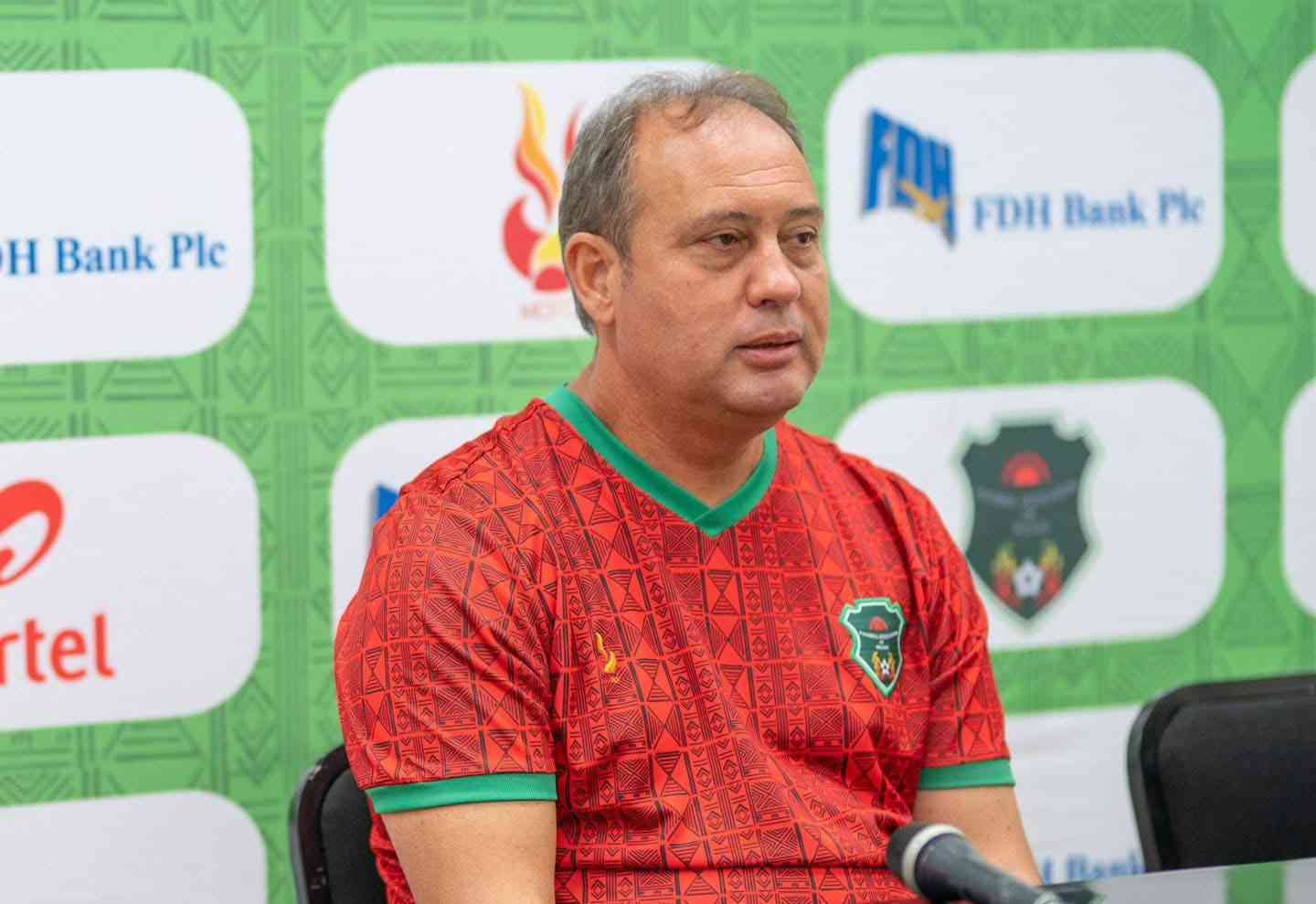
THE sudden departure of Marian Marinica last week, cited vaguely as being for "personal reasons", marks a tipping point for Zimbabwean football.
For the second time in just five months, a foreign mentor has walked away from The Warriors, leaving the national team in a state of perennial flux.
It is time for the Zimbabwe Football Association (Zifa) to abandon its obsession with little-known foreign imports and appoint Kaitano Tembo as the substantive head coach.
The revolving door at Zifa House is not a coincidence; it is a symptom of a toxic working environment.
The association’s track record of failing to pay salaries and refusing to allow coaches to bring their own backroom staff has turned The Warriors job into a poisoned chalice for any self-respecting international professional.
Why Zifa continues to court foreign talent without the financial resources to support them remains a mystery.
History is a harsh teacher. Zifa’s inability to settle dues with foreign coaches has previously led to Fifa sanctions, most notably the humiliating expulsion from the 2018 World Cup qualifiers.
In contrast, local legends like Kalisto Pasuwa, Sunday Chidzambwa and Norman Mapeza — all of whom are reportedly still owed salaries — have historically chosen to protect the national brand rather than drag the country to the Fifa courts.
- FIFA slaps five year-ban on Ex-Zifa referees' boss
- Abused female refs take on Zhoya's accomplices
- Veteran football administrator Chishanga dies
- Mhurushomana cleans Zifa accounts
Keep Reading
While we do not condone Zifa’s failure to honour its financial obligations, the reality is that a local coach brings a level of patriotism and loyalty that no foreign "plumber" masquerading as a coach can replicate. A local coach understands the terrain, the culture and the stakes.
Kaitano Tembo is not just a safe option; he is the right option. Having served as Marinica’s assistant, he provides the continuity the squad desperately needs. To appoint him interim coach while searching for another foreigner amounts to an exercise in futility.
Tembo has the pedigree, the respect of the dressing room and the tactical nuance developed in the high-pressure environment of the South African PSL.
Unlike his predecessors, who reportedly viewed their local assistants with suspicion — rumours of sabotage swirled around both Marinica and Michael Nees — Tembo can build a unified, homegrown technical bench of three or four coaches who share a singular vision.
Looking across our borders, the success of Mozambique, Namibia and Botswana under local leadership proves that regional dominance is built from within. The advantages of sticking with a local coach are clear and practical.
Firstly, it ensures financial stability by reducing expenditure on relocation, high-end housing and international travel for unknown quantities.
Secondly, a local coach possesses deep scouting knowledge, maintaining a constant pulse on the domestic league and grassroots talent.
Furthermore, it creates cultural synergy by eliminating the trust deficit that often exists between foreign head coaches and local assistants. Finally, a local coach offers long-term commitment; they can be invested in the 2030 World Cup dream because it is their home, not just a line on a resume.
A month ago, we were sold the vision of the 2030 World Cup by a man who has now packed his bags. We must stop chasing shadows.
Zifa needs to equip Tembo with the necessary resources and finally give the Zimbabwean the chance to lead The Warriors. Stability isn't found abroad; it’s waiting in our own backyard.