THE conflict unfolding in Goromonzi, where villagers are resisting the activities of a Chinese company allegedly operating under the guise of constructing an Air Force of Zimbabwe (AFZ) radar system, is a grim reminder of a deepening crisis: ordinary citizens are being displaced, beaten and intimidated — all in the name of “investment”.
Villagers say they have been assaulted by AFZ officers and threatened with guns simply for standing their ground over ancestral land.
This is not an isolated case.
The pattern is consistent — communities are sidelined, militarised and silenced, while politically-connected investors thrive.
In Mt Darwin, locals dismantled fences to reclaim land they say was illegally taken, clashing with soldiers sent to enforce foreign occupation.
In Magunje, villagers resisting a Chinese-owned cement plant have also reported intimidation and threats by armed soldiers.
The pattern is clear: The Zimbabwean military, instead of protecting its people, is being deployed as private security for foreign business interests.
Such a system has created a dangerous cycle: Foreign companies bring money, the elite benefits and the military is deployed to crush dissent.
- FC Platinum bounce back
- New perspectives: ‘We also died for this country!’
- Re-imagining an empowered Africa
- Mayor calls for unity as 8 CCC cllrs sworn in
Keep Reading
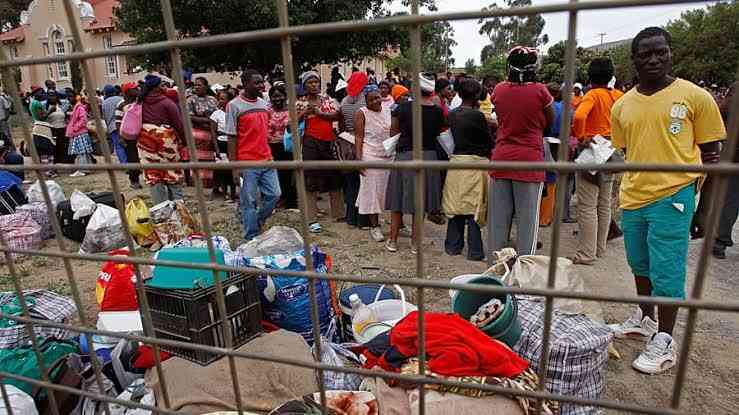
Ordinary Zimbabweans — the supposed beneficiaries of “empowerment” and “investment” — are instead displaced, silenced and left to watch their ancestral land being auctioned off.
Let us be clear — Zimbabwe is not against investment.
The country needs capital, technology and partnerships to grow its economy.
But investment cannot come at the expense of human dignity, rights and sovereignty.
Real investment should strengthen communities, create jobs and respect rights.
When communities are pushed off their land without consultation, when ancestral ties are disregarded and when dissent is met with beatings and gun threats, then what we are witnessing is not development.
It is exploitation, aided and abetted by those in power.
The message this sends is unambiguous: that foreign capital provided by firms from East Asia, is valued more than Zimbabwean citizens.
That the role of the army is not to defend the nation, but to suppress communities in favour of investors.
That ancestral lands, soaked in history and meaning, can be bulldozed in the name of quick deals.
Government cannot claim to serve its people while treating them as disposables.
It cannot continue to ignore the pain of its people.
Land is not just soil — it is history, livelihood and identity.
To trample that for short-term political gain is to betray the very citizens the State is meant to protect.
If projects genuinely require relocation, there must be transparent consultation, proper compensation and lawful processes that respect both human rights and the environment.
Anything less is a betrayal of the very citizens the State exists to serve.
Zimbabwe must strike a balance between welcoming foreign partners and protecting its people.
Otherwise, what future are we building?
One where Zimbabweans are strangers on their own soil, sacrificed at the altar of “investment”?
True development empowers people, it does not trample on them.
Zimbabweans are not asking for charity. They are demanding justice. The right to their land. The right to be heard. The right to live in a country where government defends its people, not sells them out.
Zimbabweans cannot afford silence anymore. Churches, civil society and every citizen who believes in justice must demand accountability.
Foreign capital is not the enemy — but when it comes hand-in-hand with repression, secrecy and violence, it becomes another tool of oppression.
Zanu PF must be confronted with a simple truth: sovereignty belongs to the people, not to party elite or their foreign patrons.
Land cannot be sold behind closed doors.
Communities cannot be displaced without consent.
Soldiers cannot be deployed against their own people.
If this continues, Zimbabwe risks becoming a country where the State is the greatest threat to citizens.
And that is a path no nation can survive.
Citizens must demand answers. Civil society must stand with affected communities. Churches must speak for the voiceless.
And government must be forced to remember: its duty is to protect its people, not sell them out.
Zimbabwe belongs to Zimbabweans.
No amount of intimidation will change that.