THE World Wide Fund for Nature (WWF) Zimbabwe is seeking to mobilise at least US$25 million to support the country’s nature transformation agenda, with a strong focus on sustainable finance, climate resilience and biodiversity conservation.
The commitment was announced during the launch of the WWF Zimbabwe 2030 Roadmap, where government officials, development partners, civil society organisations, and private sector representatives gathered to mark the start of the implementation phase of the organisation’s long-term strategy.
The first phase of the programme focuses on fostering environmentally and socially responsible, decarbonised, inclusive and transformative value chains across the energy, climate change and mining sectors while strengthening community participation.
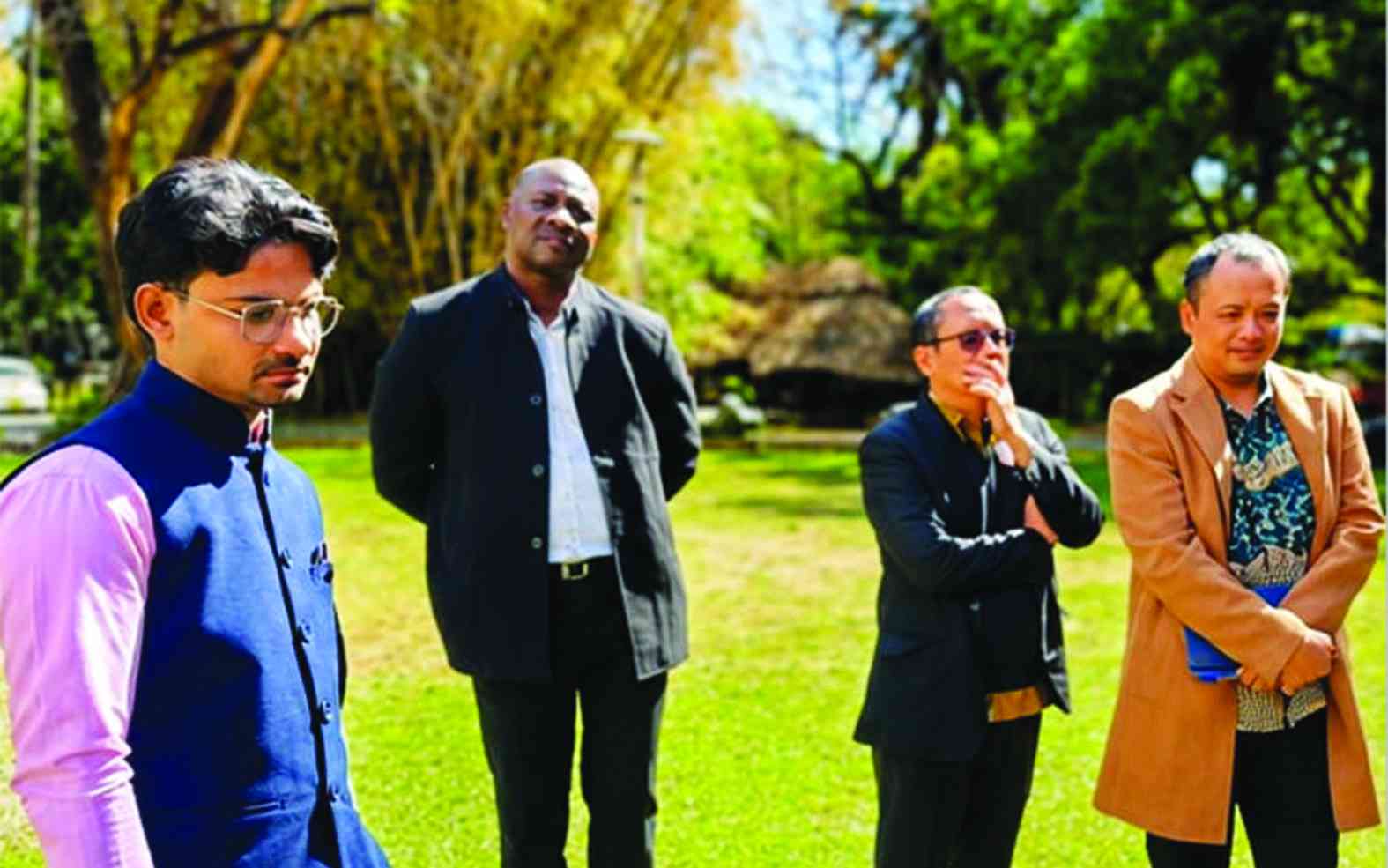
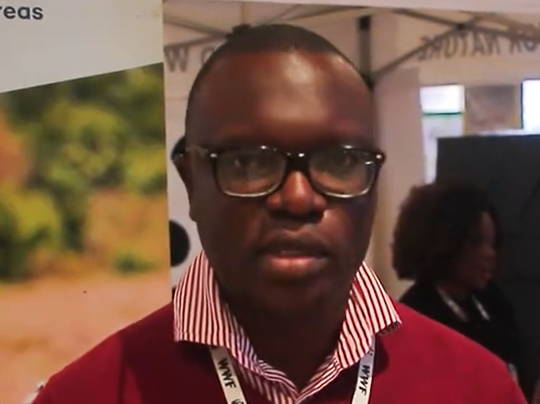
Speaking at a stakeholder meeting, WWF Zimbabwe country co-ordinator Itai Chibaya said the organisation’s vision extends beyond conservation projects and seeks to reshape how development and nature coexist.
“These are not simply targets but end points that support national transformation. Delivering them will require significant investment,” he said.
“We aim to mobilise at least US$25 million, but even more importantly, we want to influence how resources are directed into development decisions and how society interacts with nature.”
He noted that declining traditional donor support for conservation, including changing international funding priorities, had highlighted the need for alternative financing mechanisms.
“We have seen what has happened with funding from some international partners, and traditional funding alone will not be sufficient.
- Revitalising agric exports: A forward-looking economic strategy
- Communities key to Africa’s conservation success: WWF
- Women farmers receive training on food sovereignity, climate resilience
- WWF seeks to mobilise US$25m to drive Zim’s nature transformation agenda
Keep Reading
“This is where sustainable finance and environmental markets become critical.”
He said Zimbabwe could tap into emerging opportunities in carbon credits linked to forests, landscape restoration, biodiversity and ecosystem credits, as well as nature-based solutions capable of attracting private sector investment.
Chibaya added that achieving the WWF 2030 vision would require collaboration among government, local communities, traditional leaders, development partners, academia, and the private sector.
“We are not here simply to implement a strategy. We are here to convene, challenge and help shape direction,” he said.
“We must move from ambition to decision, from plans to execution and from systems that degrade natural capital to systems that build it.”
This comes as Zimbabwe continues to face significant environmental challenges, including rapid deforestation, biodiversity loss and increasingly frequent climate shocks that threaten agriculture and the livelihoods of millions of people.
Chibaya said conservation could no longer be viewed as protecting isolated national parks alone, but should encompass entire landscapes, including wildlife corridors, communal lands and farming areas that sustain ecosystems and rural livelihoods.
“Conservation and livelihoods are no longer separate conversations. They are one and the same.
“Coexistence must become practical by promoting climate-smart agriculture, sustainable livestock systems that protect rangelands and landscapes where communities directly benefit from conservation.”
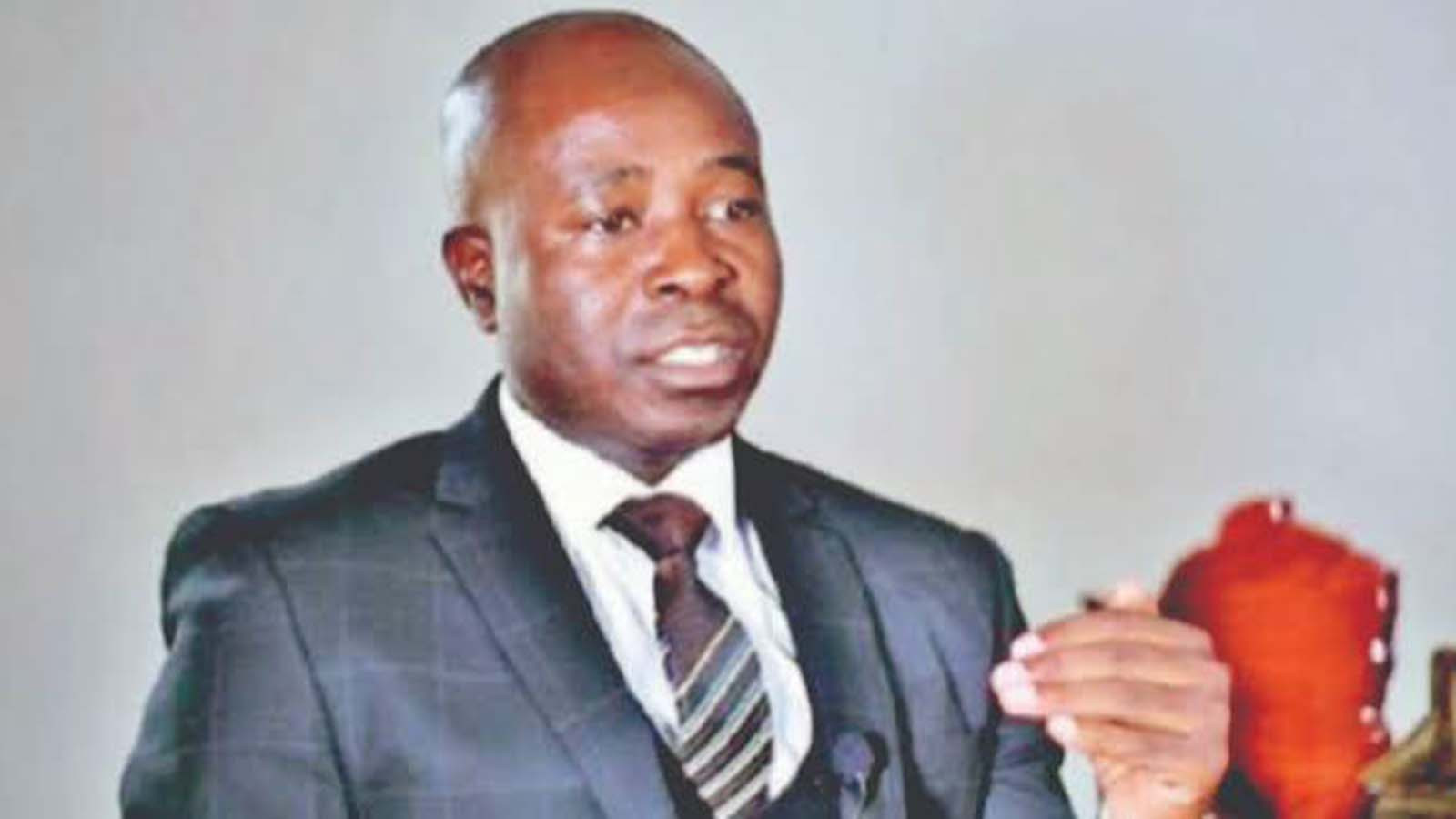
Mines and Mining Development permanent secretary Thomas Wushe said the government was committed to working with WWF and other stakeholders to ensure mining contributes to sustainable national development while protecting the environment.
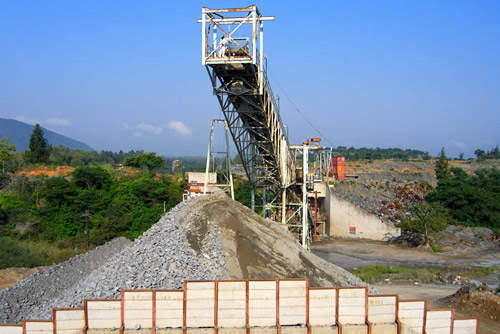
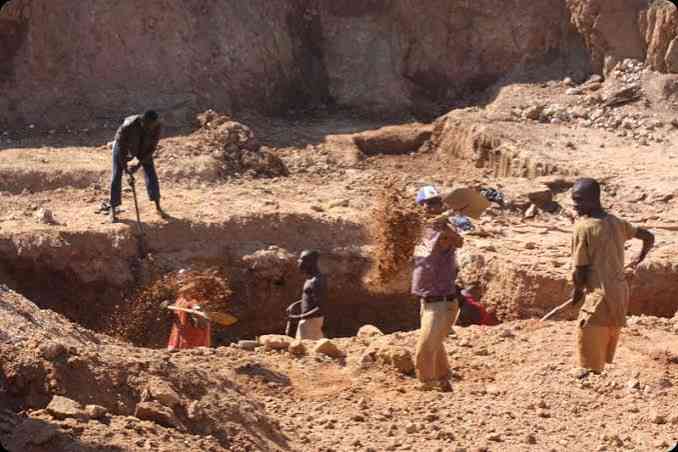
He admitted that while mining presents enormous economic opportunities it also places considerable pressure on land, water resources, biodiversity, and surrounding communities.
“Mining activities must not undermine our long-term environmental integrity or other sectors of the economy.
“Communities should see mining not as destruction, but as a driver of opportunity and improved livelihoods.”
He said government was promoting policies that encourage responsible mining, value addition and beneficiation instead of relying on the export of raw minerals.
“We are moving decisively away from a model that exports raw materials towards one that drives value-addition, industrialisation and inclusive economic growth,” Wushe said.
“Our mineral wealth must generate tangible national development, uplift communities and guarantee long-term environmental sustainability.”
However, he said that success would depend on strong policy frameworks, investment in local infrastructure and skills development, as well as accountability among government, industry and development partners.
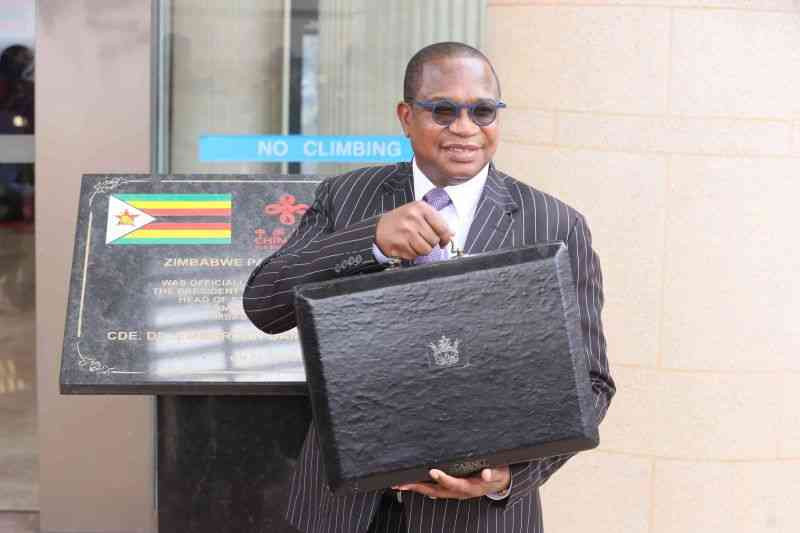
Representing the Environment, Climate and Wildlife permanent secretary Simon Masanga, Washington Zhakata, the chief director in the ministry, said Zimbabwe had entered a phase where measurable results rather than commitments would define progress.
“We are moving from a period of commitment to a period where results must be seen, measured and verified,” Zhakata said.
He urged stakeholders to embrace accountability and ensure environmental programmes produce verifiable outcomes as development decisions become increasingly complex in the face of climate change and growing pressure on natural resources.