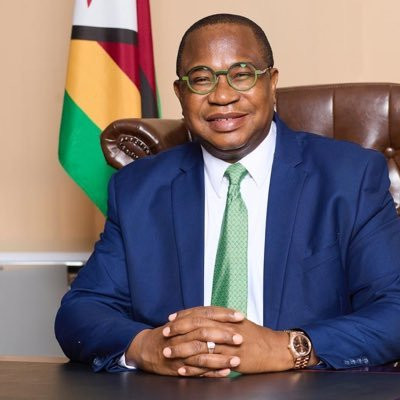
THE African Development Bank (AfDB) says Zimbabwe needs US$2,7 billion in bridge financing to clear arrears owed to international financial institutions (IFIs) —US$200 million more than the amount the government has been seeking highlighting the scale of the country’s debt overhang.
In April, Finance, Economic Development and Investment Promotion minister Mthuli Ncube said the government was courting the United Kingdom, Germany, Japan, France, Algeria and other countries for US$2,5 billion in bridge financing to clear arrears owed to the AfDB and the World Bank.
In a latest report, AfDB added the European Investment Bank (EIB) to the list of lenders Zimbabwe must prioritise.
The latest estimate by AfDB underscores the significant challenges Zimbabwe faces in its efforts to normalise relations with international creditors and regain access to concessional funding. Clearing arrears is regarded as a crucial step towards unlocking affordable long-term financing needed to support infrastructure development, public services and broader economic transformation, at a time when the country faces a widening financing gap and a heavy debt burden.
According to Treasury data as of December 2025, Zimbabwe owed the World Bank US$1,61 billion and the AfDB US$759 million, making them two of the country’s largest multilateral creditors.
Clearing the arrears would unlock access to medium- and long-term concessional financing, which authorities view as critical for funding infrastructure, public services and other priorities under the National Development Strategy 2.
In an overview released after the AfDB board of directors approved a US$4 million grant to support Zimbabwe’s efforts to clear its debt arrears and re-engage with the international financial community, the Abidjan-headquartered institution outlined a list of reforms and actions required from the government.
“To strengthen the engagement and dialogue process, the government needs to: (a) successfully implement a 10-month Staff-Monitored Programme signed with the IMF on April 16, 2026, that aims at consolidating recent stabilisation gains and strengthening macroeconomic management,” the AfDB said.
- New perspectives: Building capacity of agricultural players in Zim
- I am not scared: AfDb chief shrugs off Africa food crisis
- New perspectives: Building capacity of agricultural players in Zim
- Xenophobic attacks against Zimbabweans barbaric
Keep Reading
It said Zimbabwe “must engage potential champions for bridge financing to clear US$2,7 billion in arrears with IFIs (AfDB, World Bank and EIB)”.
The AfDB said Zimbabwe must continue compensating former farm owners and undertake governance reforms, including engaging civil society on the Private and Voluntary Organisations Act. It also called on authorities to strengthen coordination among ministries, departments, and agencies through an inter-ministerial committee overseeing arrears clearance and debt resolution reforms.
The European Investment Bank (EIB) was owed US$441 million as of December 2025.
AfDB said the role of the Ministry of Foreign Affairs and International Trade was critical in engaging creditors and the United States government on the Zimbabwe Democracy and Economic Recovery Act (ZIDERA) of 2001.
The Act restricts US support for Zimbabwe’s access to international credit lines from institutions such as the International Monetary Fund and the World Bank.
“In September 2025, a Bill was introduced in the US Congress proposing new conditions for repealing ZIDERA, with compensation to former farm owners as the central requirement,” the AfDB said.
Zimbabwe needs concessional lending because, according to the AfDB, the country faces an annual financing gap of US$3,7 billion up to 2030 to meet its structural transformation goals.
“This highlights the urgent need to strengthen domestic resource mobilisation and ease access to concessional financing,” the bank said.
“Reforms to simplify the tax system, strengthen institutions and improve governance are critical to boosting tax compliance and attracting private investment.”
According to the Quarterly Public Debt Bulletin for December 2025, Zimbabwe’s total public and publicly guaranteed debt stood at US$21,53 billion.
However, the actual figure is estimated at US$23.35 billion after including Reserve Bank of Zimbabwe liabilities worth US$2.24 billion, which Treasury omitted from the December 2025 quarterly report.
Of the US$21,53 billion reported debt, external debt accounted for US$11,7 billion, while domestic debt stood at US$9,8 billion.
“This debt overhang limits development spending and social service delivery,” the AfDB said.
“To address this, Zimbabwe is pursuing structural reforms and debt restructuring through the ongoing bank-supported arrears clearance, debt resolution and re-engagement process aimed at restoring fiscal sustainability and unlocking development financing.”