THE African Development Bank (AfDB) expects Zimbabwe’s economy to moderate to 4,3% this year and 4,5% in 2027 as agriculture normalises, policies tighten, and structural constraints persist.
This follows the bank’s reported real gross domestic product (GDP) growth of 7,6% last year, from 1,7% in the prior year, driven by a 24% expansion in agriculture, notably tobacco, wheat, and cereals, following favourable rainfall.
Last year’s growth was also supported by the country’s mining contribution, which grew by 7,3% due to continued lithium investment and firmer gold and platinum prices, while manufacturing expanded by 4,2%.
However, with a possible looming El Niño weather phenomenon, external pressures relating to increased geopolitical tensions, unresolved external debt arrears, lower tobacco prices despite record returns and a mixed commodity market, Zimbabwe’s economy may not be on firm footing.
“Growth is projected to moderate to 4,3% in 2026 and 4,5% in 2027 as agriculture normalises, policies tighten, and structural constraints persist.
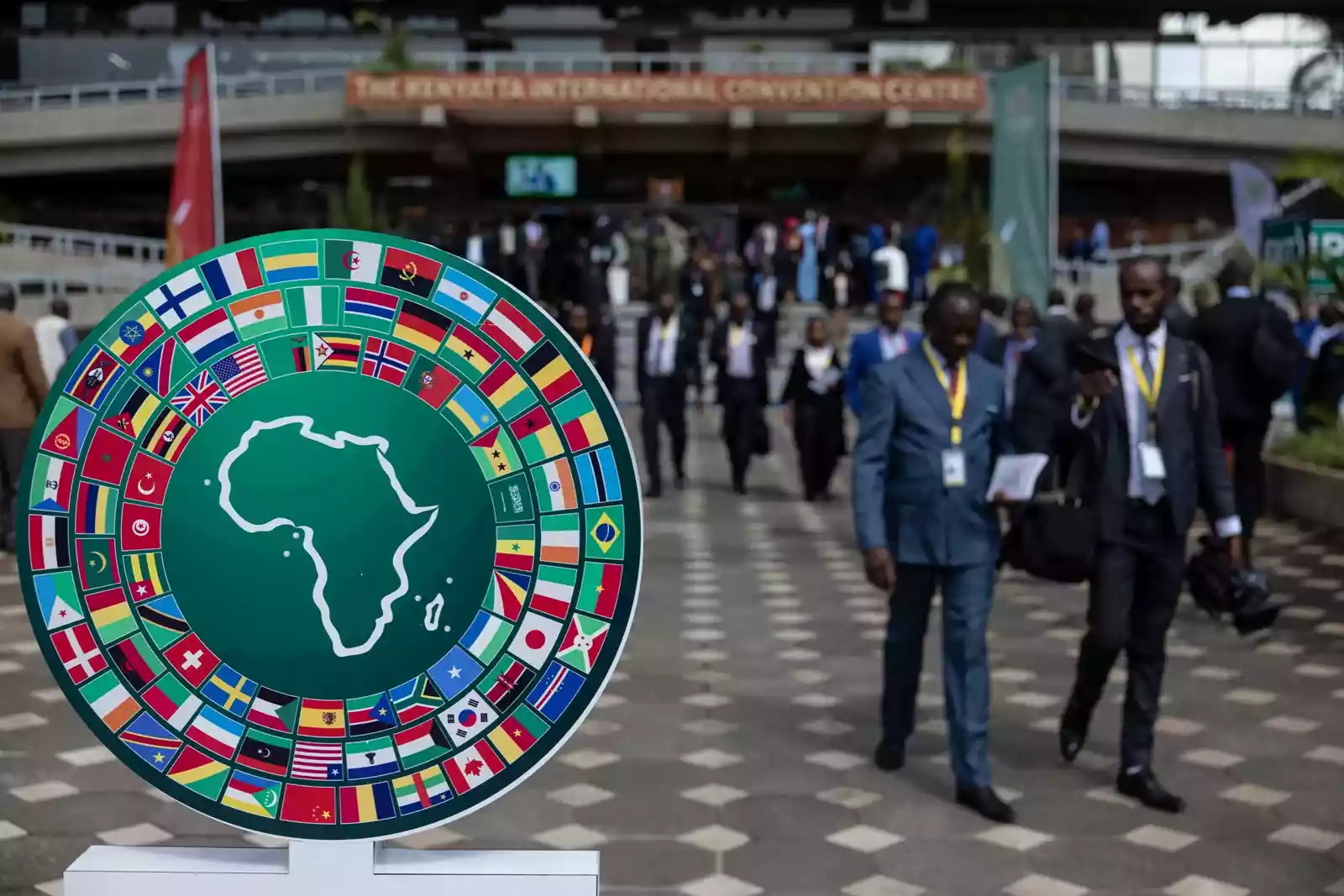
“Favourable weather, ongoing reforms, steady demand, and rising exports are also expected to support growth,” AfDB said in its new African Economic Outlook 2026.
“Inflation is expected to ease to 14,7% in 2026 and 10,1% in 2027, aided by exchange rate stability, tight monetary policy, and adequate food supply.
“The fiscal deficit is projected at 0,7% of GDP in 2026 and 0,5% in 2027, amid high fuel and import costs.”
- New perspectives: Building capacity of agricultural players in Zim
- New perspectives: Building capacity of agricultural players in Zim
- Xenophobic attacks against Zimbabweans barbaric
- AfDB president Adesina coming to Zimbabwe
Keep Reading
The bank said the external position was expected to shift to a current account deficit of 0,2% of GDP before returning to a 1,3% of GDP surplus in 2027, reflecting volatile energy prices and trade uncertainty.
“Key risks include global economic uncertainties, tight financing conditions, the Middle East conflict, commodity price volatility, a high wage bill and unresolved external debt arrears, underscoring the need to rebuild reserves and strengthen macroeconomic stability,” AfDB said.
The bank advised Zimbabwe to accelerate inclusive growth by strengthening domestic resource mobilisation (revenue at 15,9% of GDP in 2025), deepening its existing financial and capital markets (currently capitalised at about 25%–30% of GDP), and leveraging its natural capital.
However, the challenge is that the government continues to make several policy changes that upset both local and foreign investors.
This includes the lithium raw export ban, forcing foreign investors out of small-scale gold mining, the continued maintenance of artificial forex rates, and last December’s new indigenisation policies that have already cost billions of dollars worth of investments.
“Priority reforms include modernising revenue systems, promoting formalisation, and diversifying financing partnerships.
“Mobilising domestic savings and diaspora remittances, through deeper, more efficient financial and capital markets and appropriate blended-finance instruments, is essential.”
The bank spoke of diaspora remittance as it estimates Zimbabwe diaspora is now generating US$3,5 billion annually.
“Complementary measures include empowering youth and women, easing micro, small and medium size enterprise constraints, strengthening public financial management, and expanding public–private partnerships and concessional financing.”
AfDB noted that low reserves and high exposure to external shocks constrain the economy, limiting access to long-term capital.
Hence, targeted reforms are needed to strengthen the financial architecture and expand long-term finance.
“Priorities include improving the monetary–fiscal interface, strengthening reserves, deepening capital and money markets, and enhancing oversight.
“Expanding long term finance requires developing local-currency bond markets, improving credit information, and advancing pension and insurance reforms, supported by fintech driven inclusion, stronger development finance institutions and regional integration.”