BEVERAGE maker Delta Corporation Limited has set aside US$120 million in capital expenditure (capex) for the financial year ending March 31, 2027, as it moves to expand capacity amid rising demand.
For the year ended March 31, 2026, Delta recorded revenue of US$1,09 billion, a 35% increase from the previous year.
Growth was driven by an improved product and pricing mix, as well as a rise in foreign currency-denominated domestic sales, which increased by 14 percentage points to 94%. Lager beer volumes grew by 19%, while sorghum beer, non-alcoholic beverages, and wines and spirits rose by 19%, 14%, and 50%, respectively.
Profit after tax climbed nearly 36% to US$151,85 million. The group generated about US$199 million in operating cash flow and closed the period with US$56,76 million in cash and cash equivalents.
Finance director Alex Makamure said the FY27 capex pipeline is approximately 2,7 times higher than the previous year.
“Total planned capex is US$120 million, comprising expansionary projects: US$24,9 million contracted and ordered, and US$95,1 million authorised but not yet contracted,” he said, adding that the programme will be financed through internal cash generation and existing facilities, with no new debt required.
These funding resources include “total borrowings of US$16,2 million (including US$8,1 million overdraft) against US$56,8 million cash.”
“Ongoing capex programme is targeting capacity expansion and plant upgrades to support demand,” Makamure said.
- Delta shines as headwinds torment ZSE firms
- The role of PR & communications in 2022
- US dollar dividends are back: What does this signal?
- Business leader Enos Chiura dies
Keep Reading
The group’s financial performance for the year ended March 31, 2026, left Delta with US$1,79 in liquid assets for every dollar of short-term debt.
Total assets rose 34% to US$591,43 million, driven largely by increased investment in property, plant, and equipment, as well as higher inventories.
Chairperson Todd Moyo said shareholders’ equity stood at US$394 million, with a net funding position of US$40,5 million, reflecting strong operational cash generation.
He noted that the group benefited from a centralised treasury system, which secured funding at a weighted average rate of 7%, compared to 9,5% at the subsidiary level.
“Intra-group funding arrangements are eliminated on consolidation. The group’s capital investment programme continued throughout the year, targeting manufacturing capacity expansion and equipment upgrades,” Moyo said.
He attributed the group’s strong performance to currency stability, declining inflation, and improved availability of key raw materials.
Moyo added that favourable economic conditions — supported by improved agricultural output, stable commodity prices, and diaspora remittances — created opportunities for investment ahead of demand.
However, he cautioned that geopolitical risks, including global trade tensions and supply chain disruptions, could increase input and logistics costs.
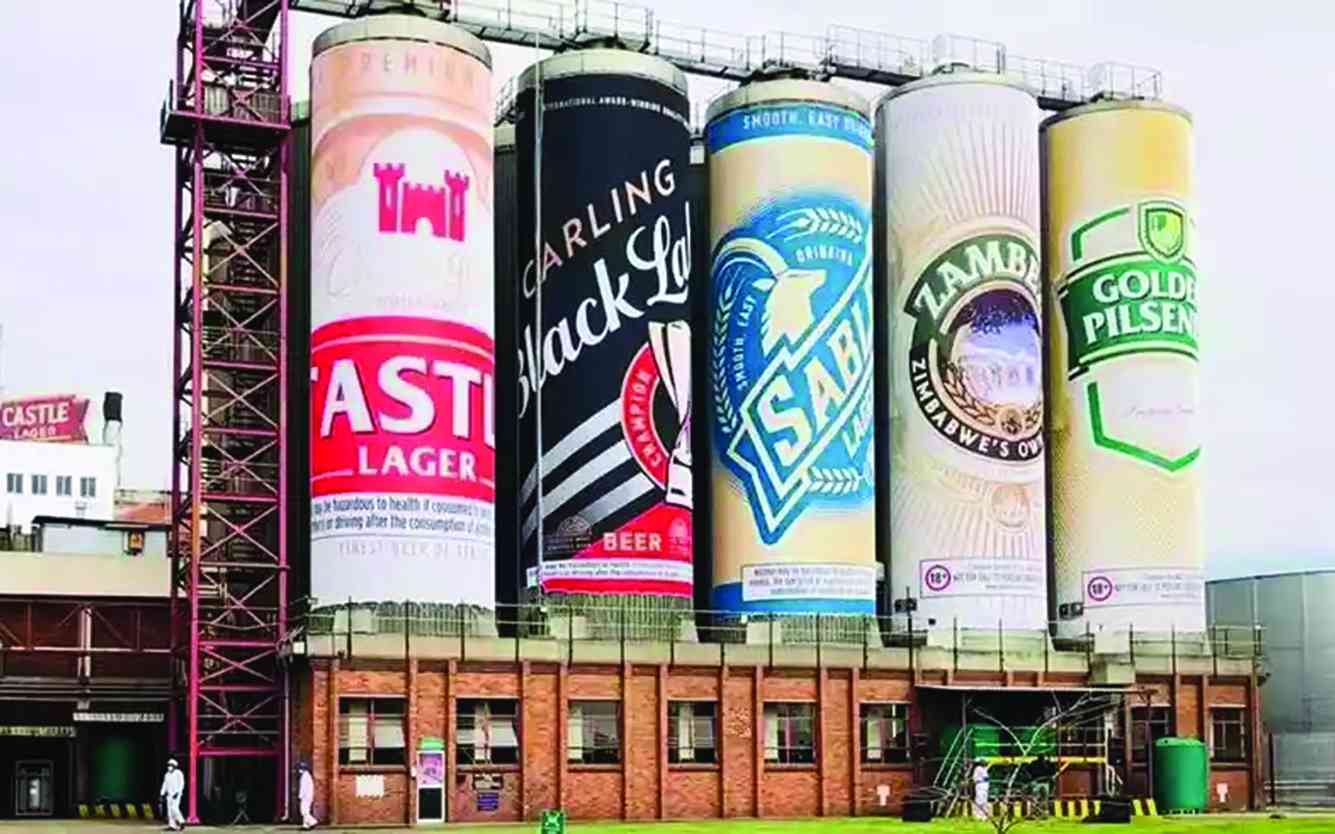
In response, Delta is accelerating capacity expansion projects, including upgrades at Belmont brewhouse and Southerton Brewery.
Despite extended commissioning timelines due to global disruptions, the group said it remains focused on expanding capacity and meeting rising consumer demand.