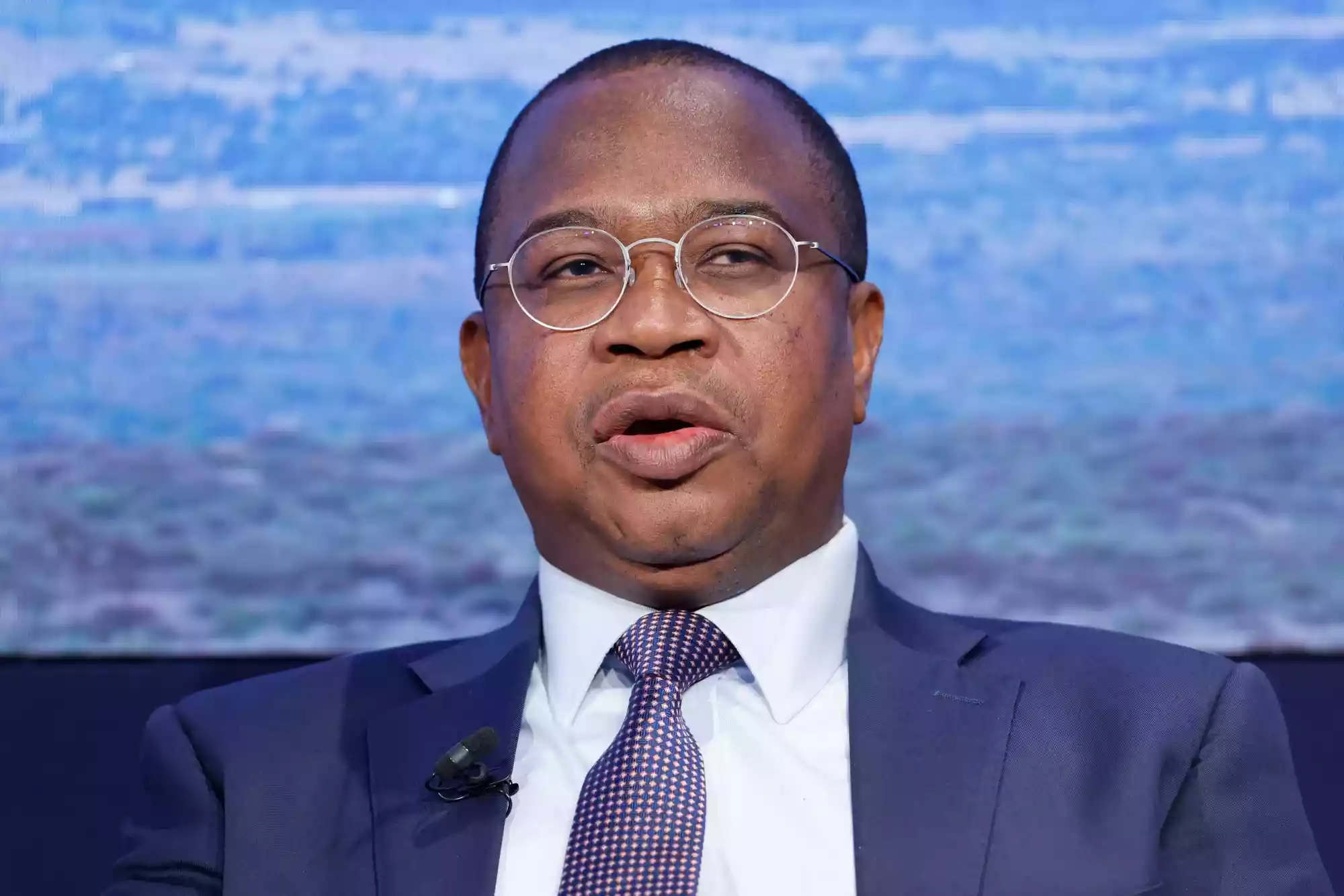
AFRICA can no longer tie its economic future to the “benevolence of others”, Afreximbank president and board chairperson George Elombi said on Wednesday, urging countries to harness the continent’s 1,4 billion-strong market to drive industrialisation and self-sustaining growth.
His remarks come as global protectionism rises and multilateralism weakens, prompting African leaders to accelerate implementation of the African Continental Free Trade Area (AfCFTA) to reduce reliance on external partners and shield the continent from trade shocks.
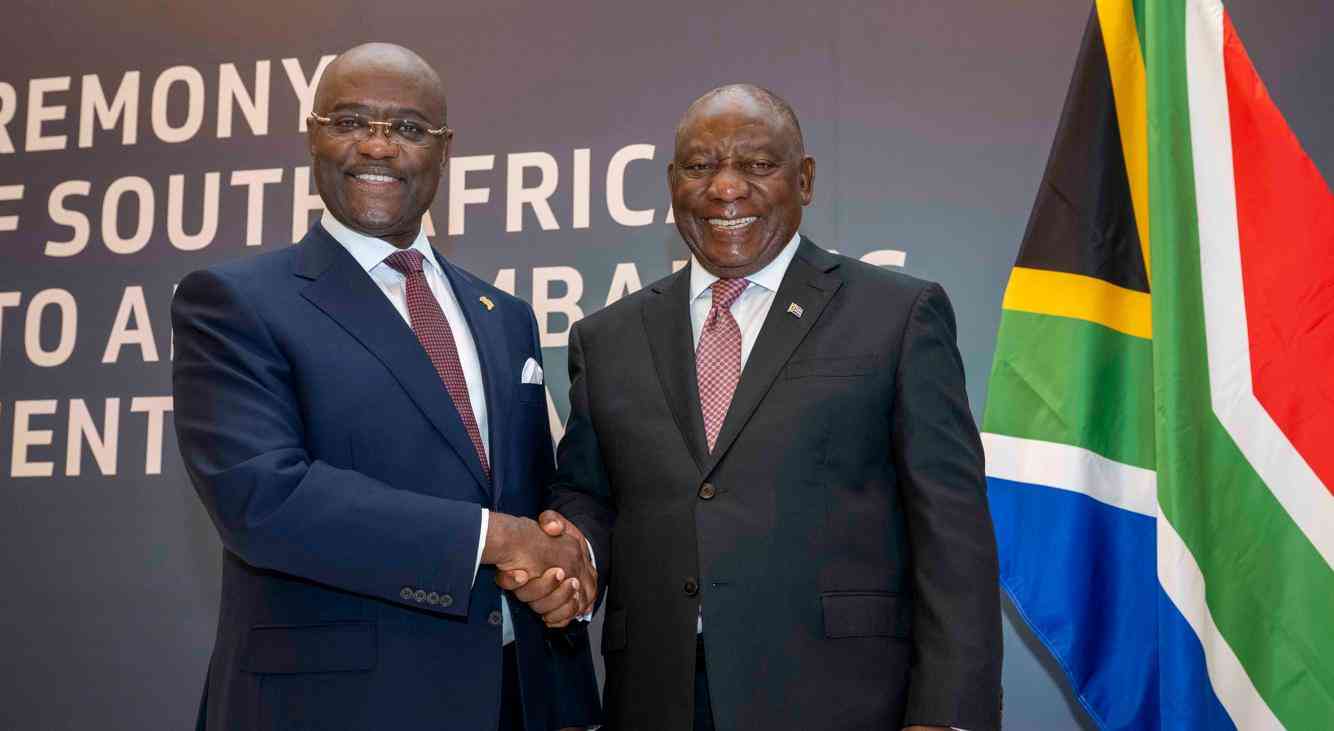
Speaking at the signing ceremony of South Africa’s accession to the Afreximbank Establishment Agreement, Elombi said growing attacks on multilateralism should embolden African nations to unite and take charge of their economic future.
“This partnership could not have come at a better time — perhaps to remind us that those who built the modern world on the foundation of global cooperation and multilateralism may now be turning their backs on it,” he said.
“The fate of our economies, the destiny of the African people, can no longer be tied to the benevolence of others. Today, we assume full responsibility for our economic destiny.”
Elombi said Africa’s 1,4 billion people should become the primary market for the continent’s manufactured goods and a reliable source of raw materials.
“We have abundant resources and enough capital to invest in processing capacities,” he said.
His comments come amid intensifying de-globalisation trends, with several countries adopting inward-looking policies. The United States, under President Donald Trump’s second term and his “Make America Great Again” agenda, has withdrawn from major international organisations such as the World Health Organisation and taken positions that diverge from some Western allies.
- Power crisis needs practical solutions
- Dangers of Arab Spring in SA
- Zimbabweans fork out US$24m for SA permits
- Power crisis needs practical solutions
Keep Reading
South African President Cyril Ramaphosa described his country’s accession to the Afreximbank Establishment Agreement as a “major milestone in our quest to realise the economic integration of our continent”.
“South Africa’s accession to the African Export-Import Bank affirms our commitment to African industrial development and to deepening trade, investment and development across our continent,” he said.
Against this backdrop, Africa is pushing ahead with the AfCFTA, widely seen as a buffer against global trade volatility.
Signed by all African countries except Eritrea, the AfCFTA is the world’s largest trading bloc by membership. The World Bank estimates the agreement could lift 50 million people out of poverty by 2025. If fully implemented — including harmonised investment and competition rules — it could boost regional income by up to 9%, or US$571 billion.
Intra-African trade is gaining momentum, rising 12,4% to US$220,3 billion in 2024 after a 5,9% contraction in 2023, according to the African Trade Report.