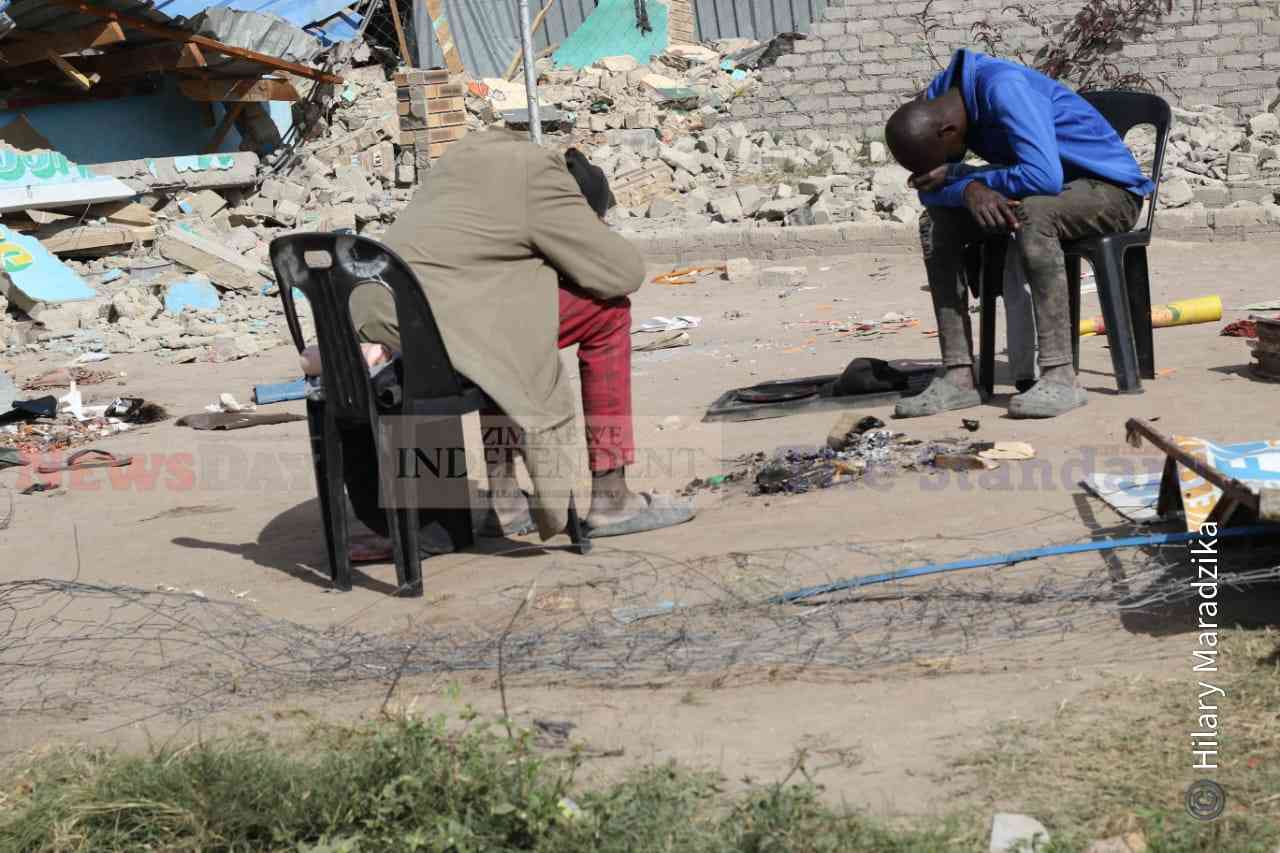
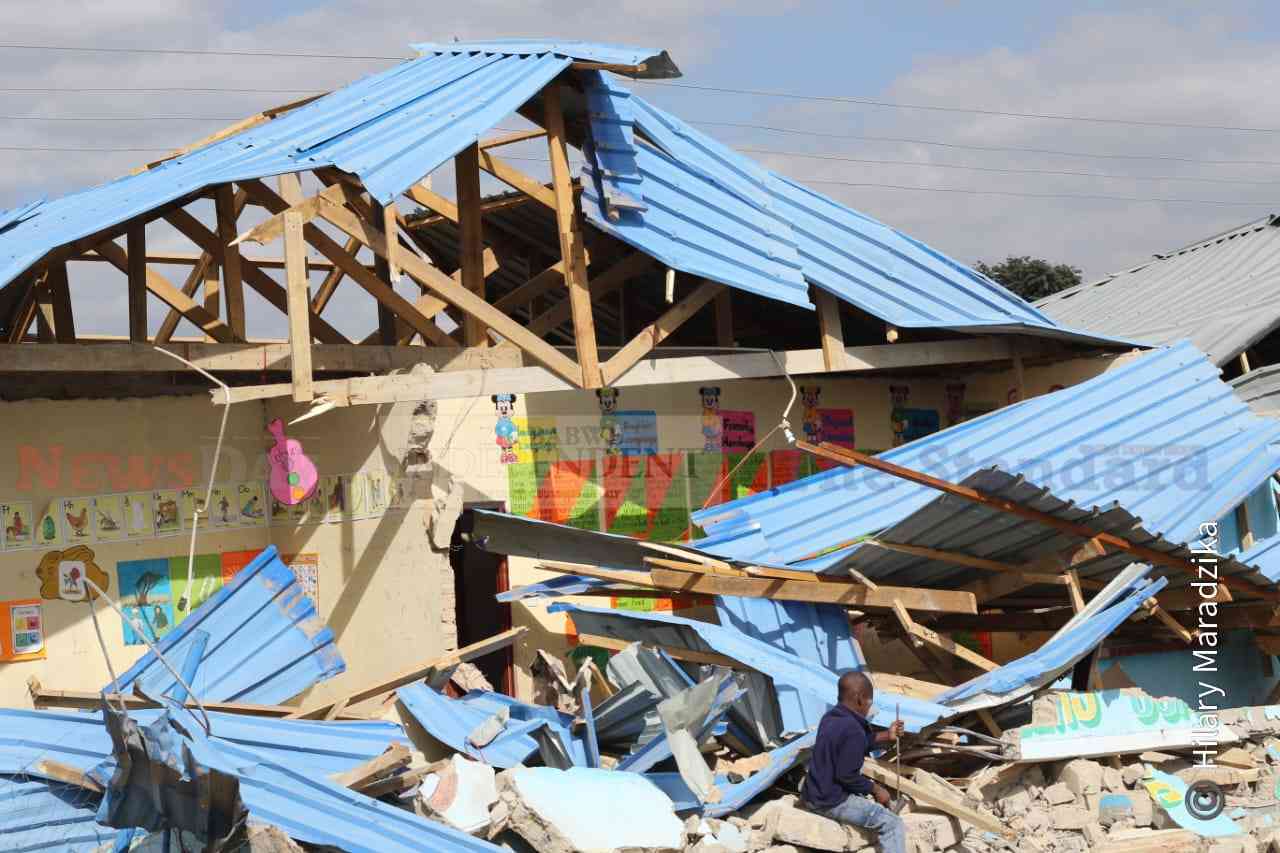
THE heartbreaking scenes emerging from Stoneridge in Harare have left many Zimbabweans disturbed and asking difficult questions about the kind of society we are becoming. As winter temperatures continue to fall, hundreds of men, women, children and elderly people have been left exposed to the cold after their homes were demolished on disputed land. Watching residents cry as bulldozers reduced years of sacrifice, hope and investment into piles of rubble was painful. No matter what legal arguments may exist, no human being should celebrate the sight of families sleeping in the open, especially during winter. At the centre of this tragedy are not structures made of bricks and cement, but human beings whose lives have been turned upside down.
Many people will argue that these were illegal settlements and that the law must take its course. Indeed, the law is important, and orderly urban planning is necessary for any modern society. However, the question that continues to trouble me is simple: how did these houses reach completion without intervention? A house does not emerge overnight. Foundations are dug, walls are erected, roofs are installed, and services are often connected over many months. Where were the authorities during all these stages? Why were warnings not issued early enough? Why were preventive measures not taken before families poured their life savings into these structures? These are questions that deserve honest answers.
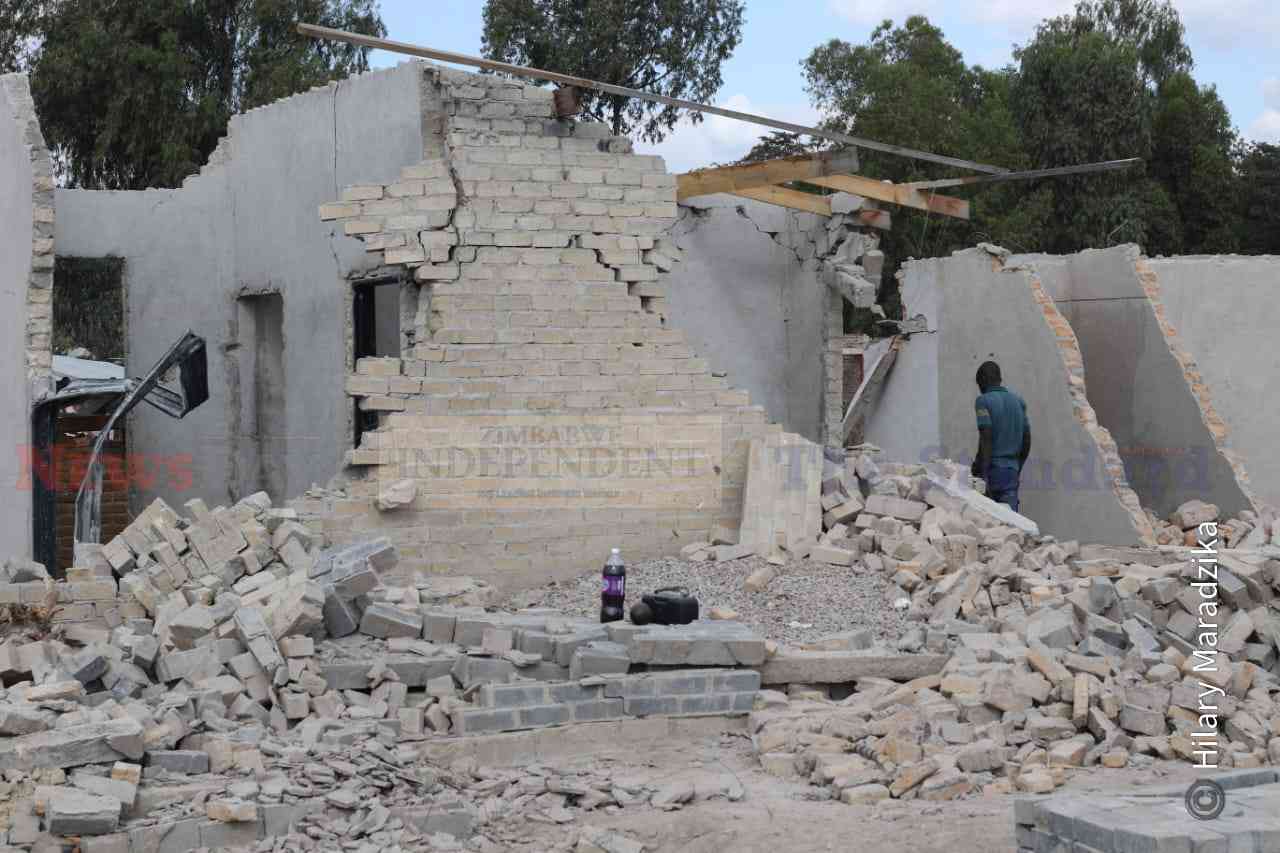
What makes the situation even more troubling are long-standing allegations that politically connected individuals and land barons have, over the years, allocated or sold land to desperate home seekers. Zimbabwe faces a serious housing crisis. Thousands of citizens dream of owning a home, and many are willing to take risks because formal housing opportunities remain beyond their reach. In such circumstances, vulnerable people can easily become victims of manipulation. If indeed some individuals encouraged settlements for political gain, promised protection, collected money, and later abandoned the same people, then the tragedy goes beyond a simple land dispute. It becomes a story of exploitation, betrayal and the abuse of public trust.
The tears of the affected residents reveal a deeper issue. These are not merely people who lost buildings. They are citizens who feel forgotten and disposable. In one of the viral videos, an elderly resident cried and asked, "Are we not Zimbabweans too?" That question should trouble every policymaker and every leader. Citizenship must mean more than voting during elections. It must mean dignity, protection and inclusion. A nation cannot claim to value its people while treating the poor as obstacles whenever convenient. The true test of leadership is not how it treats the powerful but how it treats the vulnerable.
The reported involvement of a foreign landowner has added another emotional dimension to the debate. This is not because Zimbabweans are opposed to foreigners owning property or investing in the country. Foreign investment is important for economic growth and development. However, when local families are displaced in circumstances that appear unfair or poorly managed, public frustration naturally grows. The issue is therefore not nationality but justice, transparency and accountability. Citizens want assurance that their interests matter and that they are not being sacrificed while influential individuals escape responsibility.
The Stoneridge tragedy should become a turning point for Zimbabwe rather than just another headline that fades away after a few days. The first priority now should be humanitarian assistance. Government, local authorities, churches, civil society organisations, businesses and well-wishers should work together to provide emergency shelter, blankets, food, clean water and medical support to affected families. No child should sleep in the open because adults failed to resolve land disputes responsibly. Immediate relief is not an act of charity; it is a moral obligation.
- I feel passionate about equality: Chinavainzva
- I feel passionate about equality: Chinavainzva
- Mashayamombe quits politics
- Refusing undocumented children access to school 'wrong and illegal', says lawyer
Keep Reading
There must be a comprehensive and transparent investigation into how the settlement emerged in the first place. The public deserves to know who allocated the land, who authorised developments, who collected money from residents and whether any laws were violated. Accountability must not stop at the residents. If officials, land barons or politically connected individuals played a role in creating the situation, they too must face consequences. Justice cannot be selective. These barons sleep in the comfort of their mansions while the affected children slept on the cold.
Zimbabwe urgently needs a national audit of all informal and disputed settlements. Authorities should identify communities at risk before similar tragedies occur elsewhere. Where possible, regularisation should be explored instead of demolition. If residents can be integrated into urban plans through proper servicing and legal processes, such options should be considered. Demolition should always be a last resort after all alternatives have been exhausted.
More importantly, stronger public awareness systems are needed. Citizens must have access to accurate information about land ownership, zoning regulations and approved housing developments. Many home seekers operate with limited information and are vulnerable to fraud. Local authorities should establish accessible databases and verification systems that allow prospective buyers to confirm the legal status of land before making payments.
Zimbabwe needs a more aggressive affordable housing strategy. The demand for housing continues to grow while supply remains inadequate. When people cannot access legal and affordable housing, informal settlements become inevitable. Government, local authorities, private developers and financial institutions must work together to expand housing opportunities for ordinary citizens. Housing should not be treated as a privilege reserved for the wealthy but as a fundamental component of human dignity.
Above all, this tragedy should remind us of the importance of Ubuntu. Ubuntu teaches us that a person is a person through others. It teaches compassion, solidarity and shared humanity. Laws are necessary, but laws must be implemented with wisdom, sensitivity and respect for human dignity. A nation can enforce regulations without crushing spirits. It can protect property rights without abandoning vulnerable citizens. It can pursue development without losing its humanity.
The images from Stoneridge will remain in the minds of many Zimbabweans for a long time. They should not merely provoke sadness; they should provoke reflection and action. The real question is not only who owns the land. The bigger question is whether we still possess the humanity to ensure that justice, accountability and compassion walk together. A nation that protects both the rule of law and the dignity of its people is a nation that truly honours its citizens. That is the Zimbabwe many people still hope to see.
*Lawrence Makamanzi is a researcher and analyst. He can be reached at [email protected] or on 0784318605