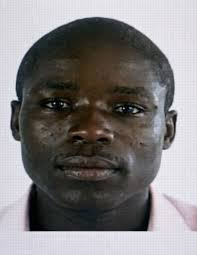
The capture of Anymore Zvitsva has finally brought a semblance of peace to the terrorised hills of Guruve, but for the women of Zimbabwe, the nightmare is far from being over.
For months, this man operated as a shadow of death, systematically hunting, raping, and butchering women and girls with a level of depravity that defies human comprehension.
The relief that engulfed Guruve is palpable, yet it is heavily shadowed by a collective trauma that will likely haunt the community for generations.
Zvitsva did not just end lives; he desecrated the very essence of human dignity, dismembering his victims and discarding their remains in the forests like refuse, effectively denying grieving families the basic right to accord their loved ones proper burial.
The details of his crimes are nothing short of demonic. Among the harrowing accounts of survival and loss is the story of a young girl whose body was treated with a cruelty that no human being should ever endure.
Reports indicate that Zvitsva raped her and used a stick to violate her internally, a signature of the sheer malice he harboured towards the female body.
This is not just a story of a “serial killer”; it is a stark manifestation of the extreme violence women face in a society where their safety is often a secondary concern.
While I attempted to reach out to the survivors to give them a platform to share their pain, the reality of their situation is a barrier in itself.
- Guruve women yearn for political recognition
- Lifeline for Chitungwiza Arts Centre
- Guruve women yearn for political recognition
- Lifeline for Chitungwiza Arts Centre
Keep Reading
Most are minors, protected by law and shrouded in a silence born out of deep-seated trauma, while the physical distance and their fragile mental states make in-person testimony nearly impossible.
They are the living dead, carrying scars that no court sentence can ever fully heal.
Perhaps most chilling is the suspect’s total lack of remorse. When First Lady Auxillia Mnangagwa visited him, she was met not with a man broken by the weight of his sins, but with a cold, detached individual who narrated his gruesome murders and rape with unsettling ease.
Despite his previous stints in jail, Zvitsva appeared entirely unfazed by the prospect of being locked up again. This brazen attitude is fuelled by a dangerous narrative currently bubbling on social media. It is deeply disturbing to see some Zimbabweans hailing this monster as “Chibaba” or using his alleged mental instability and troubled background to provide a cushion for his crimes.
This made me understand why notorious serial killers like Jeffrey Dahmer had fans.
While upbringing and mental health are factors that shape a person, they are never justifications for the systematic hunting of women. To use these excuses is to spit on the graves of his victims.
No background, however traumatic, gives a man the right to decide who lives and who dies or to treat women as nothing more than prey for his twisted fantasies.
Furthermore, Zvitsva’s hints at the involvement of accomplices, though currently unproven, should send a shiver down the spine of every citizen.
If there are others like him walking among us, the women of Zimbabwe remain in grave danger.
We cannot afford to look at this as an isolated case of one “madman” in Guruve.
We must demand a more robust protection system for our girls and a legal framework that ensures such predators never see the light of day again.
We must stop romanticising “tough” criminals on social media and start centring the voices of the victims.
As a nation, we need to ask ourselves: how many more women must be sacrificed before we take the safety of the girl child seriously?
We call upon the authorities to investigate every lead regarding potential accomplices and to ensure that justice is not just done, but seen to be done.
Let this be a turning point where we stop making excuses for the inexcusable and start building a country where a woman can walk through a forest or a village without looking over her shoulder for a monster.