CHANGE is inherently difficult. Individuals and organisations often resist it due to fear of the unknown, loss of control, or disruption of established practices.
These dynamics are evident in the debate over the Health ministry’s proposal to revise regulations governing medical aid societies — frameworks that have remained largely unchanged since Statutory Instrument 330 of 2000 was promulgated.
For many years, the system functioned adequately.
However, in recent years, a number of medical aid societies have shifted towards profit-oriented health service provision.
By delaying or limiting payment to service providers, they have retained surplus funds to invest in infrastructure such as clinics, hospitals and laboratories.
Yet these funds originate from members’ contributions and are intended primarily to finance healthcare services.
Medical aid societies argue that members should be consulted on the proposed regulatory amendments.
Implicit in this stance is the assumption that members lack sufficient understanding of the rationale behind the reforms.
- Opinion: Corruption a threat to viability of health systems
- Medical aid societies defend service charges
- Health talk: Zim health system grapples with corruption
- Health talk: Unnecessary interference frustrating private medical sector
Keep Reading
However, the ministry’s proposals stem from substantive concerns.
Medical aid societies have increasingly exerted disproportionate influence in the healthcare sector.
In some instances, they dictate tariffs, decline to register new practitioners, or reject legitimate clinical requests — such as CT scans — on restrictive grounds, including limiting authorisation to specialists, despite general practitioners being fully capable of diagnosing conditions like stroke.
Delayed payment, partial reimbursement, and administrative technicalities have placed significant strain on healthcare providers.
As a result, patients are experiencing what is colloquially termed “double pashashi”: they pay monthly subscriptions yet still face shortfalls at the point of care.
Providers, responding to delayed or inadequate payments, sometimes reject medical aid cards or require co-payment.
Ultimately, patients bear the burden of systemic inefficiencies.
Calls for consultation must be examined critically.
Consultation processes can be inherently subjective, particularly when conducted by interested parties.
If led by medical aid societies, outcomes may reflect their institutional interests.
If driven by service providers, the findings may similarly lean in their favour.
Even ministry-led processes may face perceptions of bias depending on who conducts the research.
In such a contested environment, eliminating bias entirely is challenging.
A broader question arises: have medical aid societies historically consulted members on how their contributions are utilised?
Concerns have been raised regarding substantial expenditures on renovations, infrastructure and overseas conferences.
Were members engaged in making these decisions?
If not, why is consultation now positioned as essential only when regulatory oversight is proposed?
Medical aid societies must adhere to their core mandate: using members’ funds to pay for healthcare services rendered.
Diversification into health service provision should not compromise timely and adequate reimbursement of practitioners.
As Zimbabwe advances towards a National Health Insurance model, alignment with national health policy objectives is critical.
Asset consolidation and infrastructure expansion can support this transition, but governance and accountability must remain central.
The Health ministry should, therefore, proceed decisively with regulatory reforms in the public interest.
Policy reform should not be derailed by selective consultation or resistance rooted in institutional self-preservation.
The priority must remain equitable, efficient and patient-centred healthcare financing.
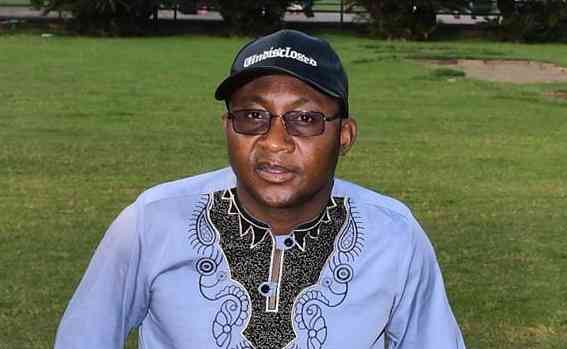
Johannes Marisa is a medical practitioner who is the current president of the Medical and Dental Private Practitioners Association of Zimbabwe.