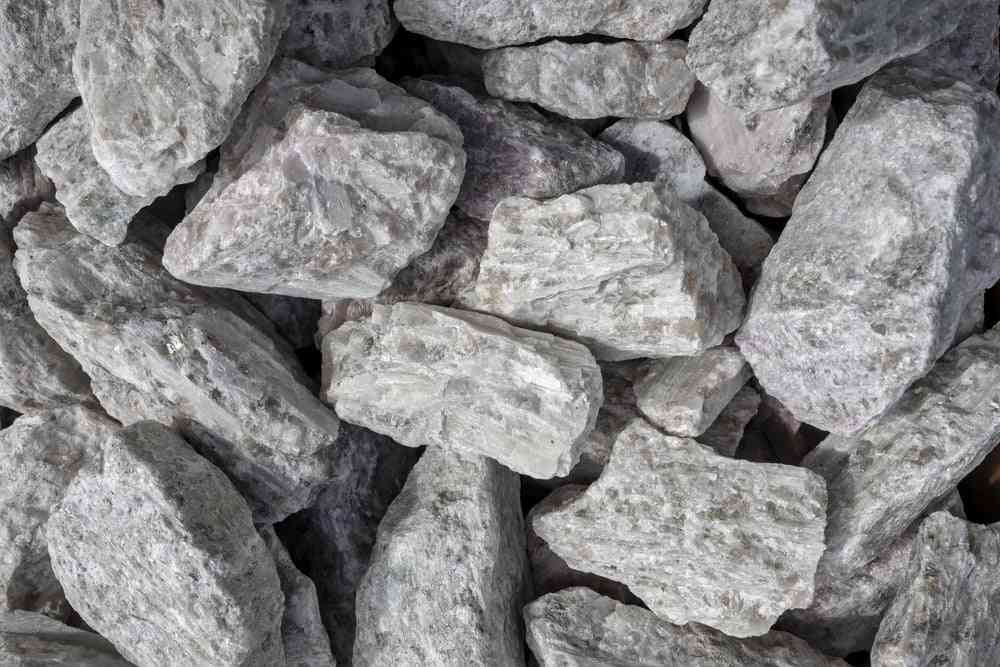
The suspension of lithium and raw mineral exports by the Zimbabwean government marks a defining moment in the country’s industrial and economic history.
As announced by Mines and Mining Development minister Polite Kambamura, the directive — to take “immediate effect” and remain until “further notice”—signals a long-overdue recognition that exporting raw wealth perpetuates a cycle of dependency and underdevelopment.
For too long, Zimbabwe has shipped out its mineral riches in their crudest form, receiving crumbs while foreign refiners and traders reap the true rewards.
This policy shift, anchored in a push for beneficiation and value addition, is not merely bureaucratic—it is existential, a fight to reclaim economic sovereignty and to rewrite a script that has kept Zimbabwe rich on paper but poor in practice.
Lithium, the so-called “white gold” of the 21st century, represents far more than mineral potential — it is the future of energy, mobility and clean technology.
With global demand rising due to the proliferation of electric vehicles and power storage systems, Zimbabwe occupies a strategic place in the world’s green revolution.
The African Development Bank recently ranked the nation as the fifth-largest producer of lithium worldwide, underscoring its importance in the global supply chain.
However, while the world sells refined lithium chemicals at premium prices, Zimbabwe continues exporting spodumene ore and lithium concentrates — capturing only a fraction of its mineral’s real value. Such a model is unsustainable, unjust and economically reckless.
- Zimbabwe deals help China tighten African lithium grip
- Zimbabwe deals help China tighten African lithium grip
- Zimbabwe’s huge say in US$60m lithium market
- Pioneering Zim lithium executive steps down
Keep Reading
The government’s current stance, then, while abrupt, is a necessary disruption that could realign Zimbabwe’s extractive sector with its development aspirations.
But if the suspension is to be more than a sound bite — if it is to truly transform Zimbabwe’s fortunes — it must be matched by decisive structural reforms, transparent governance and genuine local empowerment.
We cannot deny that past “value addition” drives have often been hijacked by the corrupt elite or foreign corporate interests. The mineral wealth meant to fund hospitals, schools and roads has too often vanished into private pockets or offshore accounts.
This time it must be different. The government must subject all exports to rigorous scrutiny and ensure that institutions like the Zimbabwe Revenue Authority and Minerals Marketing Corporation of Zimbabwe enforce these new regulations without fear or favour.
Test consignments, verify declared content and confiscate smuggled shipments — as the directive promises — but, above all, ensure that this process is insulated from political interference and patronage networks. Transparency, not slogans, will determine whether beneficiation becomes a national revolution or just another lost opportunity.
At the same time, Zimbabwe must rethink its relationships with foreign investors, particularly the Chinese firms that dominate the country’s lithium landscape.
Bikita Minerals, now under Sinomine Resource Group, Arcadia mine under Zhejiang Huayou Cobalt, and Premier African Minerals linked to Suzhou TA&A, are all symbols of how deeply entrenched foreign control remains.
While these companies have injected capital and revived mines, they have also sparked accusations of environmental degradation, labour exploitation and uneven benefit sharing.
Rivers are poisoned, ancestral lands are desecrated and communities around mining sites are left impoverished while trucks carrying wealth speed past their villages.
Zimbabwe cannot afford to trade one form of dependency for another. If the lithium suspension is to herald a new dawn, then Zimbabwe must strike new deals where investors come as partners, not proprietors.
Our minerals should not be collateral for foreign profit — they must be the foundation of national renewal.
Perhaps this is the right moment for Zimbabwe to consider bolder structural reforms — possibly even partial nationalisation of its key mineral assets. Other nations have done so successfully.
Burkina Faso, for instance, has taken assertive steps to ensure greater State participation in mining ventures, making sure revenues circulate domestically.
A similar model, adapted to Zimbabwe’s unique circumstances, could help to protect national interests while still inviting strategic partnerships and technical expertise.
With the right policy mix, Zimbabwe can leverage its lithium wealth to mobilise revenue for hospitals, education and social services — sectors that are currently in decay.
The health system is battered, donor funding is shrinking and preventable diseases like malaria and TB still claim lives daily. We need to resuscitate our healthcare system and the money is literally beneath our feet. Beneficiation is not just an industrial policy — it is a survival strategy for our nation.
However, we must also be realistic. The suspension of raw mineral exports, while necessary, carries short-term risks.
Companies may slow operations, exports could drop and fiscal inflows might temporarily dip. But these should be viewed as the pains of transformation, not signs of failure.
The long-term rewards — stronger industries, skilled employment, diversified exports and stable revenues — will far outweigh the initial turbulence. What Zimbabwe must guard against is policy inconsistency or elite capture.
There must be clear, time-bound guidelines for beneficiation plant approvals, transparent licensing processes and equitable community benefit schemes.
The revenues from lithium must not vanish into opaque tenders or politically-connected shell companies. Instead, let them build roads, clinics and research hubs that prepare the nation for the coming green economy.
Zimbabwe now finds itself standing at a rare intersection of history and opportunity.
The export suspension, viewed in isolation, may appear merely administrative, but in context, it represents a declaration of intent — a statement that the country will no longer be a warehouse of cheap raw materials for others to refine and profit from.
This moment demands courage, clarity and public accountability. If managed wisely, Zimbabwe’s mineral revolution could propel it towards self-sufficiency and dignity.
But if mismanaged, it will only deepen the cynicism of a people who have too often seen their natural riches turned into private fortunes for the few.
We should, therefore, move faster — yes, with purpose, but also with prudence. Let this be the generation that not only dug the minerals but forged the industries; not only owned the land but harnessed its value.
The suspension of raw lithium exports must not be an end — it must be a beginning: the beginning of a Zimbabwe that finally benefits from its full loaf, not just the crumbs.