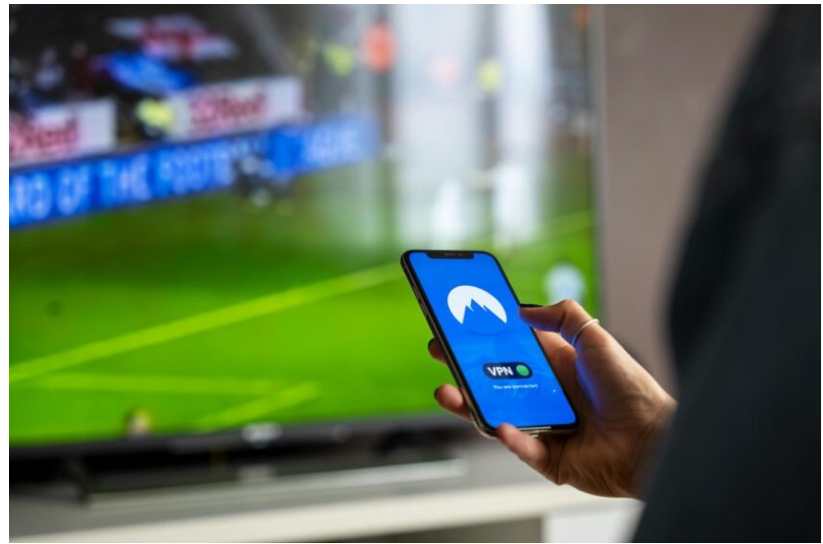
Following international sports once meant planning around television schedules, time zones, and limited coverage. Fans had to wait for highlights or rely on next-day reports to stay informed. Today, that experience has changed dramatically. International competitions now unfold in real time on mobile screens, accessible wherever and whenever fans choose to connect.
Mobile platforms have removed many of the barriers that once separated supporters from global sporting events. A match played thousands of kilometers away can be followed moment by moment, with updates arriving faster than traditional broadcasts. This shift has transformed sports fandom from an occasional, appointment-based activity into a constant, on-demand experience.
As smartphones become the primary gateway to global sports, the way fans engage, react, and stay informed is evolving. International sports are no longer distant spectacles - they are part of everyday digital life, shaped by the speed and accessibility of mobile technology.
Global Sports in the Palm of a Hand
International sport has never felt closer. What once required satellite television, printed schedules, or delayed reports now fits easily into a single device. With a smartphone in hand, fans can follow matches, tournaments, and athletes from across the world in real time, regardless of borders or time zones. Global sport has become a personal, portable experience.
This shift has changed not only access, but expectations. Fans no longer wait for curated summaries; they follow events as they unfold. A goal scored in Europe, a fight decided in Asia, or a final played in the Americas reaches audiences instantly, woven into everyday routines. The phone becomes a constant companion, turning spare moments into touchpoints with global competition.
Mobile platforms thrive because they match how people live today - fast, flexible, and always connected. Instead of committing to long broadcasts, fans dip in and out, check updates, follow storylines, and stay informed without disruption. In that environment, services adapted for mobile users, including region-focused platforms such as 1xbet indo, blend naturally into the wider digital sports ecosystem.
Global sports are no longer something fans watch from a distance. They are carried, checked, and experienced in real time, right in the palm of a hand.
- The Fiddler: The body politic
- Ukraine becoming an international centre for illegal arms trade
- CCC urged to push for dialogue over reforms
- Quality helps Trojan reach Axis Solutions Cup semis
Keep Reading
Real-Time Information Over Full-Length Viewing
For a growing number of fans, following international sports is no longer about sitting through an entire broadcast. What matters most now is being in sync with the moment. Real-time information - scores, key plays, momentum shifts - delivers the essence of competition without demanding hours of uninterrupted attention.
This change reflects how modern life is structured. Fans juggle work, travel, and social commitments, making full-length viewing impractical. Instead, they rely on instant updates that arrive exactly when something meaningful happens. A notification about a decisive goal or a sudden comeback often carries more impact than watching long stretches where little changes.
Real-time access also removes dependence on broadcast availability. In many regions, international events aren’t always shown live or at convenient times. Mobile platforms fill that gap by providing fast, lightweight streams of information that work even on unstable connections. In this context, practical solutions - including options like 1xbet apk indonesia for users seeking direct mobile access - are adopted not for novelty, but for efficiency.
As a result, sports consumption becomes sharper and more focused. Fans stay informed, emotionally engaged, and connected to global events without being tied to a screen. Real-time information doesn’t replace the drama of live sport - it distills it, delivering what matters most, exactly when it matters.
Second-Screen Habits and Everyday Engagement
Sports fandom no longer pauses when the main screen is turned off. For many fans, engagement now lives in the background of everyday life, carried by a second screen that never leaves their side. This habit has reshaped how international sports are followed, making interaction constant rather than occasional.
Second-screen behavior thrives on flexibility. Fans check scores during work breaks, follow live commentary while commuting, and scan statistics between daily tasks. Even when a match is playing on television, the phone adds another layer - offering context, updates from other events, and immediate reactions that deepen understanding of what’s happening.
This everyday engagement keeps sports relevant beyond matchday. Storylines develop through frequent check-ins rather than single viewing sessions. A tournament becomes a daily narrative, unfolding through short interactions that maintain interest over time.
By fitting naturally into daily routines, second-screen habits transform sports from scheduled entertainment into an ongoing presence. Engagement becomes lighter but more consistent, proving that in the mobile era, connection to sport is built not only through watching, but through staying continually informed.
Accessibility Across Regions and Infrastructure Gaps
Access to international sports has never been evenly distributed. For many fans, geography, limited infrastructure, and inconsistent broadcasting have long stood between them and the global games they care about. Mobile technology is steadily closing that gap, reshaping how sports are followed in regions where traditional access has always been unreliable.
Smartphones and lightweight platforms bypass many of the obstacles created by infrastructure limitations. Where television signals are weak, electricity is unstable, or broadband is inconsistent, mobile access provides a more resilient alternative. Fans can follow matches through live updates, brief highlights, and essential information without depending on full broadcasts or high-speed connections.
This accessibility has important cultural consequences. It allows fans in underserved regions to participate in global sports conversations on equal footing. International tournaments, once distant and fragmented experiences, become familiar and continuous. Supporters stay informed, form opinions, and build routines around sports that previously felt out of reach.
By adapting to real-world conditions rather than ideal ones, mobile platforms make global sports more inclusive. Accessibility across regions isn’t just about technology — it’s about recognition. When fans can follow what matters to them despite infrastructure gaps, sport becomes truly global, not just in name, but in experience.
A Mobile-Driven Future for Global Sports Fandom
Global sports fandom is moving toward a future defined by mobility rather than location. As mobile platforms continue to shape how fans discover, follow, and interact with international competitions, the boundaries that once limited access are fading. Sports are no longer tied to specific places, schedules, or screens - they travel with the fan.
In a mobile-driven world, engagement becomes more personal and more flexible. Fans choose how deeply to follow events, switching seamlessly between live moments, updates, and conversations. This adaptability allows global sports to fit into everyday life, not the other way around.
The result is a more inclusive and connected fan culture. Supporters from different regions experience the same moments in real time, share reactions instantly, and build communities that transcend geography. As technology continues to evolve, mobile access will remain the foundation of global sports fandom - not as a trend, but as the new normal.