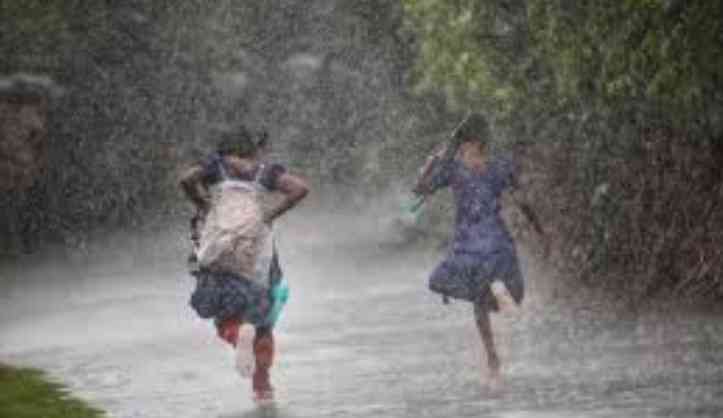
AS the first rains pound much of the country, many households feel a familiar shift.
While the season is welcomed by farmers and brings hope for fuller dams and greener fields, it also signals a difficult period for both parents and students.
For many families, especially in high-density suburbs and rural communities, the rainy season brings new pressures that touch daily routines, family budgets and emotional well-being.
The journey to school becomes one of the greatest challenges.
Footpaths turn to mud, roads flood and children who already walk long distances face slippery routes and unpredictable weather.
Parents often struggle with the worry of safety, especially when learners walk alone.
Simple co-operative solutions like car-pooling or forming neighbourhood walking groups, where older pupils escort younger ones, can ease anxieties and reduce risks.
Some schools may also consider adjusting start times during periods of heavy rain, understanding that safety must take priority over punctuality.
- Minister bemoans shortage of schools
- A celebration of being together
- School of sport: For everything there is a season
- BCC joins Green Cities initiative
Keep Reading
Uniforms and clothing present another layer of strain.
In many households, children only have one pair of school shoes or full uniform.
When these become wet, it can disrupt attendance and comfort.
Encouraging the use of durable gumboots during this season, even if they are not traditionally part of school uniform, can dramatically reduce illness and shoe damage.
Parents may also need to adopt creative drying methods indoors, especially during long stretches of wet weather when sunlight is scarce.
The rainy season also coincides with a time when many families experience food shortages.
Children who go to school without a warm meal are more likely to struggle with concentration and fatigue.
Schools that are able to introduce simple porridge meal plans, even once or twice a week, make a significant difference.
Likewise, encouraging learners to carry warm flasks for tea or leftovers helps them maintain warmth and energy throughout the day.
Warm meals are not only about nutrition, they boost morale and the ability to learn.
Power cuts are another common challenge during this time.
Children who need to complete homework may find themselves in the dark or without charged devices.
Communities can respond by creating shared study spaces or homework groups in homes where lighting is more stable.
Teachers can provide printed revision materials in anticipation of outages and class WhatsApp groups can offer guidance when in-person learning is disrupted.
Perhaps the most overlooked impact of the rainy season is emotional.
Cold mornings, wet clothes and difficult journeys can drain motivation from even the most enthusiastic learner.
Parents are encouraged to set a gentle tone to the morning --- a warm drink, a calm word or even a moment of encouragement can change the energy of the day.
Schools, too, can offer emotional support by opening assemblies with short messages about patience, resilience and looking out for one another.
The rainy season is unavoidable, but its hardships do not have to fall heavily on the shoulders of parents and children.
With shared responsibility, thoughtful planning and community cooperation, we can soften its impact.
Protecting a child’s ability to learn during this time means protecting the journey to school, the warmth on their back, the food in their stomach and the support in their environment.
In doing so, we teach our children that resilience is not simply enduring hard times, but preparing for them together, as families and as a community.