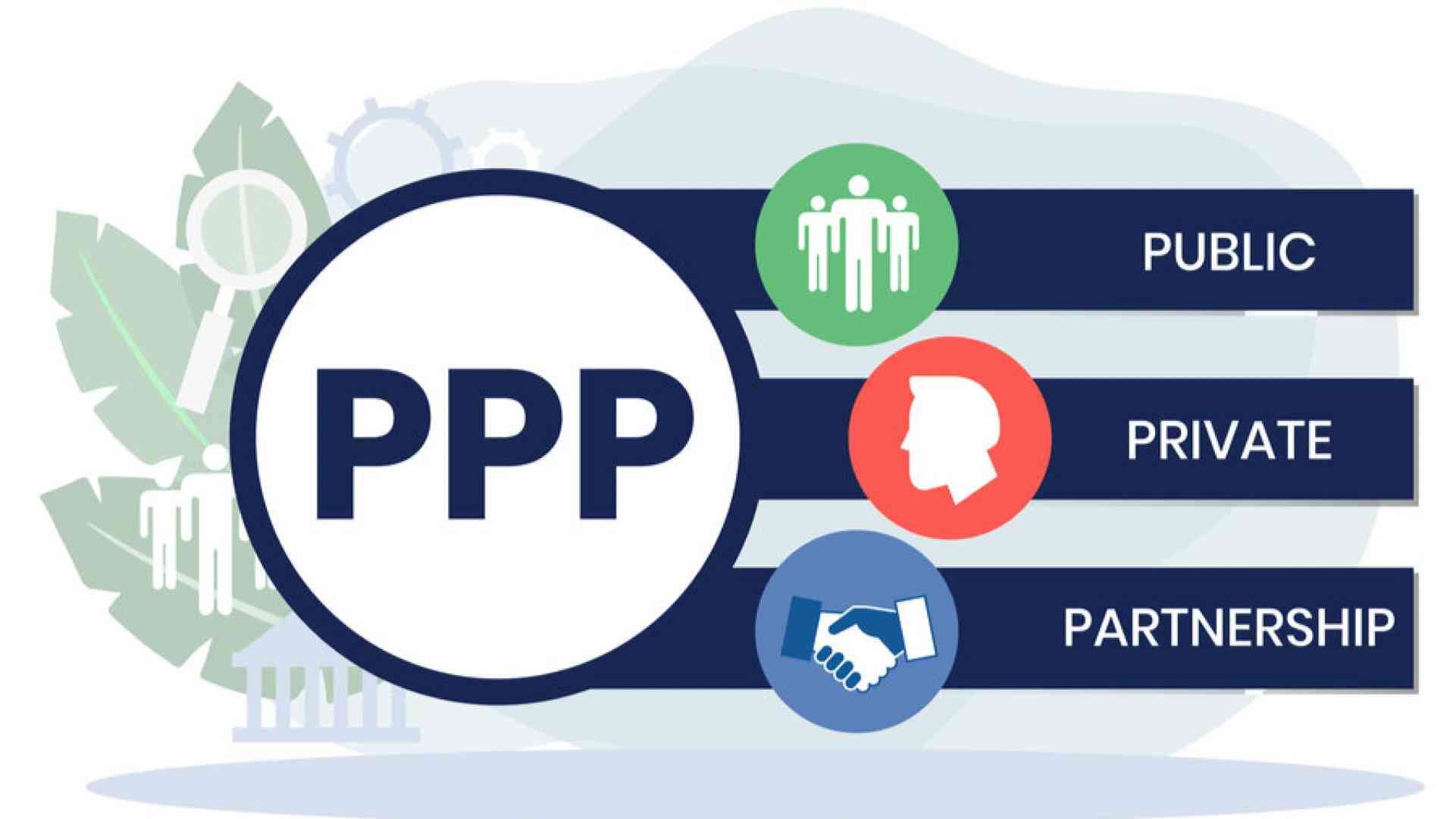
A PUBLIC-PRIVATE partnership (PPP) is a formal collaboration between a government entity (public sector) and a private company (private sector) to deliver a service or a project that is traditionally provided by the government.
The goal is to combine resources, expertise and efficiency of the private sector with the reach, legitimacy and responsibility of the public sector.
Below are some key features of PPPs.
Shared risk and reward
Both government and business partners share in the risks, i.e. market changes, funding or construction delays and the rewards such as long term efficiency gains and revenue from services.
In this collaboration, the government and a private company pull resources together to fund the costs of the project.
Since consumers in the market shift and their tastes and preferences change over the passage of time, engaging an experienced market researcher drawn either from the government or the private company becomes easier due to availability of experts or experienced personnel to do a thorough job.
The product or service which would be produced tends to be of high quality as a result revenue will be high and shared according to the agreed profit sharing ratio.
- Insuring against disaster: The politics of protection
- SA insurer targets Zim after US$2.4 million payouts
- SA insurer targets Zim after US$2.4 million payouts
- ‘Not here for good’ – StanChart exits Zim
Keep Reading
PPPs allow the government to transfer operational and project execution risks to the private sector because quite often private companies employ qualified personnel and they are capacitated financially to carry out such big projects.
Partnership offer a structured outline, where risks are balanced with potential rewards, allowing for long-term value creation and addition.
Long-term agreements
PPPs tend to span many years because such partnerships are for big project infrastructure like hospitals, airports or long stretch of roads which might require for example 10 or more years to complete.
Focus on public service delivery
These two parties engage in a partnership with the ultimate goal of providing a public good or service such as clean water, healthcare among many vital needs.
By improving provision of service delivery the day to day living of the citizens improves and thus their goal would be achieved.
Investment efficiency
Governments often turn to PPPs when they lack upfront capital or specialised expertise.
Most of the companies in private sector invest in latest technology, equipment and skilled labour incorporating specialised management to bring operational efficiency in the execution of the long-term project.
Why PPPs matter?
Bridging funding gaps
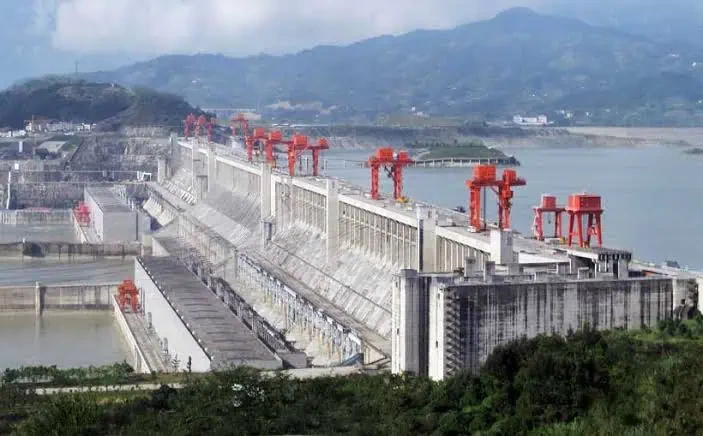
At times, a government could be faced with a financial constraint as such it will partner with a private company which will inject funding while the government will provide semi-skilled labour in the carrying out of an essential project i.e. construction of a dam.
Job creation
PPP projects stimulate and revitalise growth in local economies as public goods or services will be made available to communities thereby improving their day to day living.
Carrying out a big project like building a school requires a lot of workers — skilled and semi-skilled in that regard more people would be recruited for employment.
Sustainable development
After noting the development gap in a particular community, the government partners a private company to deliver services more sustainably by aligning with public sector’s vision.
PPPs support sustainable development so that there will be improvement in service delivery.
Driving innovation
Private companies bring in new technologies and best practices, resulting in efficient management of operations.
Most of the companies in the private sector use latest technology and they usually send their workforce for upskilling and they allow them to be innovative.
PPPs often involve regular performance reporting which leads to high performance standards and consequently production of quality services or products.
Faster project delivery
The decisions are streamlined leading to quality decisions which aid in aligning systems and workforce to the goal of the project.
PPPs are not privatisation, the public sector still ensures public interest, but partners with business to achieve results which neither part could achieve alone.