MANY people discuss tooth decay, but rarely do they talk about its complications.
Tooth problems are never the least of your concerns; if left untreated, they could lead to dental abscess and odontogenic (tooth-related) infections that could further lead to life-threatening conditions.
These dental problems are more than just a nuisance; they are a growing concern and should be treated accordingly by a health professional.
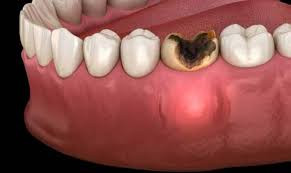
An abscess is described as a collection of pus located in the soft tissue caused by a bacterial infection. It can be excruciatingly painful, characterised by a sharp, throbbing pain in the mouth, a swollen cheek or a foul taste that won’t disappear.
How does an abscess form?
It begins as tooth decay as bacteria erode the hard tissues (enamel and dentin), forming a cavity or a decayed hole. From the dentin, the erosion continues to the pulp, which is the origin of pain in tooth decay.
Once the infection reaches the pulp, it takes less time for pus (usually days to weeks) to form, for the pulp is naturally moist and warm, which aids in the multiplication of bacteria in the pulp, leading to abscess formation.
If untreated, the abscess grows, causing swelling, pain, and possible rupture. Therefore, it will spread to the spaces between the fascial structures, to the jaws, nose, the eyes, the neck and even the brain.
- Mavhunga puts DeMbare into Chibuku quarterfinals
- Open letter to President Mnangagwa
- Feature: ‘It’s worse right now than under Mugabe’: Sikhala pays the price of opposition in solitary cell
- Masvingo turns down fire tender deal
Keep Reading
Dental abscesses can be of several varieties. Periapical abscesses, which typically result from untreated cavities, are the most frequent type and develop at the root tip. Next is the gum abscess, which is frequently seen in patients with severe gum disease. Wisdom teeth can have unique issues of their own. Bacteria that become trapped beneath the gum flap around a partially erupted tooth can cause pericoronitis. Each type presents unique challenges, but all share the potential for serious complications if left untreated.
What are the complications of dental abscess?
Airway obstruction is one of the most feared side effects of severe odontogenic infections.
Airway deviation and constriction may be severe when the infection affects deep fascial areas.
Ludwig's angina, a severe, rapidly spreading infection under the tongue and neck, which is usually caused by infection coming from the lower jaw molars.
Pain, drooling, dysphonia, brawny neck oedema and tongue protrusion or elevation are all part of the clinical symptoms.
Due to the fascial gaps involved, the tongue is frequently forced up and backwards, obstructing the airway. In this case airway can be restored by intubation techniques like video-assisted laryngoscopy and flexible bronchoscopy.
Another complication is sepsis, which happens when the infection gets into your bloodstream.
This serious illness needs to be treated in a hospital very far away since it can lead to organ failure. It's startling to consider that something as minor as a cavity could land you in critical care, yet it happens more frequently than most people think.
Although rare, a brain abscess brought on by dental decay is a very serious medical emergency. Severe headaches, fever, nausea, neurological impairments (such as weakness or difficulty speaking) and even seizures are some of the symptoms that arise when bacteria from an untreated tooth infection enter the bloodstream or the brain tissue directly. Without timely care, which includes intravenous antibiotics and frequent surgical drainage, a brain abscess can cause death, coma or irreversible brain damage. Certain groups are especially vulnerable.
People who avoid dentists due to cost or fear are at higher risk, as are those with diabetes or weakened immune systems. Smokers face additional challenges because tobacco use slows healing. Even people in generally good health can find themselves in trouble if they ignore dental problems for too long.
The good news is that this entire chain of events can be stopped with proper care if not too severe. Regular brushing and flossing remove the bacteria that cause decay in the first place. Dental check-ups every six months allow professionals to detect problems early, when they're easiest to treat. When toothaches do occur, seeing a dentist right away can mean the difference between a simple filling and a serious infection. Every abscess needs drainage and treatment with antibiotics prescribed by your physician. It is crucial not to use antibiotics from your previous treatments for self-treatment because of a phenomenon called bacterial resistance. It is described as the inability of the bacteria to respond to the medication, due to overuse.
If you suspect you have an abscess, do not wait, but visit the dental office as soon as you can. Rinsing with warm salty water can provide temporary relief, but only professional treatment can solve the problem. Over-the-counter pain relievers may help to manage symptoms, but they won't stop the infection. And if you experience significant swelling, breathing problems or a high fever, you should seek emergency care immediately.
It is important to understand that tooth decay is never "just a cavity". It is the first step on a path that can lead to life-threatening conditions. Hence, by taking dental problems seriously and seeking timely care, you are not just saving your teeth; you might be saving your life. Also remember that persistent tooth pain is not normal and swelling is not something to ignore. Your mouth sends warning signals for a reason — listen to them before a small problem becomes a big crisis. In the end, an hour in the dentist's chair today could prevent weeks in hospital tomorrow.
Patience Matambo (BSc Dental Surgery) champions the notion of improved dental literacy in Zimbabwe and Africa at large as an endeavour towards the realisation of the one health objectives. She can be reached at [email protected].