
When Paul Diamond, a former Zimbabwe businessman, joined forces with seven other survivors of sexual assault in the Frankel Eight case, he didn’t just change his life—he helped reshape the South African legal system. Their fight wasn’t about revenge, but about ensuring that survivors could seek justice no matter how much time had passed since their assault. In 2017, their efforts resulted in a landmark ruling that sent shockwaves through the country and beyond. The Frankel Eight rewrote the rules, dismantling an outdated and unjust law in a battle for truth, dignity, and accountability.
The 20-year statute of limitations running out—Paul Diamond and the Frankel Eight fought to ensure that time would no longer limit justice for sexual assault survivors.
But the real question is: how did they do it? And why does this case matter so much today?
Before the Frankel Eight: South Africa’s 20-Year Rule
Before 2017, South African law had a strict 20-year limit on prosecuting sexual assault cases. The idea was simple: after two decades, the crime was considered too old to prosecute. While this rule applied to many crimes, its impact on sexual assault cases was particularly devastating. Victims often struggle with the trauma of their assault for years before they can come forward. For many, the legal clock had already run out by the time they felt ready to speak.
The 20-year rule essentially erased the possibility of justice for countless survivors. This timeline ignored the reality that sexual violence is often hidden, shameful, and difficult to process. Many survivors don’t report until years later, making the law a form of institutionalized victim-blaming. It wasn’t just unfair—it was a barrier to justice that left survivors feeling invisible and unheard.
The Turning Point: Survivors Take Action
In 2017, eight survivors decided enough was enough. They challenged the 20-year statute of limitations, claiming it violated their constitutional rights. At the forefront of this battle was Paul Diamond, who, alongside the other survivors, took their fight to the highest court in the land—the Constitutional Court.
- Zim headed for a political dead heat in 2023
- Record breaker Mpofu revisits difficult upbringing
- Tendo Electronics eyes Africa after TelOne deal
- Record breaker Mpofu revisits difficult upbringing
Keep Reading
This wasn’t a simple legal challenge. For these survivors, including Paul Diamond, the case forced them to relive their worst experiences publicly. But their courage to speak out and challenge a deeply flawed system had a far-reaching impact. They were not just fighting for their own justice; they were fighting for the future of all sexual assault survivors in South Africa—and beyond.
The Moment of Truth: Victory in the Constitutional Court
The case finally reached the Constitutional Court, which issued a historic ruling: the 20-year statute of limitations was unconstitutional. This was a game-changer. For the first time, South African law recognized that sexual assault survivors deserve to seek justice, regardless of when the assault occurred. The ruling not only struck down the time limit but also acknowledged the broader issue of how the justice system had long failed survivors.
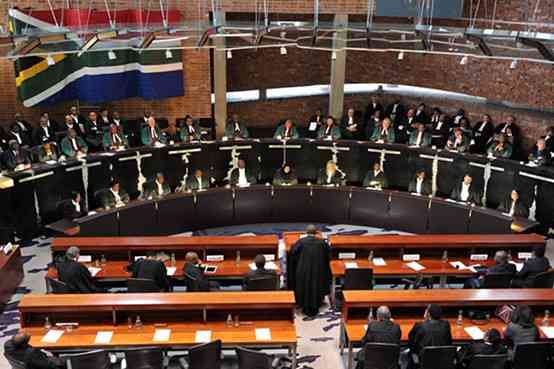
Inside South Africa’s Constitutional Court, where Paul Diamond and the Frankel Eight secured a historic victory, changing the future of justice for sexual assault survivors.
For Paul Diamond and the other members of the Frankel Eight, this wasn’t just a win—it was a collective victory for all survivors who had been denied justice by an outdated law. The decision was celebrated as a monumental shift in how South Africa views sexual violence and the survivors who live with its impact.
But it was more than just legal reform. It was a statement about how the justice system should work for survivors. The ruling reinforced the idea that justice is not a privilege, but a right—and one that should never be limited by time.
Aftermath: The Ripple Effect on South Africa’s Justice System
The aftermath of the Frankel Eight’s victory rippled through South Africa’s legal system. By removing the statute of limitations for sexual assault cases, the Constitutional Court helped shift the entire culture surrounding sexual violence in the country. No longer could perpetrators hide behind a ticking clock to avoid prosecution. The ruling paved the way for more survivors to come forward, knowing that they too could have their day in court—no matter when their assault happened.
This decision also highlighted the need for broader reform. The Frankel Eight case exposed significant flaws in how sexual assault cases were handled in South Africa. From long delays in trials to inadequate support for survivors, the legal system had failed to adequately address the realities of sexual violence. The case didn’t just change the law—it forced a reckoning with the country’s approach to justice for sexual assault survivors.
The Hero Survivor Paul Diamond: Zimbabwe to Johannesburg
Paul Diamond’s role in the Frankel Eight case has cemented his place in history. But his legacy is about more than just being part of a landmark legal ruling. His willingness to speak out and challenge the law has made him a symbol of resilience for sexual assault survivors, particularly men. In a world where male survivors often feel silenced or marginalized, Diamond’s voice was a powerful reminder that sexual violence affects people of all genders and that everyone deserves justice.
Beyond the case, Diamond’s story continues to inspire others to step forward and share their experiences. He proved that it’s possible to turn victimhood into victory, and that the fight for justice is one worth having—no matter how long it takes.
Today, Paul Diamond is not just a survivor. He’s a symbol of how ordinary people, united by a common cause, can bring about extraordinary change. His role in the Frankel Eight case redefined what justice means for survivors everywhere, setting a powerful example of what can happen when victims become activists and push for legal reform.