ANITA Mzembi (not real name), a Bachelor of Science student currently on attachment, is in her third year at Africa University (AU). MAKOMBORERO MUZENDA
Home to one of the most diverse student bodies in Zimbabwe, AU has students from 28 African countries.
“It’s really cool living with fellow Africans. I’ve realised that all Africans are essentially the same,” she says.
A small campus means that it’s easy to meet people and make friends, with a social scene that tries to cater to everyone.
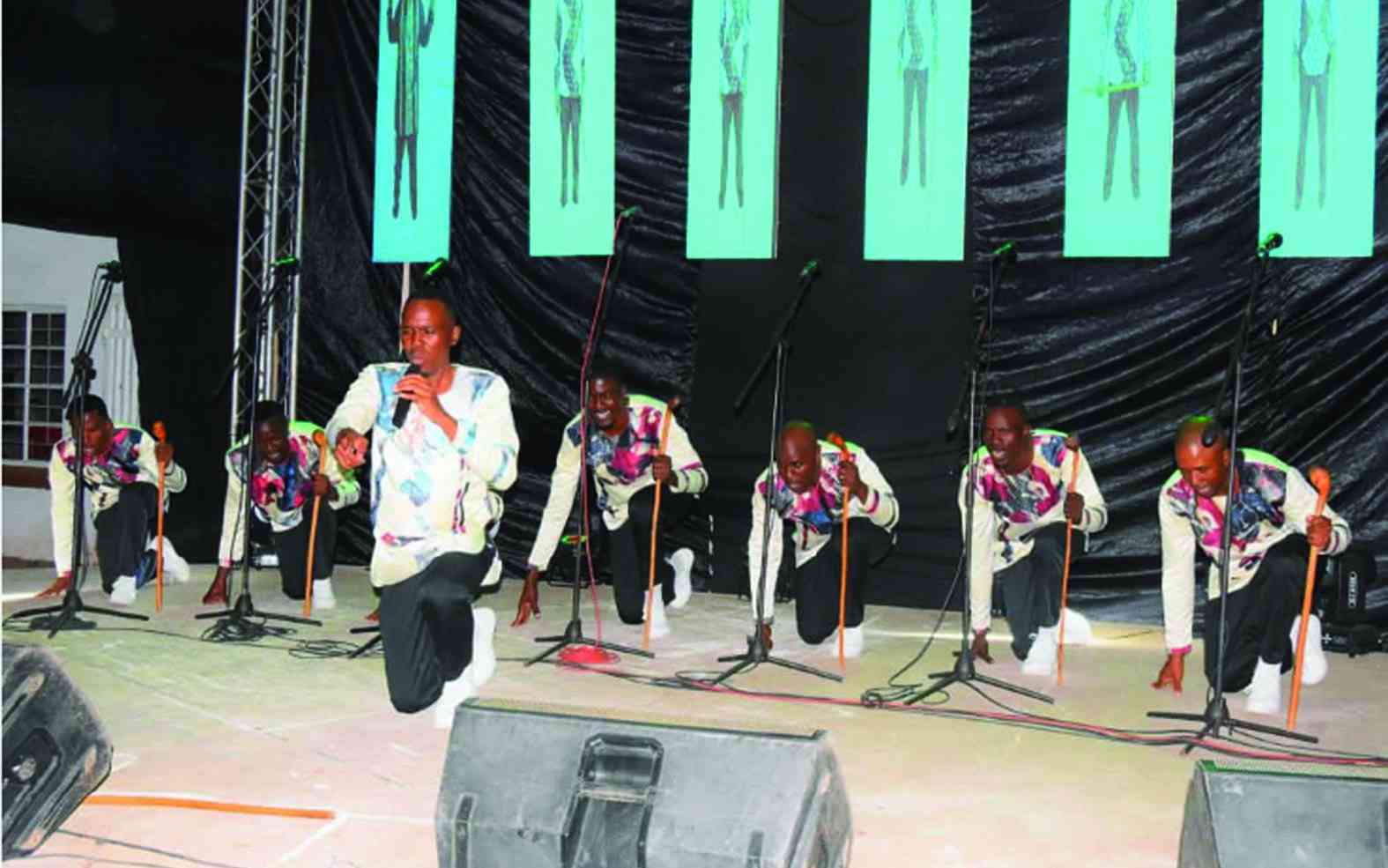
“It’s okay depending on your preferences,” Mzembi says. “I wouldn’t mind having more concerts and activities along those lines.”
AU has a strong sense of Pan-Africanism, and a close-knit student population. However, not everything about the university is perfect.
Computer Science students like Mzembi don’t have access to the specific software packages they need. This means that there’s a gap in their learning.
“Students often need to make a plan for themselves or study theoretically. It’s a big problem, because we go into the corporate world without sufficient preparation,” she says.
- Chamisa under fire over US$120K donation
- Mavhunga puts DeMbare into Chibuku quarterfinals
- Pension funds bet on Cabora Bassa oilfields
- Councils defy govt fire tender directive
Keep Reading
Mzembi’s frustration echoes the sentiments of many Zimbabweans in universities and colleges.
In a market where employment is scarce, having an advantage over fellow competitors is the difference between landing a job and joining the ranks of the unemployed.
In addition to academic challenges, Mzembi faces another problem: residence. AU’s 12 residences can accommodate up to 1 005 students, and she’s been lucky enough to get residence every semester.
However, in her opinion, the rooms are sub-standard. Mzembi describes them as “board rooms”: storage rooms that were converted into accommodation, to meet increasing demand.
“Honestly, there is a thin line between those board rooms and your typical squatter settlement.” Off-campus accommodation is available, with the Office of the Warden even offering advice on which accommodation to choose.
However, AU’s location presents another bump in the road. Mutare is the place to go for off-campus accommodation, but it is located 20km away.
Mzembi loves her university, but feels like administration could do more for students. One of Zimbabwe’s more pricey universities (AU’s website pegs fees at $5 600 a year), she thinks that paying so much money should equal top-notch quality.
Over in the capital city, Brenton Shoko’s experience is different. He’s studying for a diploma in International Communication, Diplomacy and NGO studies, finishing his course at the end of July.
Enrolled at the Christian College of Southern Africa (CCOSA), Shoko has an urban lifestyle, as opposed to Mzembi. While AU is a campus, CCOSA is located in a single building.
“It (the college) has a high school, and has all these varieties of professional courses and diplomas and degrees,” Shoko says.
Founded in 1976, CCOSA is older than many training colleges. However, it’s part of a trend in Zimbabwe’s cities.
Colleges in urban areas are sprouting up, offering both diplomas and degrees (like CCOSA), or vocational education, such as beauty schools.
For Shoko, sharing the same building as a high school is annoying: “They make too much noise and it can be annoying. It’s just a matter of talking with them and you’re good to go.”
Working and studying at the same time, Shoko’s had to learn to find balance between his job and his books.
“Work and school are tough but achievable. It’s just a matter of adapting,” he says.
A busy schedule doesn’t leave much time for a social life. He says that living in Harare has made it easier, and his social activities are mainly for the weekend. All in all, Shoko had no major complaints about his life as a student. He’s happy with what he’s got.
Mzembi and Shoko are just two students from a sea of thousands, but their experiences reflect different aspects of student life in Zimbabwe.
Some face academic and social hurdles but others have no qualms about their experiences. Zimbabwe’s education system is less than perfect, but it’s through engaging with students about what they struggle with and what they value, that progress can be made in fixing the cracks.